


Lone Pine Koala Sanctuary Launches After-Dark Corporate Experience From Its Fig Tree Pocket Home

Lone Pine Koala Sanctuary at 708 Jesmond Road, Fig Tree Pocket has launched a new Twilight Koala Experience, an exclusive after-hours wildlife encounter designed specifically for corporate groups, incentive programs and private functions of up to 100 guests. While the evening offering focuses on this intimate scale, the sanctuary has also expanded its daytime capacity to accommodate significantly larger delegations within standard operating hours.


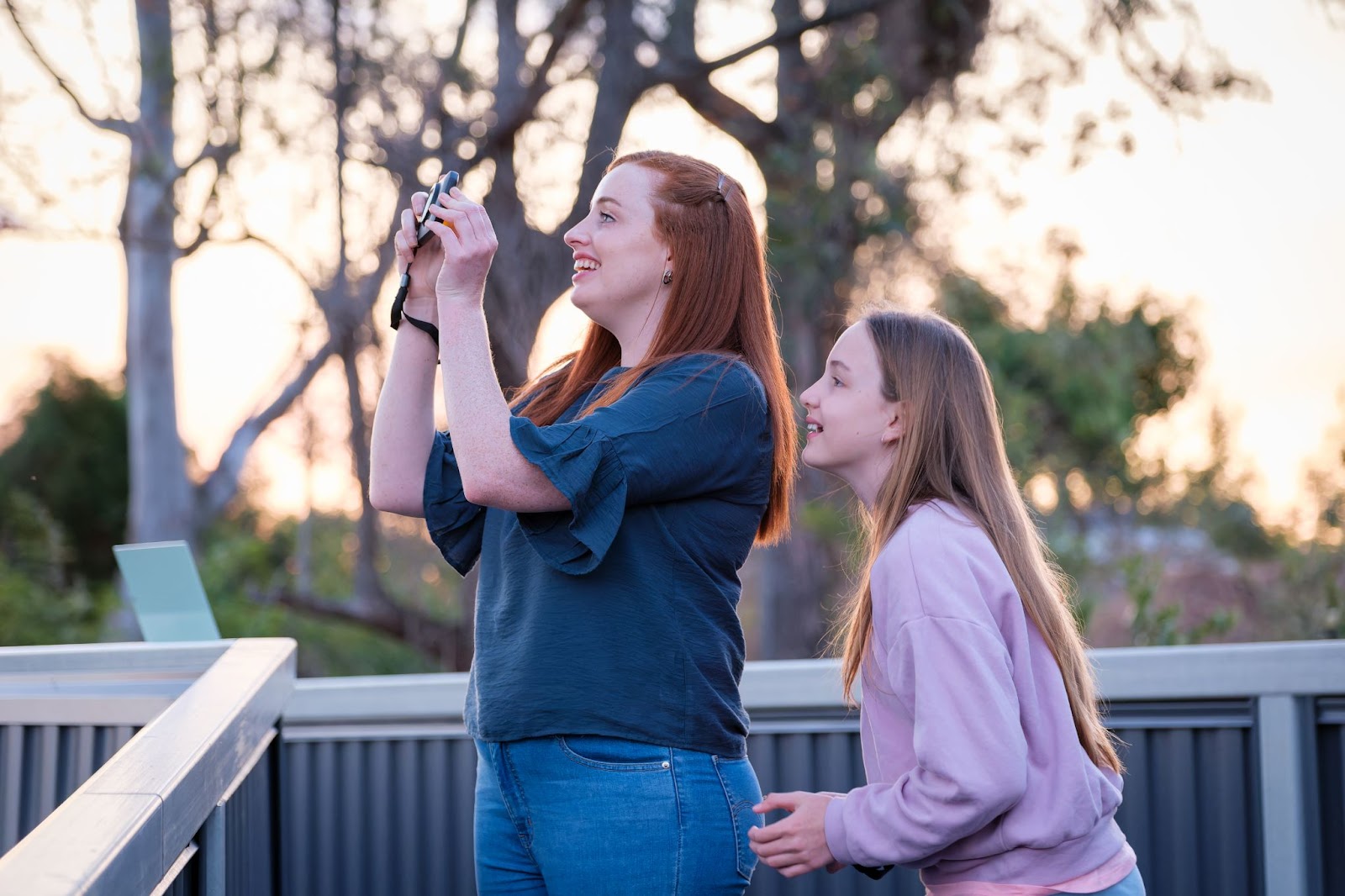
The new offering adds an evening dimension to one of Brisbane’s most iconic destinations, giving corporate visitors a guided koala encounter led by the sanctuary’s wildlife team after the regular day visitors have gone home. Groups can also include an after-dark wildlife tour of the sanctuary’s nocturnal precinct, drinks and dinner at the Riverside Café overlooking the Brisbane River, and the option of arriving by river cruise rather than road, a touch that taps into the sanctuary’s long history as a river destination that dates back nearly a century.

For Kenmore and Fig Tree Pocket residents, the development is a reminder of just how significant their local landmark is on the broader tourism and events map, and how it continues to evolve nearly a hundred years after it first opened.

A Heritage Site With a New Chapter

Lone Pine Koala Sanctuary opened in 1927 as a refuge for sick, injured and orphaned koalas at a time when the species was being killed for its fur, founded by conservationist Claude Reid with just two koalas named Jack and Jill. The sanctuary’s name comes from a solitary hoop pine planted by the Clarkson family on the original 4.6-hectare site, and the complex has grown through amalgamated land purchases to its current 18 hectares along the northern bank of the Brisbane River.
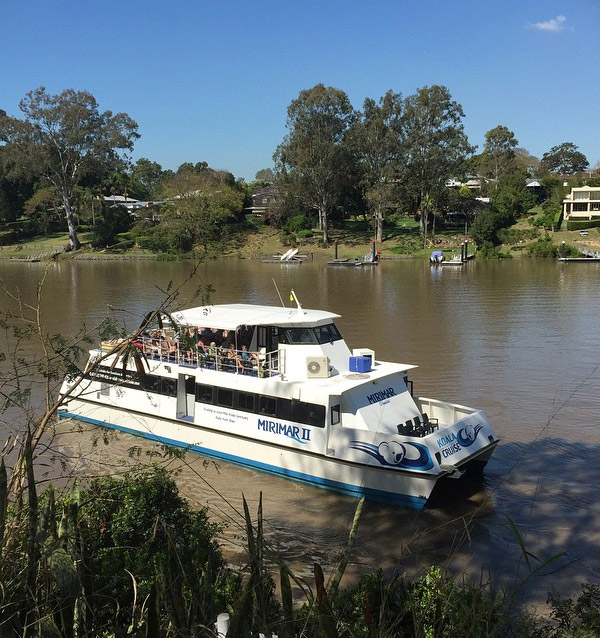
From its earliest days, the sanctuary was marketed as a river destination, promoted as “the most beautiful trip in Australia” at a time when Brisbane families were discovering the leisure possibilities of the motor car. That river connection has never been lost. The Mirimar river cruise has been ferrying passengers from South Bank to Lone Pine for more than 70 years, and the new corporate offering explicitly includes arrival by river as a premium option, connecting modern corporate guests to the same scenic journey that Brisbane families have taken across generations.

During the Second World War, Lone Pine gained international recognition when American servicemen stationed in Brisbane visited the sanctuary to see native Australian wildlife, including a famous visit from General Douglas MacArthur’s wife, Jean. Today it holds Guinness World Records recognition as the world’s first and largest koala sanctuary, housing over 100 koalas and more than 70 species of native Australian wildlife across its riverside bushland setting.

What the Twilight Koala Experience Offers Corporate Groups

The Twilight Koala Experience was developed in direct response to Brisbane’s growing corporate events sector and the increasing appetite for premium, after-hours experiences that feel uniquely Australian. The guided koala encounter is led by the sanctuary’s wildlife team, giving guests close contact with the animals alongside education about koala conservation and Lone Pine’s ongoing commitment to wildlife protection.

The corporate package is designed as a complete event solution, combining the wildlife encounter with dining at the Riverside Café, the option of a full after-dark tour of the nocturnal precinct where Tasmanian devils, wombats, echidnas and small macropods can be observed in their natural evening behaviours, and arrival by river cruise from South Bank’s Cultural Centre Wharf. The setting, just 12 kilometres from Brisbane’s CBD, makes Lone Pine accessible for conference delegates and incentive groups without the logistics of a long transfer.

Beyond the new twilight offering, Lone Pine is also expanding its daytime corporate and incentive programmes, enabling the sanctuary to host significantly larger groups within standard operating hours. General manager Lyndon Discombe noted that corporate groups are no longer seeking standard event venues but meaningful experiences that create purpose and connection, and that the daytime expansion provides flexibility for conference organisers seeking scale and accessibility in a single venue.

Plan Your Visit

Lone Pine Koala Sanctuary is located at 708 Jesmond Road, Fig Tree Pocket, approximately 12 kilometres from Brisbane’s CBD. The sanctuary is open every day from 9am to 5pm for general visitors. The Mirimar river cruise departs from Cultural Centre Wharf at South Bank at 10am daily, arriving at Lone Pine approximately 75 minutes later, with the return journey departing at 1.30pm.

Corporate event enquiries and bookings can be made through their website. General admission tickets and wildlife encounter bookings are available here. The sanctuary can also be reached directly on (07) 3378 1366.


Published 26-February-2026.

Lone Pine Koala Sanctuary Honoured at 40th Queensland Tourism Awards

Lone Pine Koala Sanctuary has earned a Highly Commended award in the Major Tourist Attractions category at the 40th Queensland Tourism Awards. The accolade acknowledges the Fig Tree Pocket sanctuary’s ongoing importance in Brisbane’s tourism landscape.


Read: Lone Pine Koala Sanctuary: A Nocturnal Adventure


The 40th Queensland Tourism Awards

The 40th Queensland Tourism Awards drew more than 900 industry representatives to celebrate outstanding tourism businesses across the state. According to the Queensland Tourism Industry Council, the awards process includes mentoring, capability‑building and detailed assessments for all entrants. From those, Lone Pine was named Highly Commended in the Major Tourist Attractions category.

In the same category, GC Aqua Park (Gold Coast) won Gold, Currumbin Wildlife Sanctuary (Gold Coast) won Silver, and SkyPoint (Gold Coast) won Bronze. The Major Tourist Attractions category was sponsored by Queensland Airports Limited.

About the Lone Pine Koala Sanctuary

Lone Pine Koala Sanctuary is located on 18 hectares in the Brisbane suburb of Fig Tree Pocket. It was founded in 1927, making it the oldest and largest koala sanctuary of its type in the world, and it houses approximately 80 species of Australian wildlife.

Photo credit: Facebook/Lone Pine Koala Sanctuary

The sanctuary’s name comes from a large hoop pine that still stands at the ticket entrance. That tree was planted in 1867 by Daniel Clarkson, before the site became a wildlife sanctuary — at the time, it was a cotton farm. It is said that early visitors travelling by boat along the Brisbane River used the tree as a mooring point, which may be how the name “Lone Pine” was chosen.

Photo credit: Facebook/Lone Pine Koala Sanctuary

Lone Pine was opened by Claude Reid. Over the decades, it has grown into a centre for wildlife conservation and education. The sanctuary hosts a variety of native animals and maintains a focus on caring for sick, injured or orphaned wildlife.


Read: Look: Tommy Lee and Wife Brittany Furlan Visit Lone Pine Koala Sanctuary


Because of its age, size, and dedication to native species, Lone Pine is recognised both locally and more broadly as a significant wildlife attraction.

Published 20-November-2025

From Koala Refuge to Sustainability Pioneer: A Fig Tree Pocket Icon’s Enduring Legacy

Nearly a century after it was established to save koalas from the fur trade, the historic Lone Pine Koala Sanctuary in Fig Tree Pocket is now being honoured as a leader in modern environmentalism, earning a nomination for a top business award for its trailblazing sustainability practices.


An Honour for a New Generation

The world-renowned sanctuary is a finalist in the 2025 Brisbane Lord Mayor’s Business Awards, a program that highlights organisations building the foundations of the city as it looks toward welcoming the world in 2032. Lone Pine is specifically nominated for the Dentsu Environmental Sustainability in Business Award, placing it among the city’s most forward-thinking enterprises. This recognition celebrates the sanctuary’s evolution from a simple animal refuge into a global model for innovative environmental management.

A Foundation in Conservation

The sanctuary’s deep commitment to wildlife is not a recent development. The institution was originally founded by Claude Reid in 1927 during a grim period when koalas were being culled extensively for the fur trade. Beginning with just two koalas named Jack and Jill, Reid created a safe place for the species. 

The sanctuary’s name itself is a nod to local history, originating from a single, towering hoop pine planted in 1867. This tree acted as a landmark for visitors arriving by boat along the Brisbane River, mooring at the ‘lone pine’. This long history of conservation has provided the groundwork for the sanctuary’s modern mission.

Pioneering a Sustainable Future

Today, that mission has expanded to address modern environmental challenges with remarkable creativity. The team at Lone Pine has implemented a series of initiatives that set global standards for sustainability. They have developed a closed-loop system for harvesting eucalyptus, ensuring zero waste.

 The property has been made more resilient to drought through advanced water reuse systems, and old materials are regularly upcycled to build new infrastructure like fences and picnic tables. In a particularly creative partnership, the sanctuary provides its unused eucalyptus leaves to local Brisbane distiller BY.ARTISANS, which transforms them into a premium botanical gin, turning a waste product into a celebrated local creation.


A Mission to Inspire

These innovative practices are guided by a clear and enduring philosophy. The sanctuary’s leadership believes that to make people care about the environment, they must first experience it directly. This principle, that connection fosters conservation, is the driving force behind its interactive visitor experiences. 

Internally, the entire team operates by a set of core values summarised as CATER: Communication, Accountability, Teamwork, Education, and Respect. This framework ensures that every aspect of the sanctuary, from animal care to guest services, is aligned with its vision of inspiring communities to live in balance with the natural world, honouring a legacy that began almost 100 years ago.

Published Date 02-October-2025

Lone Pine Koala Sanctuary: A Nocturnal Adventure

Koalas, Australia’s iconic but increasingly scarce marsupials, are the stars of Lone Pine Koala Sanctuary’s new NOCTURNAL tours in Queensland. Bushfires have sadly diminished their numbers, making sightings rare. However, these tours offer a unique chance to see koalas in their natural habitat.


Equipped with night-vision goggles, visitors can wander through a eucalyptus plantation, where koalas roam freely. As these animals are mainly nocturnal, the chances of spotting them are higher during these tours.

The Lone Pine Koala Sanctuary, the new $1.4-million nocturnal precinct in Brisbane, opened in November 2023. This unique night-time adventure allows visitors to explore Australia’s nocturnal wildlife, including koalas, Tasmanian devils, wombats, and other species. 

The experience includes a one-kilometre walk through a Eucalypt plantation on an elevated boardwalk. Visitors use handheld thermal imaging devices to spot animals, with the tour focusing on non-invasive observation and education about sustaining ecosystems.

Located on the outskirts of Brisbane, Lone Pine is recognized as the world’s oldest and largest koala sanctuary. It’s also home to a variety of Australian wildlife, including tree kangaroos, various bird species, amphibians, and reptiles.

The sanctuary offers two distinct nocturnal tours. The Twilight Tour is a 90-minute journey suitable for children aged 3 and older, while the Nocturnal Night Tour caters to participants aged 13 and above. Both tours run several times a week.


Tickets for the tours vary, with the Twilight Tour priced at $53 for adults and $35.50 for children, and the Nocturnal Night Tour costing $79 for adults. These tours provide an immersive experience in discovering Australia’s nocturnal wildlife.

Published 18-Dec-2023

Look: Tommy Lee and Wife Brittany Furlan Visit Lone Pine Koala Sanctuary

Heavy metal drummer Tommy Lee and internet celebrity wife Brittany Furlan took time out from Motley Crue’s Australian tour to have some fun at the Lone Pine Koala Sanctuary in Fig Tree Pocket last week.


Read: Facial Recognition AI Helps Save the Koalas in Moggill & Lone Pine Koala Sanctuary


Furlan’s cheeky video posted on Instagram showed the couple giggling as they fed and posed with cuddly koalas and bounding kangaroos. “Best day evvvvva!” Furlan exclaimed in an Aussie accent.

Lee grinned as wallabies nibbled food from his hand. The couple clearly enjoyed their hilarious close encounters with Tasmanian devils, bush turkeys, and other wildlife.

After a day of delightful distractions down under with wombats, wallabies, and more at the sanctuary, it was back to bass drums and sold out shows for Tommy Lee at the Motley Crue and Def Leppard concert at Suncorp Stadium on November 8.

Their tour in Australia, which commenced in Brisbane, was set at the Giants Stadium Sydney on November 11, and will be at Melbourne’s Marvel Stadium on November 14.

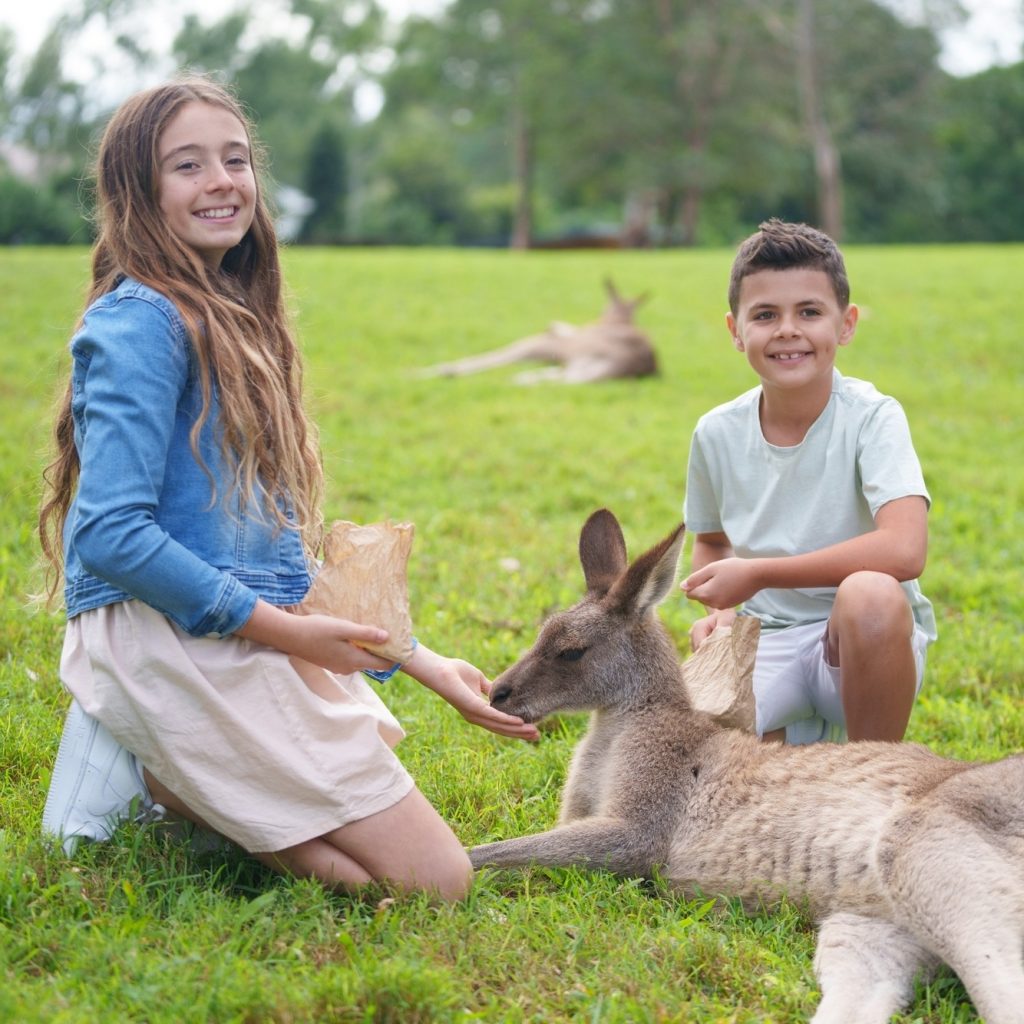
Like the celebrity couple, visitors can make memories hand-feeding kangaroos, cuddling koalas, and encountering other amazing Aussie wildlife at the Lone Pine Koala Sanctuary.

The Lone Pine Koala Sanctuary offers various tours like in the free-range Kangaroo Reserve, which involve getting exclusive photos and encounters with koalas, meeting dingoes, snakes and reptiles up close, and behind-the-scenes platypus house visit, but perhaps the most popular tour option involves morning tea with koalas, professional photos holding a koala, extra access to koala exhibits, a python encounter and photo, Tasmanian devil feeding, and lunch overlooking the Brisbane River.


Read: After Dark Adventures: Lone Pine Sanctuary Switches to Night Mode


The renowned Brisbane attraction has also recently launched night tours, where one can discover the sanctuary’s hidden wonders and witness the captivating world of Australian wildlife after the sun sets.

Published 13-November-2023

After Dark Adventures: Lone Pine Sanctuary Switches to Night Mode

Introducing Mr Grumbles, a Ruffus Betton – that’s a super cute little Australian marsupial. Remember his name because he’s about to become Australia’s newest star. NOCTURNAL, at the Lone Pine Sanctuary, shines new light on Australia’s most famous creatures.

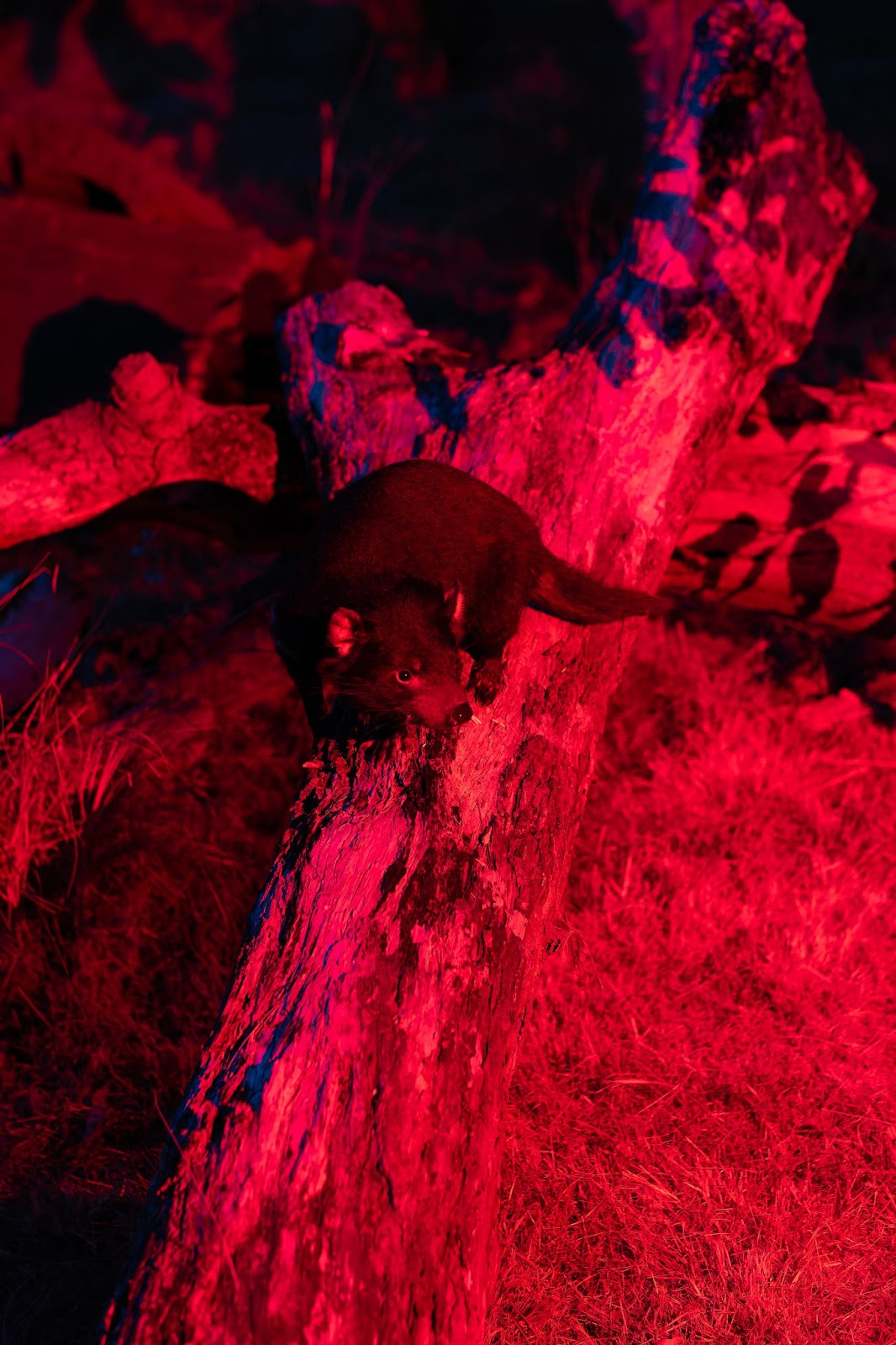
Joining him in the ‘red’ spotlight are four Tassie Devils called Yolo, Zaney, Harvey and Swarf; Bare-Nosed Wombats Bell and Bruce; Koalas Clementine, Patricia, Kandy and Keisha, a cool gang of Bandicoots, Pademelons, Echidnas and Potoroos and Rocky the elusive but spectacular Tree Kangaroo.

These are the stars of NOCTURNAL at Lone Pine Sanctuary in Brisbane, a new $1.4 million first-ever immersive night-time adventure that allows visitors to discover the hidden world of Australia’s fascinating nocturnal wildlife, and it opens from November 1.


Read: Facial Recognition AI Helps Save the Koalas in Moggill & Lone Pine Koala Sanctuary


A unique and unforgettable journey into Australia’s world famous animal kingdom, Nocturnal starts as the sun dips below the horizon, and the animals come out to play, allowing visitors to witness the incredible behaviours and adaptations of some of Australia’s most elusive and enigmatic wildlife species.

“There’s a whole world of activity that happens after dark that we aren’t privileged to, but Nocturnal gives people that experience, with a tour guide, in a non-invasive way to celebrate Australis’s animal superstars, and educate people about the importance of sustaining their ecosystems,” said Frank Mikula, Lone Pine Koala Sanctuary Curator.

“It’s an Australian native animal treasure hunt, with the prize being able to see these amazing creatures up close and personal!”

Nocturnal is a one kilometre walking adventure called The Wild Walk, through an established Eucalypt planation, mostly on a custom-designed elevated boardwalk which allows the animals full roaming rights across their habitats.

The sanctuary’s brand new multi-million-dollar Nocturnal Precinct features a one-kilometre boardwalk, allowing visitors exclusive after-dark access to seven exhibit spaces and 10 nocturnal Australian species.

Nocturnal Precinct
Photo credit: Queensland Government

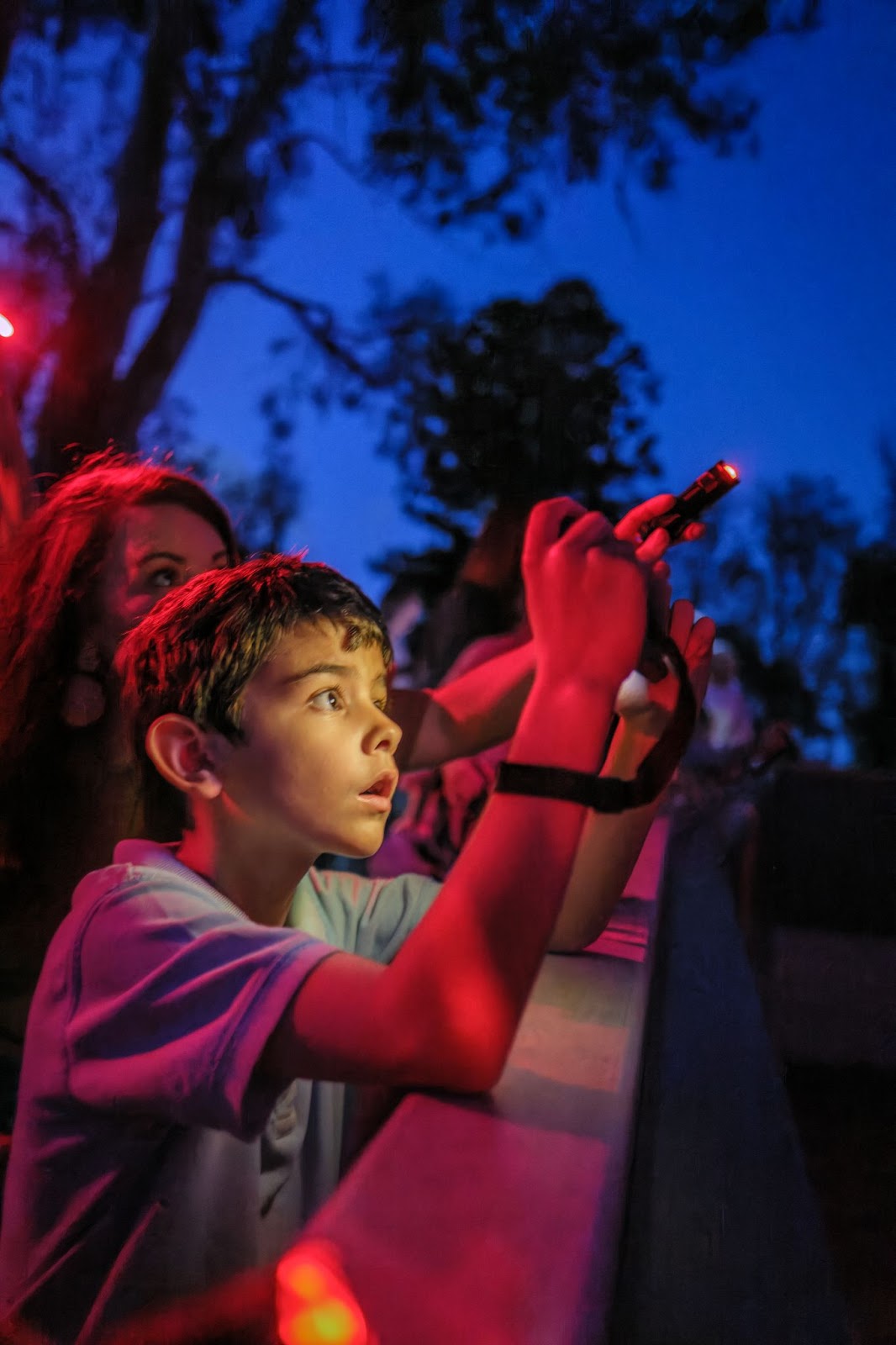
Visitors are given handheld thermal imaging devices, about the size of a mobile phone, that picks up the unique heat signature of animals. Once detected, a red light torch can be used to watch the animals doing what they do, with the red light completely non-invasive.

Nocturnal Precinct
Photo credit: Queensland Government

Starting 1 November 2023, your family can go on these magical night tours, with expert guides who will lead you on an adventure to spot curious critters like pademelons, potoroos, bettongs, and bandicoots in their natural habitats. 

Hosted in tours of 20 people with a dedicated guide who shares details of each animal species, their personalities, and provides feeding opportunities, Nocturnal is set to be a MUST EXPERIENCE for Australians and for international visitors, many who already have the 97-year old and iconic Lone Pine Sanctuary on their travel bucket list.

Photo credit: Queensland Government

The project was made possible through the Queensland Government’s 2020 Growing Tourism Infrastructure Fund, which invested $1.2 million for the development of the new nocturnal precinct.

Lone Pine General Manager Lyndon Discombe expressed his sincerest thanks and gratitude to the Queensland Government for supporting the sanctuary’s vision to develop a transformative and refreshing new tourism experience for the Brisbane region.

“Australia has some of the world’s most unique wildlife and being able to discover their natural behaviours after dark will be an experience like no other – it’s a secret world some of our staff haven’t even seen!”

Tourism Minister Stirling Hinchliffe said the Lone Pine Koala Sanctuary’s Nocturnal Precinct is an awe-inspiring opportunity for international visitors to shine a light on the secret nightlife of Australia’s iconic marsupials


Read: Lone Pine Koala Sanctuary Loses An Advocate But Support Remains Strong


This exciting new exhibit is predicted to draw over 500,000 visitors annually and generates additional funding to support Lone Pine’s world-class conservation efforts. 

So don’t miss your chance to go wild under the moonlight and discover Brisbane’s captivating nocturnal wildlife. Visit the Lone Pine Koala Sanctuary website to book your spot from the 1st of November for these one-of-a-kind after-dark tours.

Published 25-October-2023

Facial Recognition AI Helps Save the Koalas in Moggill & Lone Pine Koala Sanctuary

Did you know that the Moggill Koala Rehabilitation Centre and the Lone Pine Sanctuary in Fig Tree Pocket are harnessing the power of Artificial Intelligence (AI) by using facial recognition technology to help save the koalas?


Efforts to bolster the survival of koalas are now complemented by the innovative work of a team of Griffith University AI researchers and ecologists, who have secured funding to advance their ‘facial recognition’ camera technology at koala crossing locations across South East Queensland (SEQ).

For the third consecutive year, these researchers are working to deploy state-of-the-art “facial recognition” camera technology at strategic koala crossing locations across SEQ.

This groundbreaking initiative aims to monitor and understand how koalas utilise these crossing points, ultimately providing invaluable research-based insights to help safeguard this declining population. 

Lone Pine Koala Sanctuary

Leading this pioneering study is Professor Jun Zhou from Griffith’s School of Information and Communication Technology. The project’s inception was made possible by a $90,000 Community Sustainability Action Grant awarded by the Queensland Government’s Department of Environment and Science in March 2021, followed by an additional $100,000 grant from DES in June 2023.

“This project extends our innovative AI-powered koala monitoring system to cover wider areas of koala habitat in South East Queensland, and engage with 14 local community groups across 10 local government areas to facilitate the installation and maintenance of the camera network,” Professor Zhou shared.

In July 2021, the team successfully deployed 24 AI-powered cameras at strategic koala crossing locations within the Redland City Council area. These cameras automatically activate in response to koala movement, capturing hundreds of videos and images which are then transmitted to a server at Griffith University. 

The AI technology developed by the research team studies these videos and images, enabling it to identify individual koalas.

Mogill Rehabilitation Centre
Photo Credit: Google Maps

Caroline Moss, Queensland Rail Group Senior Manager Environment & Sustainability, emphasized the significance of this research.

“A research project like this helps us to understand how this technology can be applied, not only here in the Redlands, but where appropriate in other locations, given that Queensland Rail operates a really large network,” she said.

To ensure the AI can accurately distinguish one koala from another based on their appearance and movements, the research team collaborated closely with conservation groups such as the Koala Action Group Redlands, Daisy Hill Koala Centre, Moggill Koala Rehabilitation Centre, and Currumbin Wildlife Sanctuary.

“We can see from the data that koalas are in trouble here. They’ve recently been listed as endangered in Australia, and Southeast Queensland was formally a hotspot. The driver of that decline has been urbanisation,” Dr. Douglas Kerlin, a co-researcher, said.

The research project is particularly relevant during the breeding season when koalas face increased risks, including collisions with vehicles. 

“We’re all about sharing information, and it’s really good to be able to put people in contact and create that conduit between researchers so that everyone can get to the same goal faster,” Frank Mikula from Lone Pine Koala Sanctuary near Kenmore, highlighted the importance of collaboration. 


“The technology does the heavy lifting for us, and that’s really important moving forward. 

“With increased knowledge about how koalas are crossing roads, we can better inform mitigation and management so that we can ensure a better long-term future for koalas.” 

Published 2-Oct-2023

Lone Pine Koala Sanctuary Loses An Advocate But Support Remains Strong

Two koalas took centre stage for a few, brief minutes with Queen Elizabeth II during her visit to Brisbane in 2011. The moment highlighted the monarch’s support for nature conservation and shone a lasting light on the Lone Pine Koala Sanctuary’s conservation efforts for these tree-climbing marsupials that have become synonymous with Australia. 


A Great Loss

Queen Elizabeth II, Britain’s longest-serving monarch, died peacefully on the 8th of September 2022 at Balmoral Castle. 

A great advocate of conservation efforts for nature and the environment, the Queen died one day after National Threatened Species Day, traditionally celebrated on the 7th of September, the day the Tasmanian tiger (aka thylacine) was pronounced extinct. ⁠

Like the Tasmanian tiger, the Queen was noble and courageous, protective, and devoted to everyone in her circle and beyond.

Efforts Not For Nought

Support for the Lone Pine Koala Sanctuary remains strong as the sanctuary continues the work that the now-deceased monarch had greatly admired.

Located about 12 km away from Brisbane City, it is the world’s first and largest koala sanctuary with 100 koalas. 

In 2021, a $1.4-million expansion project commenced. It is expected to be completed in 2022, weather permitting. 

Lone Pine Sanctuary
Photo Credit: Lone Pine Koala Sanctuary

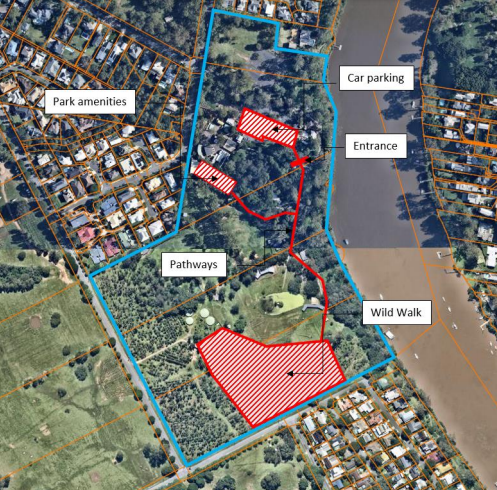
The upgrades cover 15,000-sqm of space and include a Wild Walk exhibit that involves new animal enclosures through a new wildlife zone and is contained within the existing established eucalyptus plantation.


“Since opening in 1927, Lone Pine Koala Sanctuary has been a favourite with domestic and international visitors, as well as generations of Southeast Queensland families,” Tourism Minister Stirling Hinchliffe said, during the groundbreaking of the project in August 2021.

“This project will not only allow us to provide local, interstate and international guests with new and engaging wildlife experiences, but also help us secure ongoing employment opportunities for both new and existing staff, and significantly contribute to Brisbane’s recovering tourism industry,” he said.

“We’ve invested $1.2 million in Lone Pine Koala Sanctuary through our Growing Tourism Infrastructure Fund to help deliver new tourism experiences and up to 25 construction and ongoing jobs,” he added.

Aside from the world-famous koalas, the sanctuary also has tree kangaroos, wombats, echidnas, Tasmanian devils, bettongs, quokkas, and potoroos. 

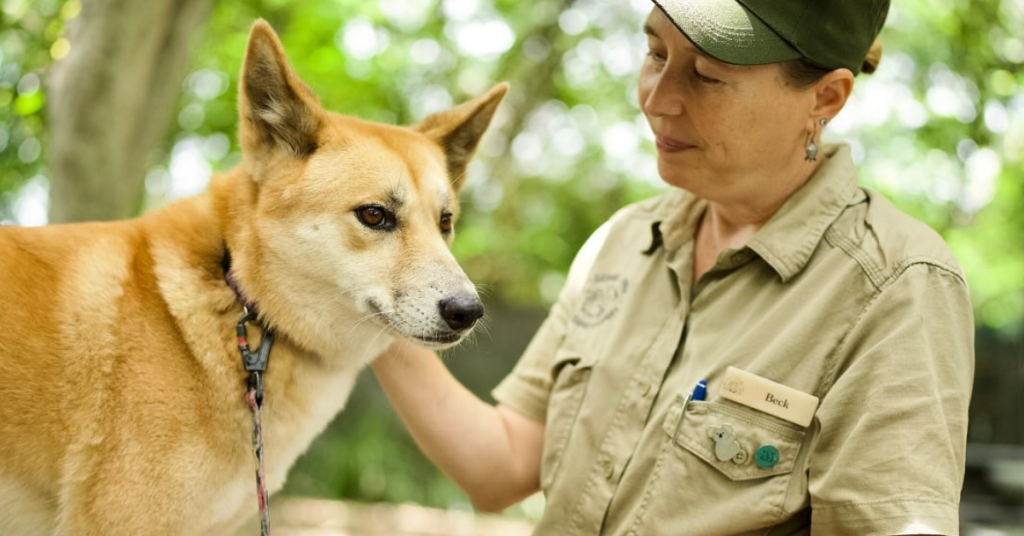
(from L to R) Tamielle Brunt (Wildlife Qld), LM Adrian Schrinner & Keeper Beck (Lone Pine)
Photo Credit: Facebook/Lone Pine Koala Sanctuary

In 6 September, Wildlife Queensland’s PlatypusWatch Network annual eDNA monitoring project was launched during a visit to the sanctuary by Cr Adrian Schrinner. The platypus population at Brisbane’s waterways has been identified through critical research and Moggill Creek has emerged as Brisbane’s top hotspot. Platypus populations have also been identified in Albany Creek, Bullockhead Creek, Sandy Creek, Kholo Creek, Pullen Pullen Creek, and Shelley Creek.

The Queen would have been so proud.

New Furry Friends, Better Attractions Coming To Lone Pine Koala Sanctuary

Lone Pine Koala Sanctuary, the world’s first and largest koala sanctuary located in Fig Tree Pocket, is undergoing a $1.4 million expansion which will include new attractions to offer fresh experiences to visitors.


Read: Historic Sugars Cottage In Anstead To Be Moved To Sunshine Coast


The upgrades, which would cover 15,000-sqm of space, include a Wild Walk exhibit that involves new animal enclosures through a new wildlife zone and is contained within the existing established eucalyptus plantation. 

The Wild Walk Exhibit Space will feature new exhibits for echidnas and koalas and breeding space for wombats and Tasmanian devils. 

“And for the first time, night tours will fit-out visitors with thermal imaging scanners to show nocturnal animals in their habitat without the intrusion of flashlights,” said Tourism Minister Stirling Hinchliffe, who led the groundbreaking ceremony in August 2021.

Mr Hinchliffe said Lone Pine has a load of quokkas going through biosecurity clearances to join the family, which already includes the world-famous koalas, tree kangaroos, wombats, echidnas, Tasmanian devils, bettongs and potoroos.

Site plan (Photo credit: Brisbane City Council)

“The thermal imaging scanners will automatically upload images for tourists to take home as a lasting reminder of their night-time visit,” the Minister added.

The upgrades are part of the government’s Queensland tourism Covid-19 Economic Recovery Plan, which aims to keep the economy moving even at the time of the pandemic.

“Since opening in 1927, Lone Pine Koala Sanctuary has been a favourite with domestic and international visitors, as well as generations of Southeast Queensland families,” Mr Hinchliffe said.

“This project will not only allow us to provide local, interstate and international guests with new and engaging wildlife experiences, but also help us secure ongoing employment opportunities for both new and existing staff, and significantly contribute to Brisbane’s recovering tourism industry,” he said.

“We’ve invested $1.2 million in Lone Pine Koala Sanctuary through our Growing Tourism Infrastructure Fund to help deliver new tourism experiences and up to 25 construction and ongoing jobs,” he added.

Lone Pine’s expansion is expected to be completed in mid-2022, weather permitting.

Lone Pine Koala Sanctuary to Become a Foodie Precinct

Plans are underway to make the Lone Pine Koala Sanctuary in Fig Tree Pocket into more than just an animal park. The popular koala sanctuary will be developed into a culinary hub and dining destination as well.


Yianni Passaris, who owns Ping Pong restaurant in Newstead and the Morning After cafe in West End, has been tapped as the food and beverage advisor. Mr Passaris will work with the sanctuary management in developing the park as a foodie precinct.

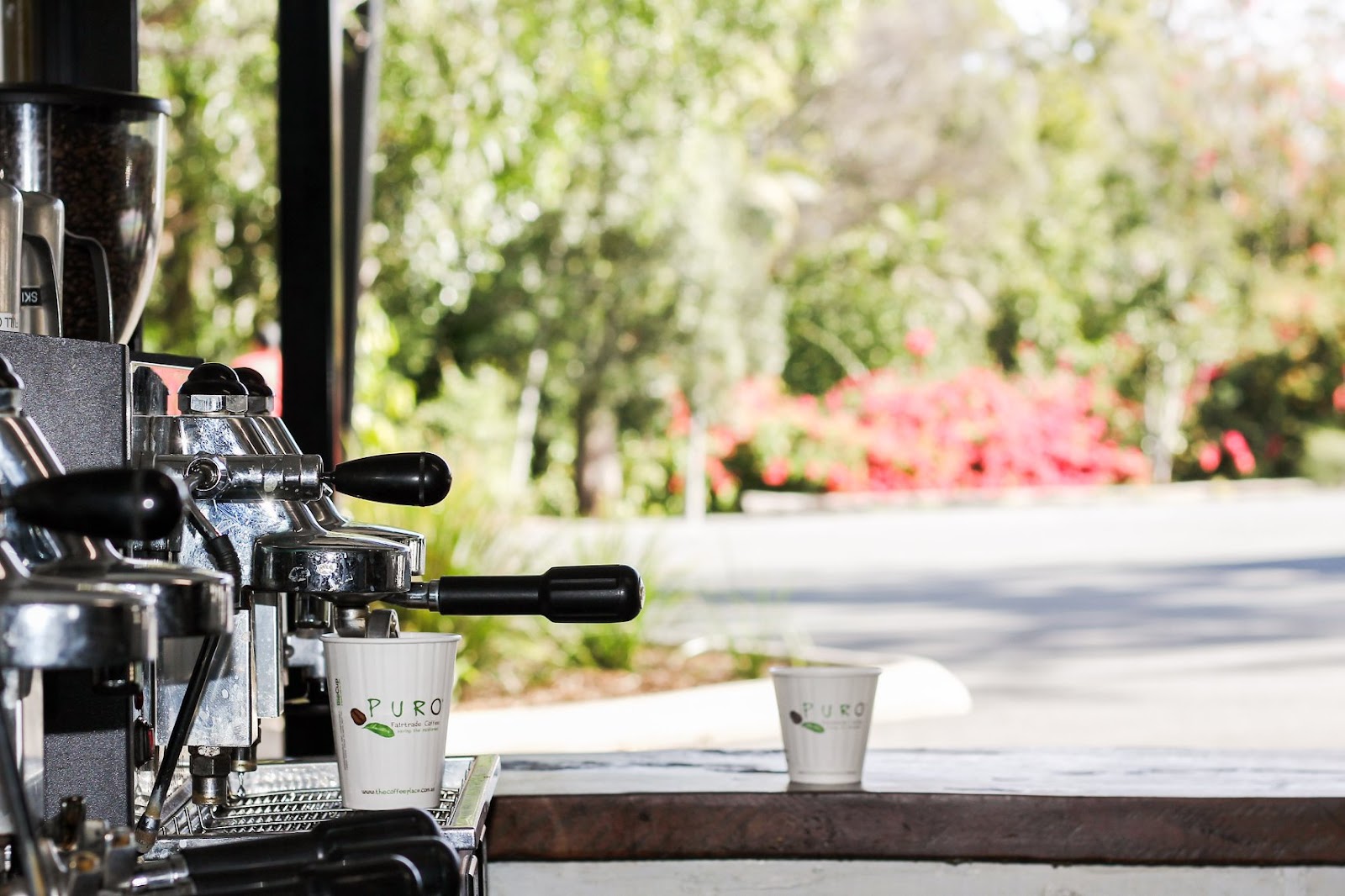
The initial plan is to transform the front cafe near the park entrance to make it more accessible to the general public. Diners won’t need to purchase a ticket to the sanctuary for this main eatery. 

Lone Pine Sanctuary cafe’s menu will also undergo a revamp, foregoing the frozen lasagnas and quiches selections in favor of tastier but affordable gourmet options.

Photo Credit: Facebook

The next plan is to build a restaurant and another cafe inside the park. Passaris said that since Fig Tree Pocket hardly has good cafes, so locals would likely be encouraged to visit the park to dine and enjoy the surrounding.


Alex Derlot from the Derlot Studio has been drawing up the redesign of the sanctuary and will choose the furnishing and decorations that will be incorporated in the restaurants. Mr Derlot will also create a space for the park’s new gift shop. 

Visitors to the park should notice that renovations to the front cafe is currently underway and will be completed by January 2021. It will boast of 120 seats and recycled or sustainable furniture from Mr Derlot’s LesBasic collection.

Photo Credit: Derlot Editions/Facebook