



A Century Strong at Historic Upper Brookfield Mango Farm

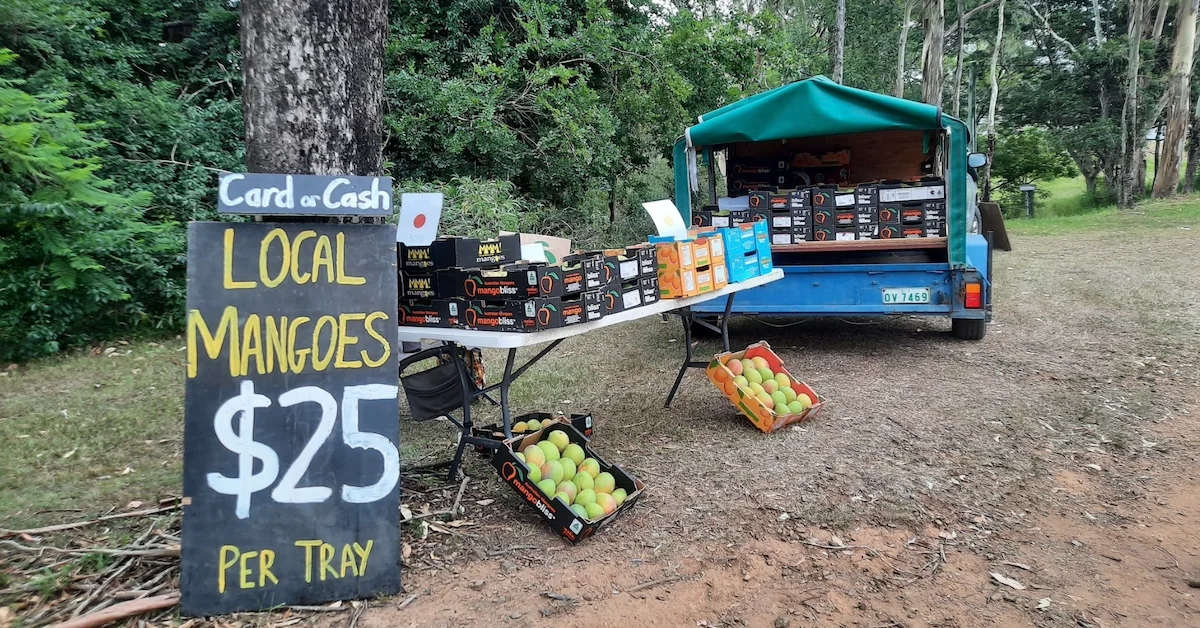
Roadside trays of fresh mangoes have become a familiar sight for drivers along Brookfield Road, but behind the seasonal fruit stall lies a story stretching back nearly a century. As one Upper Brookfield family prepares to celebrate 100 years on their land, they are reflecting on their legacy while navigating the modern challenges facing small local farms.


The Mohr Mountain Farm has been part of the Upper Brookfield landscape for generations. First established in the mid-1920s, the property has remained in family hands ever since, evolving alongside changes in farming, the local community and consumer demand. 

Now, as preparations begin for a centenary celebration with extended family members, the farm represents both a proud history and a hopeful future.
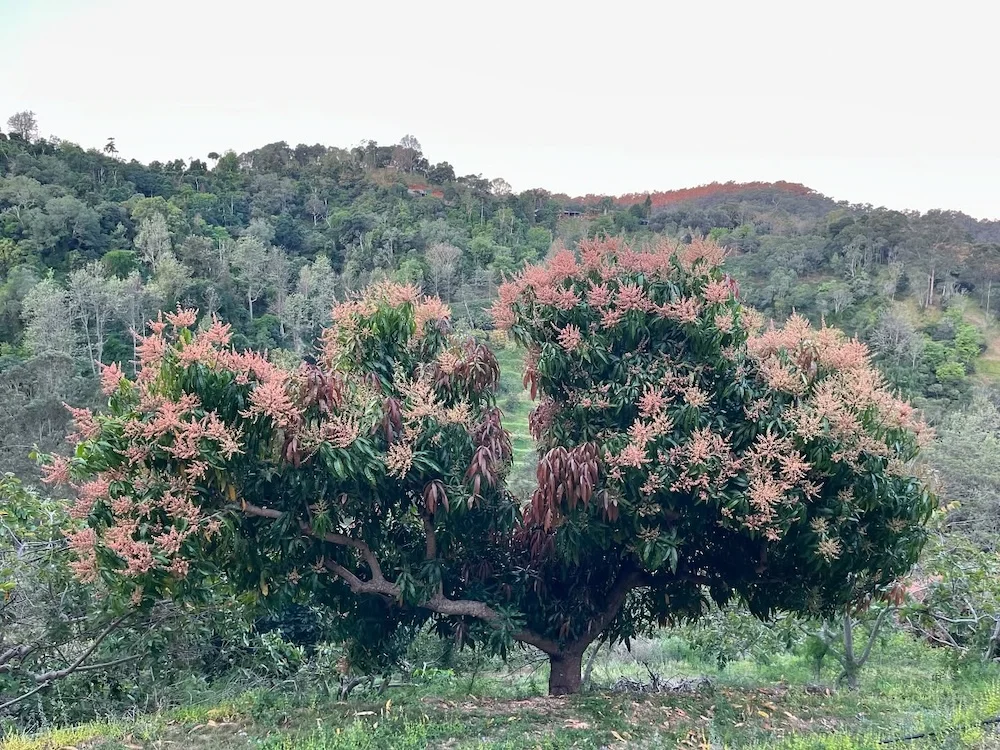
A mango tree in full bloom
Photo Credit: Mohr Mango Farm/Facebook

A legacy shaped by the land

Over the decades, the farm has adapted to changing conditions and markets. Earlier generations grew a range of produce, reflecting the farming trends and economic pressures of their time. Today, the focus has shifted to mangoes, custard apples and several varieties of avocados.
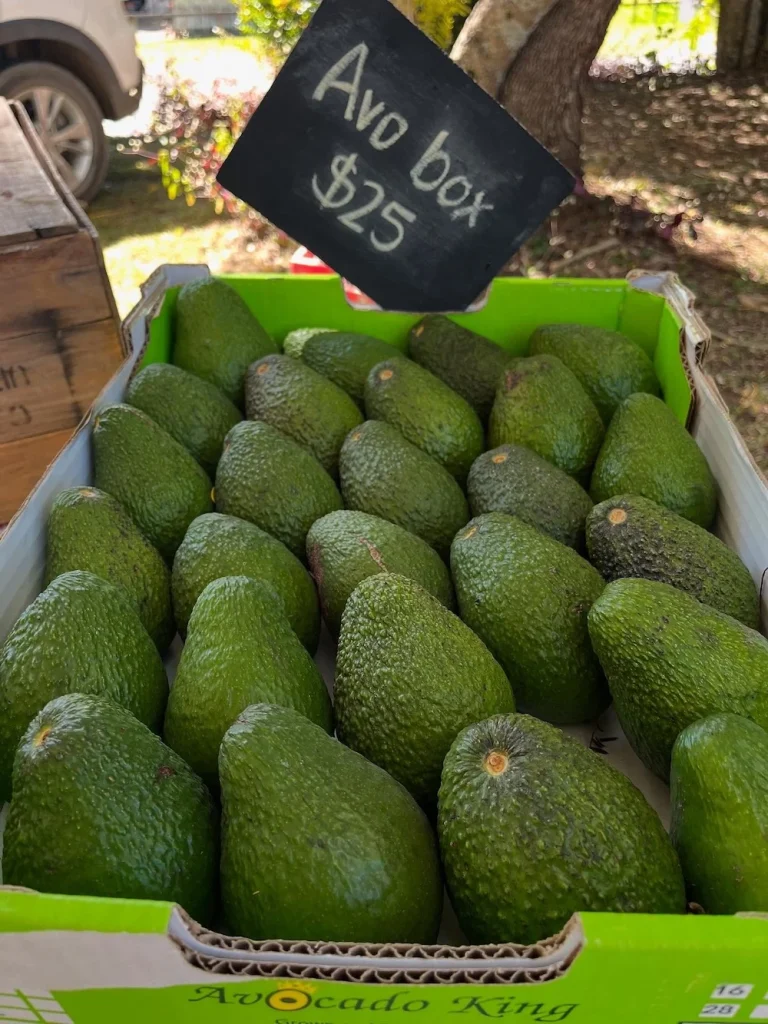
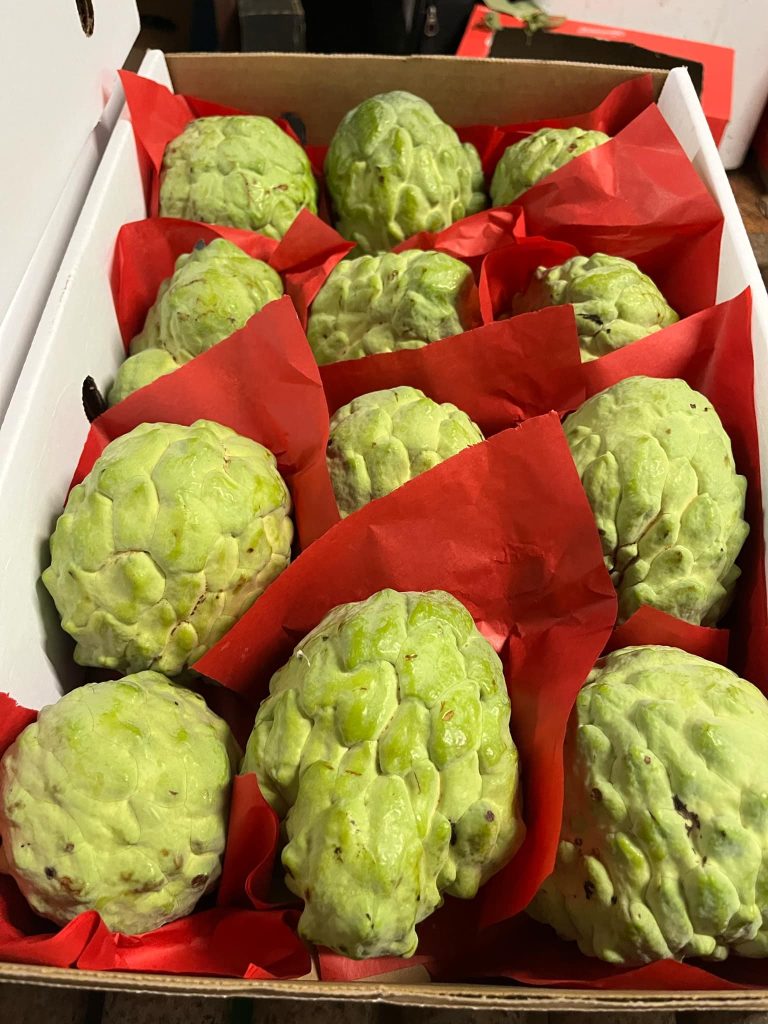
Photo Credit: Mohr Mango Farm/Facebook

The farm continues to operate as a family enterprise. While Jenny Mohr and her husband remain actively involved in daily operations, the next generation has assumed primary responsibility for running the business. 

Their son, alongside his wife, is leading the farm into its next chapter while balancing the realities of modern work and family life, with him operating a plumbing business and his wife working as a physiotherapist alongside managing the farm. Balancing farming with other careers is now a reality for many rural families. Together, they are raising three young children, adding another layer of complexity to maintaining the family enterprise.

“So now, it’s the fourth generation. Our son is running it with his wife. And my husband and I are helping,” Jenny told Brisbane Suburbs News Online. 

Despite stepping back from full-time management, Jenny and her husband remain deeply connected to the land, helping with harvesting, packing and farm operations. Their ongoing involvement reflects the strong generational ties that have defined the farm for nearly 100 years.

Adapting to modern farming

Like many small-scale farms, the Mohr family has diversified its customer reach. While wholesale markets remain important, direct sales have become a significant part of the business.

Mango trays are sold roadside during the season, offering locals fresh produce straight from the orchard. The farm also sells fruit through local country markets, including the Brookfield Country Market, which features locally grown produce and handmade goods from regional vendors. Social media has also become a valuable tool, allowing the family to communicate with customers about harvest times and availability.

Photo Credit: Mohr Mango Farm/Facebook

Modernisation is also occurring behind the scenes. Plans are underway to build a new packing shed to replace an ageing facility from the 1980s. The updated infrastructure aims to improve efficiency and ensure the farm can continue operating sustainably as the next generation takes over.

New challenges for long-standing farms

While the farm’s history reflects resilience and adaptability, new environmental and operational challenges continue to emerge.

One recent issue has been the discovery of fire ant nests on the property. The invasive species, which has spread across parts of South East Queensland, has added pressure on landholders managing large rural properties.

According to the family, fire ants were first identified on their land in 2024, particularly in bushland areas at the rear of the property. 

“We had fire ant nests… and there were nearly 200.”

The treatment process involved multiple visits from authorities and ongoing monitoring over an extended period. While the family welcomed efforts to control the infestation, they described the process as lengthy and sometimes inconsistent, with different teams attending the property over time. 

“There were big gaps between when they came and every time they came out, it would be someone different.”

As the conversation turned to fire ants and treatment programs, a neighbour offered a printed handout arguing that insect populations are under pressure and urging caution about pesticide use. While the sheet was a general commentary rather than a farm-specific report, it captured a sentiment heard across the district: that managing invasive pests is becoming entangled with wider community anxiety about chemicals, ecosystems, and water quality.

The issue highlights how invasive species and biosecurity threats are becoming a growing concern for farmers across the region. For long-established family farms, managing these risks adds to the already demanding nature of agricultural work.

Community connections remain strong

Despite the challenges, the Mohr family continues to enjoy strong ties with the Upper Brookfield community. Roadside mango sales often bring returning customers each season, many of whom have supported the farm for years.

Local markets also provide an opportunity to connect with residents and visitors seeking fresh, locally grown produce. These interactions reinforce the importance of maintaining small farms within the region.

The farm’s produce has even been used by local craft producers, further strengthening its connection to the local economy and food culture.
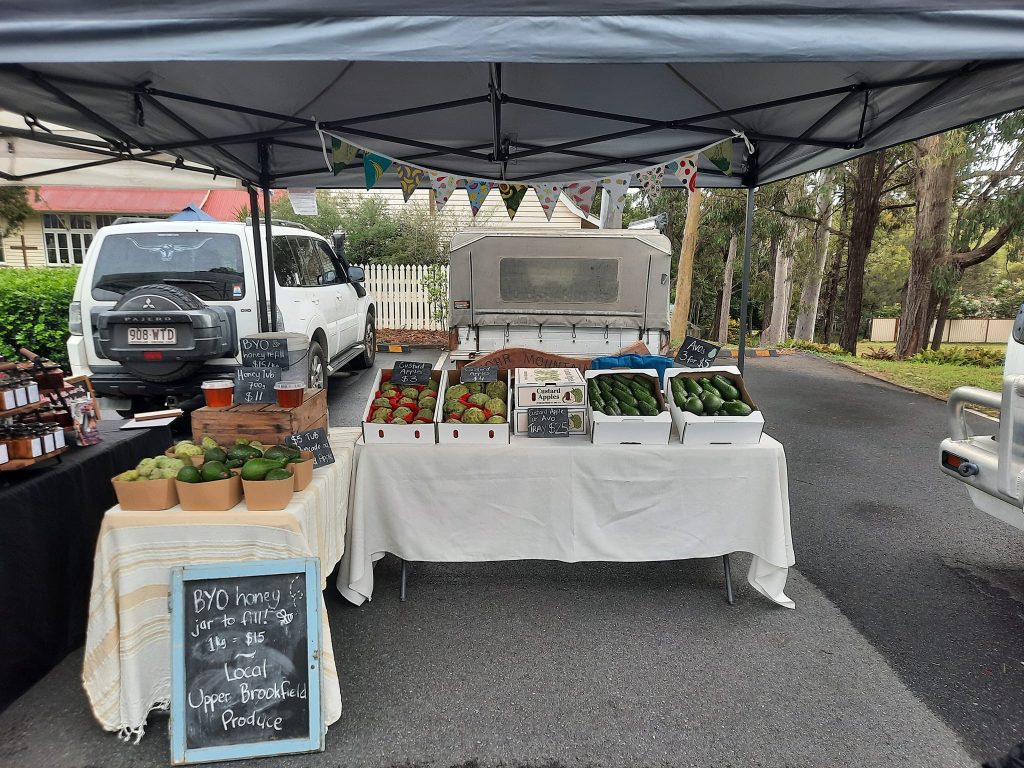
Photo Credit: Mohr Mango Farm/Facebook

Thriving into the next century

The next generation’s involvement, combined with planned infrastructure improvements, signals a determination to keep the farm operating despite the challenges facing small agricultural businesses.

For the Mohr family, the land represents more than a workplace. It is a place shaped by family history, community relationships, and a deep connection to the natural environment. They hope their story reflects not only endurance, but also the evolving role of local farms in a rapidly changing world.


Published 4-Feb-2026

Controversy Surrounds Childcare Centre Development on Brookfield Road

A proposed development for a childcare centre in Kenmore has become a bone of contention and debates among residents, environmentalists, and city planners.


The development application (A004808456) for a two-storey childcare facility, designed by Alto Architects, received approval from Brisbane City Council in 2019. A few more applications involving minor changes were filed that were also approved.

A subsequent development application (A006367166), filed in September 2023, seeks a minor change to add an outdoor play area with a bridge and acoustic fencing. This change is argued to be minor and compliant with relevant planning schemes and acts. 

The centre for 120 kids, planned within a rural zone, proposes the removal of three existing dwellings to make way for the development. With operational hours between 6:30 a.m. to 6:30 p.m. from Monday to Friday, the centre aims to cater to the growing needs of the Kenmore community.

Brookfield Road
Photo Credit: DA A006367166

Residents of Jessamine Court, a cul-de-sac near the childcare centre, also raised issues against the subdivision of the nearby property and the potential introduction of a new access point to their street. They fear that this could disrupt the quiet, safe nature of the cul-de-sac, impacting the community and local environment, including increasing traffic and affecting the safety of children playing in the area.

Brookfield Road
Photo Credit: DA A006367166

The opposition also mentions the potential environmental impact, including the removal of trees and effects on local wildlife and koala habitat.

Planners have assured that the proposed childcare centre’s footprint will not encroach on the mapped biodiversity area at the rear of the site, thus preserving environmental values.

Prior to the release of koala habitat maps in February 2020, development approvals were granted without referral to SARA. These approvals predate the regulatory maps and don’t interfere with koala habitat.


As of press time, the current DA is still under assessment with Council. 

Published 24-Nov-2023

Speed Limit on Brookfield Road Reduced

The Council will finally cut the speed limit on Brookfield Road to 50km/h, nine years after the community petitioned for its reduction. The new speed limit, down from 60kmh, will take effect by the year-end as pavement markings and other signs and safety measures have yet to be set in place.

Pullenvale Councillor Kate Richards confirmed the speed limit reduction on Brookfield Road in a press statement. It comes after a hearing with the community, which also involved parents of the students attending the Brookfield State School.


Apart from enforcing the new 50km/h speed limit, the Council plans to install the following features along Brookfield Road and the stretch of Boscombe Road, where the school is located:

  • Speed Awareness Monitors (SAM), before school term one in 2020
  • Two flashing Horse Crossing Ahead signs, projected for early 2020
  • Pedestrian crossing near bus stops and between Brookfield and Boscombe Roads, subject to consultations and availability of funds

Unfortunately, Cr Richards said that Brookfield State School “did not the criteria for a school zone,” which commonly has a 40km/h speed limit. 

Photo Credit: chuttersnap/Unsplash

Brookfield Road is a downhill slope, which makes it easier for motorists to speed. During the summer season, the cast of the western sun makes the road stretch quite difficult to see. Council is making these changes in the interest of public safety. 

“We are committed to actions that improve safety for all road users and will continue to deliver projects to make Brisbane an even better place to live,” said Cr Richards. 


New Kenmore Development Application Courts Controversy

A seven-storey development, including a cinema, has been proposed for 22-24 Brookfield Road in Kenmore.  

A recent development application has put the cat amongst the pigeons by proposing a mixed-use development on a site bounded by Brookfield Road, Princeton Street and Bingham Street in Kenmore, just across the road from Kenmore Village Shopping Centre.

Location of the proposed multi-use development in Kenmore. (Photo credit: pdonline.brisbane.qld.gov.au)


A five-screen boutique cinema is part of the proposal as well as 150 car parking spaces, 35 serviced apartments, offices and retail in over seven storeys. Restaurant, café and wine bar tenancies are envisioned to occupy the ground floor fronting Brookfield Road.

View from Brookfield Road (Photo credit: pdonline.brisbane.qld.gov.au)

Centre view from Bingham Street (Photo credit: pdonline.brisbane.qld.gov.au)

Centre activities could include serviced offices, strata-titled offices, educational facilities, which may be a private college, a dance studio or a yoga/Pilates studio. The centre may also be home to a medical facility and community facilities such as meeting rooms.

All in all, a gross floor area of 3,3044 square metres will be dedicated to centre activities.


Controversial Development

The DA submitted in March 2019 is already courting controversy for its size and potential traffic flow impact.

Brookfield Road Kenmore Development Application
Conceptual pedestrian and vehicular flow going to and coming from the proposed centre. (Photo credit: pdonline.brisbane.qld.gov.au)

“Brookfield Road has become one of the worst rush hour bottle necks in the Western Suburbs, which then feeds into Moggill Road at the Kenmore Village roundabout, causing huge morning tail-backs for commuters and school drop off,” says Ken Ryan, a local town planner.

“The scale of this proposal greatly exceeds its need and has not included an Economic Needs Analysis.

“To me it’s grossly overdeveloped because of the excessive height, the bulk of the building, and the potential for impact of the 150 additional car parking spaces. This is on congested Brookfield Road and the side streets in Princeton Street are often parked on either side, and it’s my view that it’ll be a major adverse effect on the efficiency of that local area.”

The town planner says that locals interested in the future developments in the area can lodge objections. He also thinks that the council should advise the developer to limit the scale of the project to two or three stories.

It should also be proven that there is an economic need for such a centre development.

Ken has published a podcast episode about this development application. Listen to the discussion here.

Learn more about the Development Application (A005160079).