


We’ve combed Anstead, Bellbowrie, and Moggill for the best reviewed restaurants in the area where people waxed lyrical about their dining experience and what they love most about it. Here’s our list!
1. Madras Curry House – Bellbowrie
About Madras Curry House – Bellbowrie
4.7 Google Rating
Shop 6/37 Birkin Rd, Bellbowrie QLD 4070

SAMPLE MENU
BOOK A TABLE
SOCIAL MEDIA
Google Reviews
asif iqbal
Closest to a real south Indian experience finally!!!!. The Spice level of “Indian hot” truly hit the spot. Perfect and delicious I intend to take left over for the next day. But just couldn’t resist completing my meal. Lol. Waitress was very courteous, knowledgeable and was only around when required. 2 big boys with happy tummies (Biryanis (beef and goat) with chicken 65). $65
James Snare
Great food! Really warm and friendly service. Very good atmosphere inside the restaurant (doesn’t feel like you’re in a shopping centre once your inside).
stefano casini
Food tates authentic, portions are the right and when it’s cold they put the heater on. However each wall has different wallpaper on each wall.
2. Bellbowrie Tavern
About Bellbowrie Tavern
4.2 Google Rating
5 Birkin Rd, Bellbowrie QLD 4070

SAMPLE MENU
BOOK A TABLE
SOCIAL MEDIA
Google Reviews
Heeju Han
A few months ago our visit wasn’t great, but when we came back last week, the food quality had improved a lot. The Caesar salad had been watery before, but I ordered it again (I can’t stand cucumber in regular salads), and the improvement was amazing. The steak is amazing for the price too.
N
Our extended family have met here for early Christmas lunches for many years. Most years are lovely, one was not. This year was wonderful. The staff were excellent. Our meals were actually timed to arrive at the same time, even though our orders were staggered. A first! The food was delicious, I didn’t hear any complaints from our party. Thank you!
Jacques
Awesome staff, great drinks and food. I have been living here my whole life and my wife and I have only been coming for the past 2 months, but it’s been great, and the renovations are so refreshing, I’d give 6 stars if I could!
3. The Reserve at Anstead
About The Reserve at Anstead
4.5 Google Rating
1/645 Hawkesbury Rd, Anstead QLD 4070

SAMPLE MENU
BOOK A TABLE
SOCIAL MEDIA
Google Reviews
Chantel Charchalis
Lovely outdoor seating in a beautiful garden, with a large play area for kids. Food was generous size and they made a vegan option by substituting halloumi for hash brown. Great coffee too.
John Vickers
We are Saturday luncheon regulars for the past two years. Their steak sandwiches and wraps are literally world class. Management and serving staff are unfailingly polite and hard working. Thank you so much for the many hours of great food, music and service.
Masa
We went to there at 2:45pm. They can say we close but they served us. Coffee was great and food was excellent. I’m big eater but I have to take some for hotel. I think if they open night they get more business.
I came here again they still serve beautiful food and great service
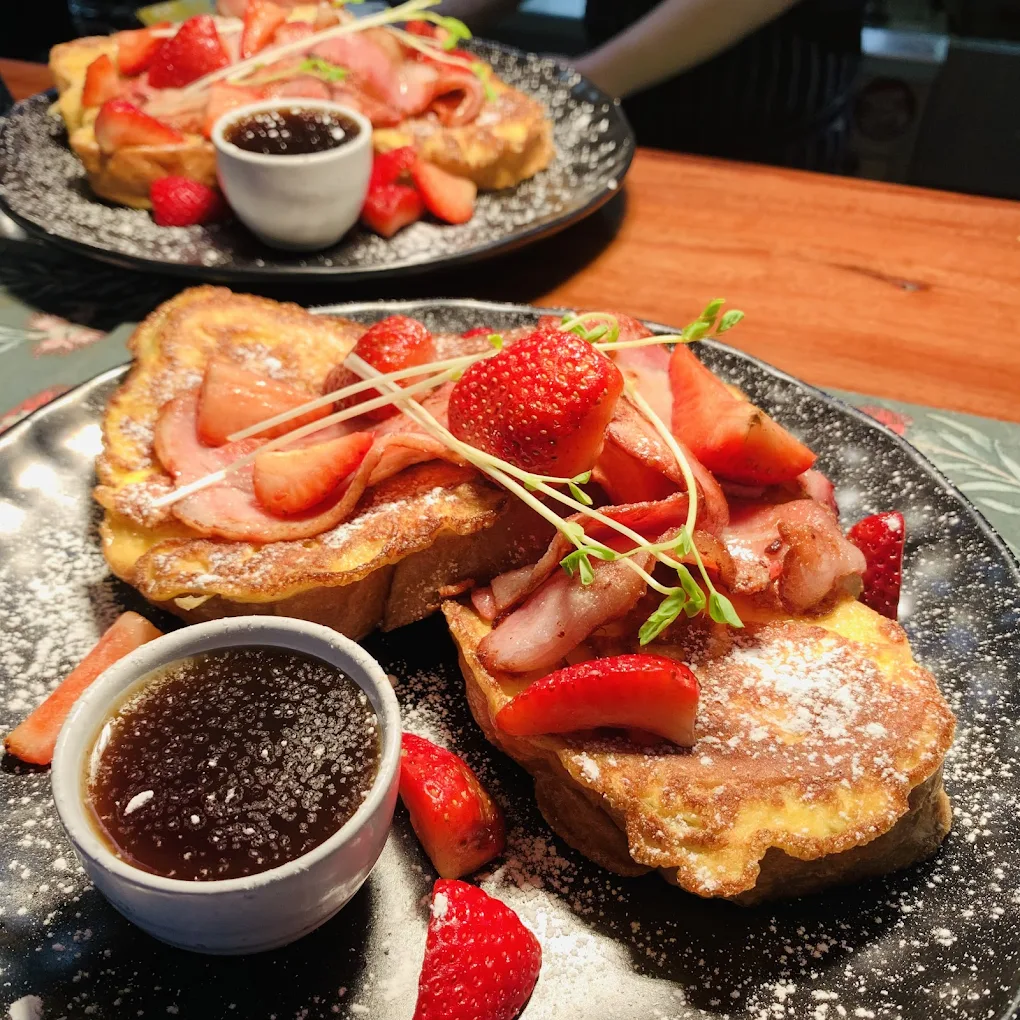
4. MoccaBella
About MoccaBella
4.5 Google Rating
Bellbowrie Shopping Plaza, 37 Birkin Rd, Bellbowrie QLD 4070
SAMPLE MENU
BOOK A TABLE
SOCIAL MEDIA
Google Reviews
Rachael Glyde
We frequently visit this beautiful cafe. The food is always delicious and large servings for a decent price! I am coeliac and have never been sick from the gluten free food. The kids menu also has a lot to choose from, it’s perfect for our family. Can’t recommend highly enough
Lauren
Lovely coffee, friendly staff and tasty food
Selz Pal
What a gem find!! Food was fresh, service was great and a very nice and relaxing atmosphere.. Highly recommend!!
5. Char chook
About Char chook
4.5 Google Rating
3366 Moggill Rd, Moggill QLD 4070

Google Reviews
Lynn Hristov
Having lunch now, the chicken is excellent , lovely lady helped me , I asked for it to be well done , she left it on the grill a little longer so nice chat marks, I hate rotisserie chicken from the supermarket , do soggy, this is juicy and really tasty. That’s garlic sauce on top of the chicken, delicious!! X
Jeremy Bilyj
Amazing food, amazing staff, always accommodating amd happy to see us. Never had a bad meal!
Read: The Life and Legacy of Max and Freda Kanowski: 70 Years, Still In Love
Jess Ferris
My favourite take out hands down. Everything on this menu is delicious and you feel way better after having this for a take out night! The chicken is so perfectly cooked and the chips are to die for. But my absolute favourite is the beef burger