



Disclaimer: ‘Australia All Over’ is a program produced and broadcast by the ABC Local Radio Network and hosted by Ian McNamara. Brisbane Suburbs Online News has no affiliation with Ian McNamara, the ABC, or the ‘Australia All Over’ program. This weekly review is an independent summary based on publicly available podcast transcripts and episodes. All original content and recordings remain the property of the ABC. Our summaries are written in our own words and are intended for commentary and review purposes only. Readers can listen to the full episodes via the official ABC platforms.
From Perth to Hobart, the Oct 5 edition of Macca’s program unfolded like a road map of Australia — conversations stitched together by travel, music, work and memory. It was a Sunday morning soundtrack of real voices: people doing what they do best, keeping the country quietly alive.
Queensland Divers Take the Leap in Perth
At East Perth, Gary and Anne from Mount Ommaney stood proudly by the pool, watching their grandson William compete in the national elite diving championships. Twenty young Queenslanders had made the trip, each dreaming of a place on the Olympic stage.
“He’s calm, easy to get along with,” Anne said. “He plans, works hard and never gives up.”
They’d come a week early to wander up to Monkey Mia, taking in the Western sun before the competition began. “Wherever our children are, we go,” Gary added. “We trip as far as we can, as much as we can.”
William, barely in his teens, may well be one of those who rise with the 2032 Brisbane Games. For now, it was enough that three generations had crossed the continent together — the kind of quiet, hopeful journey that feels unmistakably Australian.
Stoney on the Nullarbor
Out on the edge of the continent, Stoney keeps watch. Twenty years after Macca first met him at Eucla, he’s still out there, running starling traps that stretch from the Nullarbor Roadhouse to the Eyre Bird Observatory.
“We’ve shot them, netted them, poisoned them,” he said, matter-of-fact. “Most are pushed back to the border now.”
He lives among weather-station workers and fishermen, where the wind whistles off the Great Australian Bight and cliffs rise 100 metres straight from the sea. He fishes from those heights, lowering lines into the swell below. “By the time you get one up the top,” he said with a laugh, “you don’t feel like throwing it back.”
It’s a hard, beautiful life — the sort of self-contained existence only possible in places where the horizon is everything.
The Spell of Lake Eyre
From Stoney’s cliffs, the program turned inland to the shimmering emptiness of Lake Eyre. Macca read from Roma Dulhunty’s The Spell of Lake Eyre, describing mesas and salt plains so stark they seemed carved from another planet.
A small mob of wild camels moved through the mirage, their silhouettes black against gold light. Dulhunty called the place “Little Camel Canyon”, a valley of stillness and sculpted stone. It was a reminder that even the loneliest parts of the map can feel alive when someone takes the time to look and write them down.
Potatoes and the Price of Living
Not far from Mount Gambier, truck driver John was loading 42 tonnes of stored potatoes for Melbourne. The B-double hummed as he called from the road.
“They load you in thirty-five minutes — all bulk now,” he said. Asked about varieties, he chuckled. “Spuds are spuds to me.”
He’s been carting them since February’s harvest, the crop kept fresh in temperature-controlled sheds. But talk soon shifted from logistics to life. “Eggs have doubled in two years,” he said. “Food’s never been this dear.”
Both men remembered the backyard patches of earlier generations — the Pontiacs and Sebagos that came up in every second yard. Those gardens, they agreed, had a kind of quiet wealth no supermarket could replace.
Songs from Newcastle: Bob Corbett
Musician Bob Corbett called from Newcastle, his voice bright with gratitude. “Thanks for playing Long Weekend, Macca. You’ve sent a lot of good people my way.”
He’s a working musician in the Hunter Valley, playing three gigs a week while raising kids. “Spending time together, creating — that’s the joy of it,” he said.
The two reminisced about the old studio days — Slim Dusty recording at EMI, the Beatles in two-day sessions. “You don’t book time in a big studio anymore,” Bob said. “We all have our own now.”
In his backyard studio, surrounded by guitars and the easy noise of family life, Corbett keeps writing songs that feel like travel postcards from an ordinary weekend in Australia.
Bathurst’s Cortina Nationals
In Bathurst, the main street gleamed with vintage paintwork. Paul Geeran had trailered his classic Cortina all the way from Alice Springs for the Cortina Nationals, marking sixty years since the GT500’s famous Mount Panorama win.
“Everyone was on the track yesterday — nose to tail all the way round,” he said, still sounding amazed. Cars from every state, and even Tasmania, had filled the paddock.
Paul’s been in the Alice since 1983. “People think it’s all trouble,” he said. “But we love living there.” The festival of engines and memory, under a crisp Bathurst sky, carried that same sentiment — a love of place that runs on petrol, polish and pride.
All Over News: Roads, Wheat and Bread
The All Over News segment crossed from red dirt to grain fields. There’s a plan to bitumenise the road from Laverton (WA) through Alice Springs to Winton (Qld) — the Outback Way. Advocates say it’ll open a diagonal freight link across the nation; locals fear it could change their remote rhythm forever.
Macca then turned to the story of Gabo wheat, bred from Gaza and Bobbin strains. “To see my father in a field of wheat was to see a man at prayer,” poet Max Fetchin once wrote — and that line hung in the air like dust at harvest.
At the Perth Royal Show, baker Lachie Bisse of Big Loaf Bakery in O’Connor explained the secrets of good bread. “Aged flour absorbs more moisture,” he said. “You get a softer loaf and a better rise.” For Bisse, the dawn starts and warm ovens are a kind of calling: feeding the city one loaf at a time.
Outback Airwaves: Martin Corbin
At the airport, Macca ran into Martin Corbin, a former ABC producer now working with NG Media across the Ngaanyatjarra Lands.
“Community radio is hearing your culture brought back to you,” Corbin said. From Wingellina to Warburton, he helps remote broadcasters produce local music and health messages in language.
He spoke too of the Outback Way. “It’ll make travel safer,” he said, “but it’ll also change things — more tourists, more traffic. We’ve got to keep the balance right.”
His own commute — Uluru to Wingellina, four hours on a desert track — shows what connection really means out there.
Deniliquin Ute Muster: Country Pride
Paul from Deniliquin was still buzzing from the Deni Ute Muster, two days of country music and engines under a Riverina sun.
“It’s great for the town,” he said. “They do it tough, but this brings everyone together.” Families and farmers filled the grounds to see The Wiggles, Zac Brown Band, John Williamson and Troy Cassar-Daley.
Visitors had come from across Australia — and even from Wales — proving how far small-town festivals can reach when music and mateship do the marketing.
Ian McDougall and the Music of Snow
From Goulburn, songwriter Ian McDougall phoned in. He’s fronted Canberra’s Acme Jigs and Reels Company for decades and still skis whenever he can.
“The snow here’s heavier,” he said, comparing Australia’s drifts with the fine powder of Colorado and Niseko. His stories of Kiandra and the Snowy Scheme mixed history and affection — the sound of someone who’s spent a lifetime listening closely to both weather and song.
Strings and Feathers: Ian Simpson in Perth
In Perth, banjo master Ian Simpson picked through the difference between Merle Travis’s thumb-picking and Chet Atkins’s alternating bass. Then came the tune that started it all — The Wreck of the Old 97.
He remembered the 1970s, playing three pub shows a Saturday. “You just kept going,” he said. “Now it’s quieter — but the rhythm’s still the glue.”
At home in Armadale, Simpson tends fruit trees and a flock of chooks — recently joined by a stray guinea fowl that simply moved in. “Looks like it’s staying,” he laughed. Music, like birds, finds its own roost.
Speed Cubing in Brisbane
At Eight Mile Plains, Glenn from Bunbury watched his 14-year-old son Declan compete in the National Speed Cubing Championships — a world of flashing hands and memorised moves.
“He’s in the blindfold finals,” Glenn said proudly. “I can’t do it myself.” The two planned a week in a campervan afterwards, exploring Queensland’s hinterland — father and son solving life’s puzzles one stop at a time.
Inline Hockey in Hobart
Down south, Graham from Hobart reported from the National Inline Hockey Championships at MyState Arena. “It’s ice hockey on rollerblades,” he explained. With the city’s rink long gone, players turned to synthetic courts. Twelve age divisions, a thousand competitors — proof that Tasmania’s sporting heartbeat still thumps loud.
The Road Rolls On
When Macca signed off — “If you see me on the road, stop and say g’day” — listeners had already been there: at the diving pool, the bakery, the desert airstrip and the ute paddock. The Oct 5 Show was Australia in real time — voices, distances and dreams stitched together by a signal strong enough to cross them all.
Disclaimer: ‘Australia All Over’ is a program produced and broadcast by the ABC Local Radio Network and hosted by Ian McNamara. Brisbane Suburbs Online News has no affiliation with Ian McNamara, the ABC, or the ‘Australia All Over’ program. This weekly review is an independent summary based on publicly available podcast transcripts and episodes. All original content and recordings remain the property of the ABC. Our summaries are written in our own words and are intended for commentary and review purposes only. Readers can listen to the full episodes via the official ABC platforms.
Spring was in the air and so were the stories. This Sept 28 episode took listeners from recycled timber and the call of East Arnhem Land to quirky island cars, sandstone “cities” hidden in the Top End, and a two-month escape from news and email. Along the way came bravery awards and hugs, vintage motocross, a long-fought medical milestone, the tough world of restaurants, youth brass bands, an Aussie in Nottingham, and wildflowers from Bendigo to “Ravey.” All stitched together with Macca’s banter, asides, and genuine curiosity — it was Australia, all over.
Danny Johnson — Forty-Two Years of Demolition, All Recycled
Danny Johnson’s voice carried the weight of four decades spent pulling down buildings — but also the joy of putting old timber and pressed metal to use again. He spoke to Macca from inside his restaurant, where nothing was new. “Every single thing in here is recycled,” he said proudly. “All of the timber, the doors, the windows, the lining boards… I’ve stripped the paint off, re-polished, re-varnished, re-shellacked. The whole place is a recycled establishment.”
It all began when his dad came home one day and suggested they help a widow whose house had to be demolished. “So dad and I pulled that old house down in Duncan Street, Warracknabeal. Two or three people started coming past, and they started to buy this lining boards and roofing iron and 4x2s and Oregon beams off me. And it was great. I said to dad, hey, gee, we could make a living out of this.” And they did, for 42 years.
Now retired from demolition but not from work, Danny lamented what he sees as over-regulation. “Health and safety has gone right over the top. We’re so overregulated in this wonderful country… all us ordinary guys and girls, who I call the productive people — for God’s sake, give us a go. Stop putting bloody hurdles in front of us.” Macca chimed in, “Too many rules, mate. Too many rules, too many laws, too many lawyers.” Danny agreed wholeheartedly.
What pains him most is the waste when old buildings are bulldozed. “Even in Warracknabeal, our beautiful hospital, 100 years old, smashed it down with a front end with an excavator, smashed it to bits. I nearly cried… that beautiful cowrie pine flooring and jarrah flooring, all just being smashed to bits.” He argued that governments should allow time for salvage teams before the machines roll in. “I’ll do it. I’ll come out of retirement,” he said. And then, with the kind of wisdom passed down through families, he quoted his father: “As long as you got three meals a day and a roof over your head, son, you’ll be right.”
Angie — Solo Run to East Arnhem Land
Angie rang in from Roma, cheerful and matter-of-fact about the long road ahead. She was on day two of an 11-day drive from her property near Nimbin all the way to Nhulunbuy in East Arnhem Land.
“Today, I’m driving to Longreach, and I’ll probably have a look at the Stockman’s Hall of Fame and the Qantas Museum,” she said. From there the route stretched through Mount Isa and Katherine before the last leg — “670 kilometres of corrugated hell, apparently, to Mullenboy.”
She wasn’t travelling light. “I’ve joined the Central Arnhem Road Facebook group and getting lots of advice,” she explained. “I’ve got extra spare tyres, and yeah, I’m just by myself. My husband, he works full-time back home, so this is an adventure of a 12-month work contract I’ve got up there.”
Macca asked if she was in Nursing. “No, no, I’m in Tourism. I’ve been in tourism for about 150 years,” she laughed. Her speciality is fishing tourism, and she’s heading north to help develop “catch and cook” and other ventures, as Rio Tinto prepares to exit the region. “It’s a privilege to get up there and help some tourism and aerospace and aquaculture industries,” she said.
For now, though, it was just her, a “20-year-old Toyota packed to the rafters,” and the open road. “It’s a lovely thing to do, to go driving, especially when you see Australia,” Macca said. Angie agreed: “Beautiful day here, beautiful day. I’m heading out through the canola fields towards Longreach.”
Pete on Magnetic — International Moke Day
“Just hold on, I’ve got to sit down,” Macca laughed when Pete from Magnetic Island mentioned it was International Moke Day. Pete, calling after a sprinkle of morning rain, said the Men’s Shed had put together a small celebration. “We’ve managed to get about 14 people together. So we’ll have breakfast over at the Men’s Shed, maybe go for a bit of a drive and end up at the pub for lunch.”
Magnetic Island was once a haven for the quirky little cars. “In its heyday, they had 124 Mokes,” Pete said, “the second largest Moke hire company outside of Portugal.” Originally built by BMC for the army, they had ground clearance issues but became perfect runabouts. “Well, the old ones were getting a bit tired,” Pete admitted, “but beautiful little car.”
Retired from the Gold Coast, Pete now loves his island life. “We’re only 20 minutes by ferry off Townsville… it really is a beautiful, beautiful place,” he said. Macca added, “That’s what it’s about, isn’t it? Not the destination, the friends you’ve got around you.”
Tony Allen — The “Loft Cities,” Kimberley Skies and 10,000 Kilometres
Tony and his wife had just returned from a two-month, 10,000-kilometre trip that took them across northern Australia and back. They weren’t in a hurry, and that was the point. “We set that up for our camping trip and took off, went up to Townsville and then into Hughenden, then up on to the Savannah Way, up to Cobalt Gorge and on from there… and across some fairly abominable roads,” Tony told Macca.
On the road between Burketown and Borroloola they met a cyclist named Michael who had ridden from Adelaide. He convinced them to take a detour into Limmen National Park. “There’s the Southern Loft City and the Western Loft City… amazing columns of eroded sandstone all close together. It’s just the most stupendous place, Macca.”
Macca admitted he’d never heard of it. “Not that I should know everything, but I’ve never heard of that, the lost city,” he said. Tony replied, “Certainly worth visiting.” From there, they went on to Keep River National Park with its own sandstone formations, then on to Broome, where their daughter works with Magabala Books.
Temperatures tested them: “We’d have 13 degrees in the morning, and then 33 in the afternoon. It would just be… a big gradient.” Macca agreed: “That’s huge, isn’t it? But I suppose people in the north are used to that.” On the way home, they took the Tanami Track to Alice Springs, then the Plenty Highway to Boulia.
For Tony, the best part was the mental reset. “We didn’t listen to the news for two months. Didn’t check our emails.” Macca chuckled: “Shock horror!” Tony agreed: “That’s what everybody should do.”
Sally — Bravery, After the Headlines
At Burleigh Heads, Sally introduced herself brightly: “I’m the chief hugger of the Australian Bravery Association.” She explained how the group supports people who’ve risked their lives to save others. “Life after rescue can be quite challenging. We go into an emergency situation with no protective clothing, no training, no tools, no one to help us, no peer support. We just go in with a kind heart, just hoping we can help someone.”
Those rescues often leave scars. “We quite often suffer physical and emotional injuries as a result of our rescue attempt,” she said. Research backs that up — Dr Tom Voight’s study showed family members can also be traumatised, with impacts ranging from flashbacks to strained relationships. “I’m not saying that everyone gets PTSD,” Sally said, “but rescue events can be very traumatic.”
Bravery Awards, she reminded listeners, are open to public nomination: “Anyone in the community can nominate someone for a bravery award. That family might receive a life-changing medal, which becomes part of the family folklore.” The awards are announced on 1 September — Bravery Day — with ceremonies at Government Houses around the country.
The Australian Bravery Association, made up of award recipients themselves, also organises events. “We hold regional events… I just want to chat with you today about the campout we’ve got coming up on the Gold Coast at Ormo on October 25th,” Sally said. “If anyone’s got a bravery award, wants to hang out with other bravery award recipients and tell tall stories, and laugh and carry on, and have some fun — I’d like to invite them.”
Macca teased her about the “chief hugger” title. Sally laughed: “I’m so brave I can go and hug anyone. And a lot of the men can’t do that.” She added: “Anyone needs a hug, I’m available, okay? You need a hug, Macca?” He chuckled: “Well, everyone needs a hug and a cup of tea.”
Vaughan — A Century for the Brisbane Motorcycle Club
Vaughan’s call came from the road south of Ipswich. He and his mate were heading to Queensland Moto Park for a special celebration: the Brisbane Motorcycle Club turning 100. “They’re holding the National Vintage Motocross at Queensland Motor Park this weekend,” he explained.
His own pride was a pre-1970 Ossa 250. His mate was astride a BSA Gold Star in the pre-60 class. “Like a BSA Gold Star is probably maybe $20,000 worth,” Vaughan said. There’d be bikes from pre-60, pre-70, pre-75, and riders well into their eighties still taking to the track.
Sidecars, once a common sight in post-war Australia, were absent this time. “We couldn’t get a field of sidecars for this event, so we had to have a bit of a cry,” Vaughan admitted. Macca reminisced how tradesmen once threw tools into sidecars and rattled off to work. “Exactly,” Vaughan agreed. “That was how you got around.”
The event was free for spectators. Vaughan chuckled as he described himself — retired but still racing at 66. “We’ve got guys out in their 80s that are still racing motocross.” Macca was impressed: “More power to you, mate.”
Rod Martin — Rural Generalists Finally Recognised
From Armidale, Rod Martin brought news two decades in the making. As president of the Australian College of Rural and Remote Medicine, he announced that rural generalists were now formally recognised as medical specialists. “It’s 20 years in the baking the cake and six years to ice it,” he told Macca.
He explained the significance: doctors would now have a proper target to train for. “We expect people to be able to look after emergencies, look after people in hospital and look after them in the primary care settings,” Rod said. Training included the option to sub-specialise in anaesthetics, obstetrics, palliative care, paediatrics, and more — twelve pathways in all.
Rod also tackled a health rumour that had unsettled many pregnant women: whether paracetamol use caused autism. “Two and a half million Scandinavians got studied a year and a bit ago, and there was no evidence for it. It doesn’t cause it.” Macca sighed: “News organisations grab hold of anything. It does a lot of harm.”
Rod agreed: “It ends up taking up more time explaining things that are pretty simple and straightforward. When you get washed and washed with the same bit of story, it takes careful, deliberate discussion to correct it.”
Recognition for rural generalists, he said, would give leverage to secure more funding: “We’ve now got the very clear justification to say, we need to fix health outcomes… let’s get on with it.”
All Over News — Muriel Chen and The Taiwanese Table
The All Over News segment spotlighted chef and author Muriel Chen. She told Macca how her family migrated from Taiwan in the late 1980s. Her mother and father knew little English, but carried ambition and determination. Settling in Melbourne, they eventually returned to what they knew best: food.
Muriel now runs the Blue-Eyed Dragon in Pyrmont, Sydney. Her book, Food from the Isle of Formosa: The Taiwanese Table, weaves together family stories and recipes. “For me… this is Taiwanese. My mum cooked it this way. However you like to say it, this is Taiwanese.”
Business has been a rollercoaster. After relocating to a larger venue in 2010, things thrived. By 2019, trade had dipped. Then came COVID — and unexpected support. “The day before lockdown, a customer walked in and said, Muriel, I just want to take away for $300. Here is $500. Cook whatever you like,” she recalled. “And I even had a customer from the UK buy a gift voucher he would never use, just to support us.”
Muriel’s mother, who once ran a 1,000-seat restaurant in Taiwan, joined her in Sydney and helped train the staff. Many are still with her after nearly two decades — Sugi, who began washing dishes, is now head chef; her sister-in-law is the dumpling master; Anita has been sous chef since her teens.
On 30 September, the Blue-Eyed Dragon marks its 20th anniversary with a fundraiser for the Cerebral Palsy Alliance. Muriel remains committed to her community too, supporting Pyrmont Cares, which furnishes homes for those starting over.
Fergus & Alex — Youth Brass on Tour
From a tour bus in New South Wales, Fergus and Alex gave a glimpse of life in the Victorian State Youth Brass Band. Fergus plays tuba — “the carpet that all the cornets sit on,” he said proudly. Alex, principal percussionist, laughed that he’d been hitting drums since he was three. “It’s the backbone. Playing anything that’s out the back, hitting stuff, it’s always fun.”
Macca joked about the shape of lips dictating which instrument you play. Fergus replied that while “embouchure” mattered, the real key was breath control: “The air is what creates the beautiful tone, having a really consistent support down at your diaphragm and your pelvis.”
With 50-plus members, the band was on its 2025 New South Wales tour. “It’s always the highlight of the year,” Alex said. For Macca, it was a chance to remind listeners of the dedication that goes into youth music.
Mick Gallis — Ange, Forest and a Six-Hour Bus
From Nottingham, Mick Gallis was buzzing. He’d flown over to see Ange Postecoglou coach Nottingham Forest. “I got to meet Ange pre-match,” he said, still pinching himself. “And even the owner, Mr Maranakis.” For Mick, an everyday bloke from Melbourne, it was a thrill to chat with figures most fans only see on TV.
Forest lost 1–0 to Sunderland, but Mick barely cared. “They rolled out the welcome mat,” he said. “I even got interviewed on the BBC.” The only sour note was the transport home. With trains booked out, he took a six-hour bus back to London. “It’s a long way from Nottingham to Melbourne, Australia, Macca,” he quipped.
Macca teased him about hotel showers. Mick confessed he couldn’t work out the taps at two different hotels. “I tried to have scones with the King, but he was busy at Balmoral,” he joked. His itinerary included the Cotswolds, Edinburgh, Amsterdam, the Somme — where he would honour a great-uncle who fell in World War I — and Paris. “I love overseas, but there’s no place like home,” he said warmly.
Mindy — Counsellor Between Two Systems
Mindy called from Bunbury, Western Australia, wrapping up a 10-day campervan trip with her husband and two teenagers. They’d visited Lucky Bay and Esperance, passed through Denmark, and were heading into Perth to catch a flight back to Melbourne.
Her story stretched further than the holiday. An American from Florida, she married a Sydney man after meeting him on a social service trip in Mount Druitt. “We just started emailing back and forth,” she said. Eventually, he moved to the US with her, and they built a life there. Now, two years into what was meant to be a short work stint in Melbourne, they’ve decided to stay.
Mindy works as a counsellor and psychotherapist. She still sees clients in the US via telehealth while trying to build a base here. “There are many, many clinicians out there, but no funding for it,” she explained. Medicare covers psychologists and social workers but not counsellors. “If Medicare could utilise these other clinicians, it could go a long way.”
She contrasted systems. “In the US, insurance is very pricey, but mental health coverage is included. Here, you’ve got well-trained people who can’t access the funding.” Macca sympathised: “All we hear about is mental health. Seems like you could never be out of work.” Mindy smiled at the irony: “It’s just the funding that comes to cover it, though.”
Sandy — Bendigo’s Native Flower Show
Sandy rang in from Bendigo, where the Australian Plants Society was holding its annual flower show. “All natives,” she said with pride. More than 400 varieties grown in members’ gardens were on display, alongside books, stalls, and community groups.
She had been busy all day introducing visitors to local mint bushes. “I’d make them just touch the leaves, squeeze them and smell them,” she laughed. “They’re fantastic. Aromatic plants — you walk past them and brush against them, and the aromas just hit you.”
Macca joined in, recalling how mint bushes in his own garden filled the air with purple blooms. Sandy added that Bendigo varieties also flowered scarlet and bright yellow. “The scent of lemon, of mint, of honey, of eucalyptus — it was just a delight walking in this morning.”
For her, the beauty of natives was their resilience. “In the bush, they don’t get pruned or watered or weeded. Just let them go,” she said. Even city dwellers, she reminded, could grow them in pots. “The garden just does it for me,” Macca agreed. “Whether it’s an insect or a bird or a smell or a sight… it restores the soul.”
Dan — First AFL Grand Final
Driving home past Ararat, Dan was still buzzing from the AFL Grand Final at the MCG. A Cats supporter, he’d finally seen his team in the big dance after 50 years of following them. “We come up short, but it was just an experience,” he said.
The official crowd was 100,022, “should have been 23, but the bloke next to me didn’t show up,” he laughed. Dan sat up in the “nosebleeds,” close enough to touch the roof, but loved every minute.
He makes wine in the Barossa Valley and had hosted a breakfast for local farmers before driving over — a casual get-together with bacon and eggs to check in on mates doing it tough. His wife works with the Royal Flying Doctor Service and was heading to Port Augusta as he drove home.
The day itself was a mix of football and showbiz. Dan wasn’t much fussed about the halftime act. “A lot of noise, not my cup of tea,” he admitted of Snoop Dogg’s performance. Macca chuckled: “Depends how old you are.” For Dan, the match itself was the main event, and it was one he’d never forget.
Justin Taylor — ACDC in Katanning, 50 Years On
Justin Taylor rang from Tambellup, WA, still energised by a community event in nearby Katanning. It was 50 years to the day since ACDC played there on their TNT tour. “We set about organising a bit of a reenactment of that Long Way to the Top video,” he told Macca.
Local musos filled in for the band, and they even found a bagpiper, Andy Davies from Alberton. “He blows a mean horn,” Justin laughed. They secured a truck, the shire’s blessing, and police support, then rolled through town blasting rock and roll. “It was fantastic, Macca. You would have loved it.”
Macca laughed along: “Rock and roll ain’t noise pollution.” For Justin and the community, it was proof that regional towns could still put on a show with heart.
Toby Ford — Rowing for Bush Wellbeing
Toby Ford introduced himself as part of Outback Rowing Australia. Next weekend, Longreach and Barcaldine would host regattas on the Thompson River and at the Barcaldine Water Sports Area. “We’re tapping into the rivalry between the two towns — one a squatter’s community, the other a shearer’s community,” Toby said.
But the real goal was health. “The further you live from the ocean in Australia, the shorter your lifespan,” Toby noted, citing Australian Institute of Health and Welfare data. The regatta was part of tackling well-being in the bush. “We spend about $86,000 per adult per year on illness, and only $86 on prevention.”
This year would also include the first bush kids’ rowing program, teaching life skills and resilience. “We’ve now got 10 towns in western Queensland that have started rowing,” Toby said proudly.
Macca reflected that bush kids often develop life skills early — feeding stock, pitching in on farms. Toby agreed, adding that safe decision-making was part of giving children “safe passage to adulthood.” For him, rowing was one way to encourage that.
Enid — Honeyeaters and Geraldton Wax
Enid rang from suburban Perth, delighted by the wildlife in her neighbour’s garden. Two baby New Holland honey eaters had just taken flight from a topiary bush under a veranda. “We’ve been watching them and protecting them for a while,” she said.
She encouraged gardeners to plant dense shrubs where small birds could shelter from larger predators. She also praised Geraldton Wax for drawing in bees. “I walk out my front door and I can hear all these bees.”
Macca admitted he’d struggled to grow the plant in his soil but remembered seeing it flowering in WA, “deep purple and pink along the railway line.” Enid assured him it could work in big pots with proper drainage. “It restores the garden with sound and colour,” she said.
Rhonda — Wildflowers at ‘Ravey’
Rhonda called while driving between Lake Grace and Lake King, heading home to Esperance. She wanted to give a plug for the Ravensthorpe Wildflower Show, held every September. “The best wildflower show in the world, I’m told,” she said.
Locals simply call the town “Ravey.” This year’s show had been a triumph, with displays of the region’s spectacular biodiversity. “Anyone travelling Western Australia should plan to be in Ravensthorpe early September,” Rhonda urged.
Macca laughed: “You should’ve rung a couple of months ago.” But he promised to see her there next year. Rhonda, who runs a broadacre cropping farm with her son, said the season had been kind. “Crops are looking really good in our area, so very thankful for that.”
It’s a Wrap!
And with that, Macca signed off, promising that the full flavour of Australia could always be found on the airwaves each Sunday morning. From Warracknabeal salvage yards to Arnhem Land fishing, from Magnetic Mokes to lost cities of stone, the Sept 28 show carried listeners across landscapes, lives, and laughter.
Disclaimer: ‘Australia All Over’ is a program produced and broadcast by the ABC Local Radio Network and hosted by Ian McNamara. Brisbane Suburbs Online News has no affiliation with Ian McNamara, the ABC, or the ‘Australia All Over’ program. This weekly review is an independent summary based on publicly available podcast transcripts and episodes. All original content and recordings remain the property of the ABC. Our summaries are written in our own words and are intended for commentary and review purposes only. Readers can listen to the full episodes via the official ABC platforms.

Spring was in the air on this week’s program, and Macca’s callers brought with them a lively mix of stories: from kites on Brazilian beaches and four women pedalling a quad bike across the Nullarbor, to Nashville songwriters, disappearing bees, and classic cars in suits. Add in students bound for Kokoda, a squeeze box festival in Queensland, and a surprise call from guitar legend Hank Marvin, and it made for a show as varied as Australia itself.
Danny from Melbourne – Health and Kite Adventures
Danny began with an update on his health, relieved to be clear after prostate cancer surgery but now facing a long wait for a hip replacement. He admitted staying active was difficult, but insisted, “You’ve just got to keep moving. You can’t sit still.” Danny also recalled his days in Brazil flying stunt kites, including a massive 3.8-metre prototype that pulled him barefoot along the sand. Trying the same at Anglesea ended badly: “I came crashing down on the rocks and got cut to pieces. Never again.”
Ride for Life – Quad Tandem Across Australia
Anna from the Gold Coast called from Port Augusta, midway through a national ride on a four-woman “quad tandem” bike. “We’ve had caravanners stopping to take photos, people making donations on the side of the road,” she said. Even a busload of grandmothers gave them fresh scones. The group is raising funds for Gotcha4Life’s suicide prevention programs, aiming for \$500,000 by the time they reach Bondi Beach on 10 October.
Angus Gill – Music, Nashville, and Alzheimer’s Awareness
Angus Gill checked in from Nashville, where he has been collaborating with Marty Stuart and James Burton. His new record Postcards is due out in October, alongside his first novella, Departure and Arrival, inspired by his grandmother’s battle with Alzheimer’s. “I used to play cards with my nan every night,” he said, “and that’s where the song In the Cards came from.” Gill described Nashville as a city where “there’s live music on every corner,” saying it has sharpened his songwriting and performance.
Distinguished Gentleman’s Drive – Classic Cars for Movember
Organisers Mark Hawwa and Corey Brown explained how the Distinguished Gentleman’s Drive swaps motorbikes for classic cars. Hawwa said, “We started this to break stereotypes — people think bikers are hairy blokes in leather. We put them in suits.” The event has since grown into a global fundraiser, raising over \$100 million for Movember’s men’s health initiatives. Sydney and Brisbane are among hundreds of cities worldwide hosting drivers next Sunday.
All Over News – Bank Closures Across Australia
Journalist Dale Webster discussed the latest wave of Bendigo Bank branch and agency closures, calling it “the biggest mass closure I’ve seen in 10 years.” Despite a government moratorium, dozens of towns are losing their only service. Webster argued the solution is to “re-establish a people’s bank, like the old Commonwealth Bank,” noting that a Senate inquiry recommended it over a year ago.
All Over News – Where Are the Bees?
Veteran apiarist Keith Steele gave a sobering report on Varroa mites. “Backyard hives are down 50 per cent,” he said, with many hobbyists giving up because of the cost of constant treatments. Commercial operators, he added, are paying tens of thousands just to keep their bees alive. Steele warned bluntly: “Without bees, we don’t eat.”
Michael Gallus – From London to Nottingham
Michael Gallus called from London while celebrating his 30th wedding anniversary. He planned to watch Ange Postecoglou’s Nottingham Forest, only to discover his great-great-grandfather was born there. “I’ve even found some living relatives,” he said with amusement. Gallus also described London as “Disneyland for adults” and laughed about trying Britain’s so-called “warm beer”: “It’s not warm at all — just not as cold as ours.”
Seasonal Dates and Listener Letters
Rob from Maidenhead explained the difference between meteorological and astronomical seasons, using solstices and equinoxes to show why dates vary. Another letter came from Oliver DiMarscio in Italy, who reflected on 25 years abroad. He praised Australia’s “mateship and optimism” compared with Europe’s social tensions, adding that listening to Macca gave him a sense of home.
Outdoor Learning – Students on the Kokoda Track
Jason from Guildford Grammar in Perth called before leading 18 students on the Kokoda Track. “Brigadier Potts was a student here,” he said, noting that Potts’ great-granddaughter was joining the trek. Jason described it as “an exercise in grit and resilience” that teaches lessons far beyond the classroom.
McLaggan Squeeze Box Festival
Cheryl from McLaggan promoted the town’s annual Squeeze Box Festival on 11 October. Now in its 22nd year, the event features button accordions and ends with an old-time dance. Despite its small-town setting, it attracts musicians and visitors from across the country.
Skunk Works Community Youth Band Festival
Philippa phoned from a bus heading to Sydney with 45 young musicians from Victoria. The group, aged 13 to 25, will rehearse with professionals from leading orchestras before performing at the Kogarah School of Arts. Philippa said the day was about “showing young people they belong in music.”
Native Bees and a Reset for Honey Production
Sam from near Taree offered a different perspective. With European bees in decline, he said, “Our native bees are thriving. They’re filling the gap.” Some commercial beekeepers, he added, were reporting higher honey yields as competition for nectar eased. While native bees can’t replace Europeans for all crops, Sam described the shift as a “reset” that could help biodiversity.
Leadlight Windows – An Artist’s Eye
Macca replayed an interview with stained-glass artist Keith Little. He recalled that architects often delayed installing his windows until after dedications “so they wouldn’t overshadow the building.” To critique his own work, Little said, “I put it up against a mirror — when you see it backwards, you spot the faults.”
Letters – Rising Power Bills and Remembering Charlie Townsend
One letter described a \$1,346 winter electricity bill, highlighting the struggles of pensioners. Another came from Janine, remembering her father Charlie Townsend, a baker turned cattle station owner in Wilcannia. A replay of his earlier interview revealed his deep love of breadmaking and community life.
Hank Marvin – Gypsy Jazz on Tour
The show closed with a surprise call from guitar legend Hank Marvin. Now touring with his gypsy jazz quartet, he praised accordionist Nunzio Mondale and spoke about the joy of Django Reinhardt-inspired jazz. “It’s challenging, but so rewarding,” Marvin said. He will perform at Chatswood’s Concourse before heading to Brisbane’s Oz Manouche Festival.
Disclaimer: ‘Australia All Over’ is a program produced and broadcast by the ABC Local Radio Network and hosted by Ian McNamara. Brisbane Suburbs Online News has no affiliation with Ian McNamara, the ABC, or the ‘Australia All Over’ program. This weekly review is an independent summary based on publicly available podcast transcripts and episodes. All original content and recordings remain the property of the ABC. Our summaries are written in our own words and are intended for commentary and review purposes only. Readers can listen to the full episodes via the official ABC platforms.
From gold mines in Kalgoorlie to abalone diving off Tasmania, from CrossFit competitions in Williamstown to the mystery of Ludwig Leichhardt in the Channel Country, Macca’s Sept 14 program stitched together a lively tapestry of voices and stories. There were tales of sheep pregnancy scanners, music at the Bridge to Brisbane, a looming protest in Bendigo, and even a caller awaiting the birth of her baby in Melbourne. Add in reflections from Santa Cruz and Rabaul, and it was a program that captured the breadth of life at home and abroad.
Russell in Kalgoorlie – First-time Listener Call
Russell Lawrence phoned from Kalgoorlie, speaking from the top of a gold mine pit. He explained how listening to Macca had become a regular Sunday habit but admitted this was his very first time calling. Though he didn’t stay on long, he wanted to let the show know how much it meant during his quiet shifts. “Thanks for the show,” he said warmly. “It makes my Sunday mornings.”
Clarky in Camvilligo – Broken Phone Box
Clarky called from Mount Poppy gold mine near Camvilligo, east of Cobar. He reported that the Telstra phone box wouldn’t accept cash, leaving him reliant on his mobile instead. “I’m reporting a Telstra fault,” he said with a laugh, adding that he was “digging dirt chasing gold.” Macca joked that Telstra would be out there “before you can turn around.”
Chris – An Accent and a Love of Australia
Chris rang in to reflect on his life in Australia, recalling how he stood out when he first arrived. “I qualified in my class because I was the only one with a barbecue and an interest in things Australian,” he joked. He said that about 12 per cent of his country’s population now live in Australia — roughly 650,000 people — and all share a deep love for the country. “We love you guys… we think you’ve got a great country. It’s a lucky country. We hope your luck doesn’t run out.”
Evel Knievel Memories
The conversation shifted briefly to stuntman Evel Knievel, remembered for his dramatic visits to Australia. Listeners recalled how difficult he could be, but one wryly suggested his brother “Good Evil” would have been a much better guest — “a really nice boy.”
Pete in Watheroo – WA Crops Looking Strong
Pete rang from Watheroo, WA, where he pulled over to admire the fields around him. “I’ve just had the pleasure of looking at some of the wheat fields and canola crops, which is absolutely outstanding this year,” he said. He described the canola as “as high as an elephant’s eye” and said conditions were the best he’d seen in years.
Quote of the Week – Brendan Nelson
Macca shared his quote of the week, taken from Brendan Nelson: “The most important things in life, in my experience, have always been funded by cake stalls and raffles.” Macca reflected that volunteers really are the glue of communities. “Exactly, exactly,” he said, “true a thing, isn’t it? Volunteers… they run cake stalls and raffles and chook raffles.”
Stuart in Rochedale – Raffles Keep Things Running
Stuart from Rochedale responded to the quote, adding with a chuckle that government certainly doesn’t keep things afloat. “Well, certainly not the government,” he said.
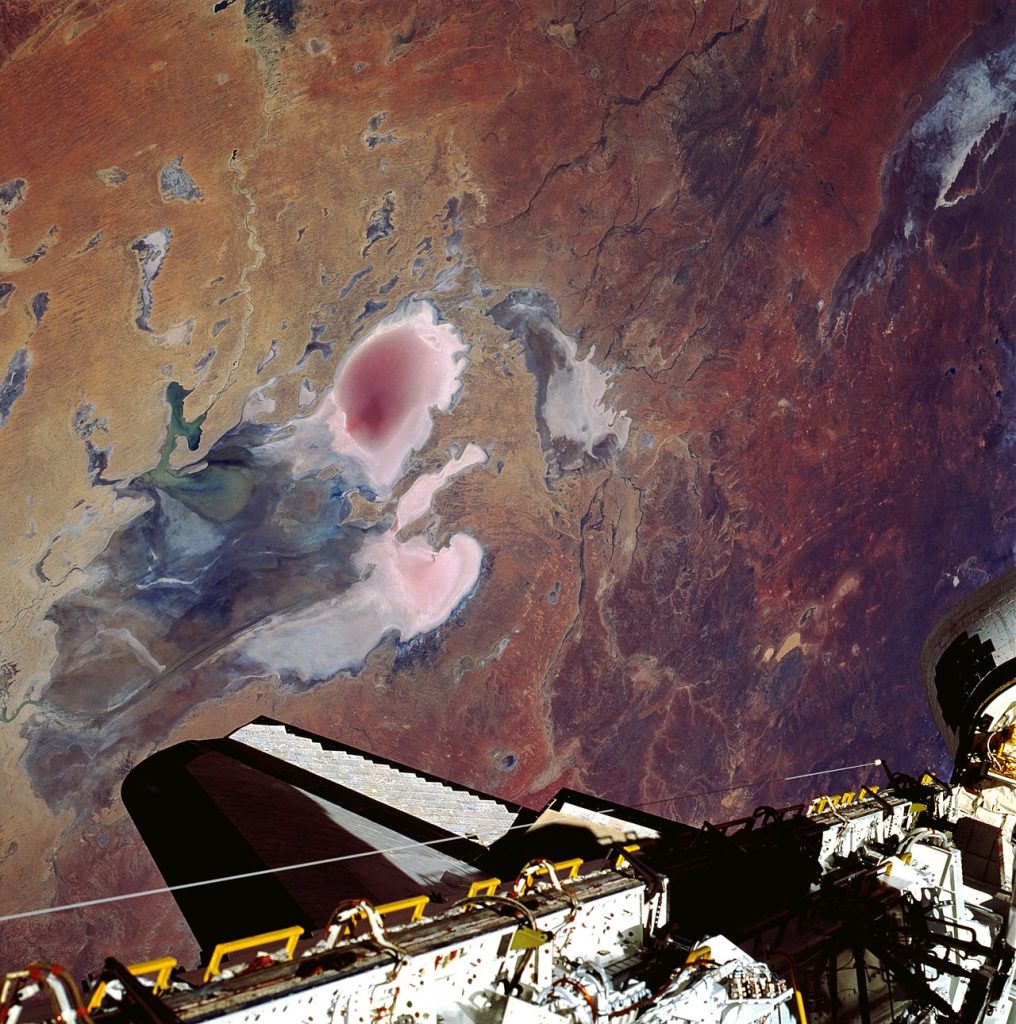
Dave at Twin Cuttle Station – Lake Cadibarrawirracanna
Dave from Twin Cuttle Station near Coober Pedy rang to talk about Lake Cadibarrawirracanna, a lake with the longest name in Australia. He explained that it’s dry most of the time, filling only after heavy rains. The name itself means “lake with a long name,” and it became infamous after vandals repeatedly stole the road sign. Locals eventually shortened it to “Lake Caddy,” which finally stopped the thefts.
Malcolm Wood – Music, Unions and AI
Musician Malcolm Wood shared a story from Broken Hill in the 1990s, where musicians had to be union members to perform. “If you weren’t a paid member, no pay, no play,” he recalled. He contrasted that with today, where computers and AI often replace live music. “There’s just no play because nobody’s playing,” he lamented. He warned that machines have no “feeling” and can never replicate what musicians bring to their art. “Every new house should have a piano,” he added.
Alex the Sax Player – Bridge to Brisbane Fun Run
Alex, a saxophonist, was preparing to perform with his band at the Bridge to Brisbane Fun Run. “We’re playing 100 meters from the finish line… trumpet, sax, drums, a bit of singing, a bit of… I bought my tap shoes, a bit of tapping,” he said. Their goal was to keep runners motivated in the final stretch with lively music. Macca invited Alex to join a future jam in Brisbane with other local musicians.
Sue from Newcastle – Country Train to Armidale
Sue, a primary school principal from Newcastle, called after a train trip from Sydney to Armidale. She praised the relaxed pace, the opportunity to talk with fellow travellers, and the scenery of the New England Tablelands. “It’s a great trip,” she said, adding that the train splits at Werris Creek, one branch to Moree and the other to Armidale. Sue also used her call to highlight the dedication of rural teachers, calling them “the glue of the community.”
Bernie at Kidman Camp – The Mystery of Leichhardt
Bernie phoned from Kidman Camp in Bourke, en route to Eromanga with his daughter. He was armed with a metal detector and was keen to find traces of Ludwig Leichhardt, the explorer who disappeared in the 1840s. “We’re heading through to Eremanga and looking for Lycart… camps and some of the remains,” he explained. He admitted he hadn’t had much luck in past searches but hoped this time would be different. Along the way, he noted the abundance of feral goats in the region.
Ray – The Darling River Run
Ray called to describe his recent trip along the Darling River Run, travelling from Bourke to Menindee Lakes. He spoke of “rough, corrugated, potholed, boggy” roads that tested his vehicle, but also the lush green country around the Flinders Ranges. He noted that the river at Louth had risen eight inches in two days, a sign of healthy flows. He planned to cap his journey with a scenic flight over Lake Eyre and the Painted Desert.
Jono in Ballina – Health Battles and Rugby Joy
Jono, a regular caller from Ballina, gave a heartfelt update on his health. “I thought I was doomed. I thought I was going to leave the building,” he admitted, describing how close he had come to death. Six weeks on, he said he was learning to look for joy in every day. His son’s rugby season provided that joy, as the team won nearly every match, and his son was made a life member of the club.
Dr Zach Turner – A Doctor in Ballina
Dr Zach Turner joined from Cabarita Beach, ready to start work at Ballina Hospital. Originally from Toowoomba, he spoke about working across rural and remote areas and the burnout many health workers suffered during COVID. He urged people to think of mental health as exercise: “I kind of consider it to be brain gym… if you don’t use it, you lose it.”
Alastair from Ballarat spoke after attending a pregnancy scanners’ conference in Mildura. He explained that 40 scanners with a combined 417 years of experience had scanned 6.1 million sheep in a year. Identifying twins and triplets allows farmers to better manage animal welfare and boost farm efficiency. “It saves four to five dollars for every dollar spent,” he said. The group has since formed a network called Scanners United.
Rob from Tasmania – Diving for Abalone
Rob called from Cape Barren Island while diving for abalone. He described the icy waters, just 11 degrees, and the physical effort required to gather green lip abalone. He said the industry was struggling with competition from Chinese aquaculture. When asked about cooking, he gave his advice: “Just bash it pretty hard, and a bit of garlic butter in a hot frying pan is the way I like it best.”
Mark on the Highway – Reliable News Matters
Mark phoned from near Taree, praising the ABC’s roadside frequency signs that keep drivers connected to local radio. He voiced concern about the spread of fake news and deepfakes, mentioning viral hoaxes such as the “baby lifted by an eagle” video. “So much fake news is put on the internet these days,” he warned, adding that reliable sources are more important than ever.
All Over News – Jimmy the Kelpie
Listeners heard the story of Jimmy, a timid sheepdog who became a champion after observing another dog at work. “He was absolutely useless,” owner David Oakes said, “but then Jimmy got off his haunches, belted this other dog out of the way, and became a champion thereafter.” Breeder Jan Lowing from the Darling Downs explained that some pups are slow starters but Kelpies are highly adaptable, with some now fetching tens of thousands of dollars at auction.
Svane in Santa Cruz – Restoring a Boat
Svane called from Santa Cruz, California, where he is restoring a 40-year-old sailboat with plans to eventually sail back to Australia. Having lived in the US for 40 years but still tied to Ballina, he compared the two coasts. “Santa Cruz and Byron Bay have a lot in common. I think they should be sister cities,” he said. He also spoke of California’s reliance on migrant workers and the state’s high energy prices.
Ian on Bribie Island – Walking for Prostate Cancer
Ian phoned while walking along Pumicestone Passage as part of The Long Run. Diagnosed with prostate cancer a decade ago, he described himself as “probably the luckiest cancer sufferer in the world.” He has endured recurring tumours but remains active and positive. “Go and get yourself checked out young, and keep doing it,” he urged men.
Mark in Williamstown – CrossFit Competition
Mark from Williamstown was competing in the Masters HQ CrossFit national final. In his 50s, he said he was inspired by athletes in their 70s who were still competing. He explained CrossFit as “a high-intensity fitness program that combines a whole bunch of styles of exercise,” and embraced the event’s tagline: “Don’t be old, be epic.”
Kevin Butler – BlazeAid Protest in Bendigo
Kevin Butler, head of BlazeAid, phoned in ahead of a planned protest rally in Bendigo. He criticised a Victorian levy that taxes farmers and volunteers while they’re helping communities after disasters. “When we leave our farms to fight fires or to do the months and months of work after floods, the government puts a levy or a tax on us,” he said. With 500 people and 100 fire trucks expected, he described the levy as “unreasonable and unfair.”
Ellen in Parkville – Awaiting a Baby
Ellen called from the Royal Women’s Hospital in Melbourne, ready to deliver her second child. She admitted she was “feeling very lucky and happy, but also kind of freaking out a bit.” It was a joyful and nervous moment, and Macca wished her luck on behalf of listeners everywhere.
Chris in Rabaul – PNG’s 50th Independence Anniversary
Chris rang from Rabaul as Papua New Guinea prepared to celebrate its 50th anniversary of independence. “There are flags and shirts… people in the streets are wearing meri dresses with P\&G, 50-year independence,” he said. He also recalled the devastation of the 1994 volcanic eruption, which destroyed much of the old town. Despite mixed feelings about independence, he said locals remain deeply proud of their culture and history.
Peter Nitske – Life on the Tamar River
Peter, 81, called from Beauty Point, Tasmania, aboard his yacht Zero Balance. He explained how he always wanted a boat but only found the time after retirement. “When there was money, there was not enough time. So now I’m retired. And I’ve bought a boat,” he said with a laugh. Years of restoration have gone into the vessel, and he now plans to sail around Flinders Island.
John in the Phone Box – Solstices and Equinoxes
John phoned from Hustle, standing in a public phone box to make his point. He argued that Australia should align its seasons with solstices and equinoxes instead of fixed calendar dates. “The spring should be the 21st of September, which is the equinox,” he said. Macca replied that maybe the simpler dates were just easier to remember — and easier to spell.
Disclaimer: ‘Australia All Over’ is a program produced and broadcast by the ABC Local Radio Network and hosted by Ian McNamara. Brisbane Suburbs Online News has no affiliation with Ian McNamara, the ABC, or the ‘Australia All Over’ program. This weekly review is an independent summary based on publicly available podcast transcripts and episodes. All original content and recordings remain the property of the ABC. Our summaries are written in our own words and are intended for commentary and review purposes only. Readers can listen to the full episodes via the official ABC platforms.
Father’s Day framed this week’s program, and callers from across Australia – and a few further afield – offered a rich tapestry of stories: from sheep stations and steam engines to shark nets and macadamia farms.
A Buoyant Dunedoo
Dave from Dunedoo phoned in while driving to Coffs Harbour, reflecting on renovating a California bungalow with cypress floors. Once written off as a “cheap rental,” the house has become valuable thanks to an unexpected influx of workers drawn to new wind and solar projects around town. Dunedoo’s café is serving 800 bacon-and-egg rolls a day, he laughed.
Delivering a Cruiser on the High Seas
Chris called from a 41-foot flybridge cruiser off Montague Island, mid-delivery from Melbourne to Sydney. A marine industry man, he revelled in seeing Wilsons Prom by water for the first time and mused on the fragility of relying solely on satellite navigation – “work smarter, not harder,” he quipped, though he still keeps charts and compass on hand.
From London with Dosas
David checked in from London, babysitting his granddaughter while his daughter worked in banking. He praised the uncharacteristically warm English summer and confessed to trekking across the city to Wembley for the best dosa batter, second only to his wife’s.
Father’s Day Reflections
Kelly in Sydney offered a moving tribute to her late father, saying Macca’s voice rekindled the sound of his. She was preparing breakfast with her daughters for her husband. Later, Lindsay from Granville Harbour, Tasmania, praised Kelly’s call and reminded listeners that “there are more pathways than just university” for young people – recalling his own 15-year-old self working underground in a tin mine.
Sharks, Swimming and Safety
Kieran Kelly joined from Utah to comment on the tragic shark attack at Dee Why. A veteran ocean swimmer, Kieran argued sharks rarely target humans deliberately, and that nets are both ineffective and destructive. He advocated humane alternatives like shark-repelling cables, recalling his own long swims from Palm Beach to Manly.
Neil, a truckie hauling 44 tonnes of potatoes, later added poignancy: he’d lost a mate to a shark attack in Ballina. Still, he stressed that beaches popular with families deserve better protection.
Machines, Music and Mentors
In All Over News, Macca met Chris Jericho on the Mildura road, hauling a 1920 Fowler crane engine home from the Toowoomba machinery rally. Jericho’s other life is growing watermelons and pumpkins, though rising costs make the work harder.
Listeners also met Bella Barton, a second-year civil engineering student in Adelaide, who loves designing roads and sees opportunity in blending user experience with engineering.
Dr Fred Cole, a musician and piano tuner in Lismore, spoke about the decline of live pub music, the resurgence of pianos, and his work reviving forgotten Beale pianos.
Life Lessons and Career Pathways
Education became a recurring theme. Anthony, a teacher from Gippsland, urged schools to show children multiple pathways, from fixing motorbikes to technical trades. Callers reflected on how career satisfaction, rather than status, defines a good life.
Outback Memories and Family Reunions
Former pastoralist David Oag rang in to recall Macca’s 1999 broadcast from Woomera and life running sheep at Arcoona Station. He later worked on the SA Pastoral Board.
Alison spoke from the Wellshot Hotel at Ilfracombe, where she and her family gathered to honour their grandfather James Mitchell, once manager of what was the world’s largest sheep station.
Yoli in Bundaberg, a Filipino-born accountant turned macadamia farmer, reminded listeners that true wealth is “doing what makes you happy.”
Collections and Connections
Michael, a passionate collector from Adelaide, described his trove of Holden cars, tools, and memorabilia. His tale of sheds full of rare vehicles – from Monaros to GTs – showed the lengths Australians go to preserve history.
Nicole from Ballarat remembered her late father, harness racing trainer Peter Tompkins, who won the AG Hunter Cup with Paris Affair. She proudly reported that her brother Clayton had just won the $2.8 million Eureka with Bay of Biscay.
Jeremy in Darwin looked back on being in the very first engineering class at Melbourne Uni to include women, praising today’s female engineers like Bella.
Finally, Ray from Bargo, NSW, shared perhaps the most touching Father’s Day story: his 13-year-old son had surprised him with tickets to the Australian Open, bought with wages from a café job.
Disclaimer: ‘Australia All Over’ is a program produced and broadcast by the ABC Local Radio Network and hosted by Ian McNamara. Brisbane Suburbs Online News has no affiliation with Ian McNamara, the ABC, or the ‘Australia All Over’ program. This weekly review is an independent summary based on publicly available podcast transcripts and episodes. All original content and recordings remain the property of the ABC. Our summaries are written in our own words and are intended for commentary and review purposes only. Readers can listen to the full episodes via the official ABC platforms.
An omnibus recap of Australia All Over – June 22 to July 27, 2025
Over six crisp mid-winter Sundays, Australia All Over became a living map of the continent. From flooded cane paddocks to Red Centre stargazers, suburban sea scouts to outback vets, the country phoned in with wit, warmth, and more than a few unexpected moments. These are the stories that stood out across the weeks. ⸻
🔧 Bush Ingenuity & Outback Life
In the July 6 episode, Dennis from Cunnamulla called in to describe a makeshift solution for fencing repairs. Armed with a chain, a shovel, and the bonnet of an old EH Holden, Dennis turned what looked like a lost cause into a functioning gate. It wasn’t pretty, but it kept the cattle out. “It’s the sort of thing my dad would’ve called ‘bush elegant,’” he laughed.
Meanwhile, Harry from Quilpie told of the intense work done by aerial vets helping restock western Queensland with vaccinated cattle. He painted a picture of low-flying choppers and dusty yards, where the only reprieve was the water truck and the occasional scone from the local CWA.
⸻
🛠️ Odd Jobs & Unexpected Careers
One of the year’s most memorable stories came from Tom, a 76-year-old from Junee, who confessed on July 13 that he’d just taken on a “part-time job welding trailers for a bloke half my age.” He said it keeps his hands steady and mind sharper than Sudoku. “No plans to retire until my knees give out,” he chuckled. Macca asked how long that might be. “Give me another decade.”
In the same episode, Margie from Townsville rang in about her retirement passion: she collects defunct vending machines, restores them, and gives them away as novelty pantries to families doing it tough. “You open the door and there’s tins of spaghetti instead of Coke,” she explained.
⸻
🍉 Queenslanders and Watermelon Skis
On June 29, a young caller from Childers shared the most unusual agricultural invention of the season: melon skis. During a school fete, the kids hollowed out watermelons, slipped them onto their feet, and raced across a soaked tarpaulin. “We ended up with more bruises than winners,” she laughed, “but it raised $500 for the SES.”
⸻
🛰️ Big Skies, Deep Listening
The July 20 show featured Robyn, phoning from a stargazing gathering near Oodnadatta. There, a group of amateur astronomers had set up camp with telescopes aimed at the centre of the galaxy. “There’s no light out here—none,” she said, “You feel like you’re falling upward.” Later, Dr. Ian phoned in from Uluru, where he’d spoken at a remote health symposium. His voice cracked slightly when recounting a 19-year-old Anangu man’s story of surviving a heart condition through community health access.
On July 27, a marine engineer from Port Hedland rang to say he was overseeing underwater drone testing beneath supply barges. “We can now scan the hulls in real time—saves us time, fuel, and the divers.”
⸻
🚂 Trains, Trucks & Tin Sheds
Fabian and Greg, train drivers from Wagga Wagga, called while hauling freight across Victoria on July 13. Their story wasn’t just about engines—it was about friendship and rhythm. “We’ve been on the same run for 18 years,” said Greg. “We don’t talk much anymore—just hum the same songs.” Later that day, Sandra from Port Augusta spoke about working alone in a highway rest stop. “We see everything—from city dads trying to fix flat tyres, to grandmothers hitchhiking with chooks.”
In a July 27 segment, Trevor from Roma proudly described rebuilding a shearing shed entirely from salvaged tin and scrap timber. “Cost me $700 and six weeks. Looks like hell, but it’ll stand longer than me.”
⸻
🌾 Cultural Roots & Quiet Histories
In the June 25 episode, a Wiradjuri elder named Elsie phoned in to share a story about a ceremonial possum skin cloak her great-grandmother had helped stitch, now held at the National Museum. “She used to say the patterns were maps of memory,” Elsie said. “Not just for finding places, but for finding yourself.”
Rosemary from Temora called on July 6 to talk about reviving a community wheat festival last held in 1983. “We’re baking bread the old way—coals, iron pots, and a recipe from the back of my auntie’s wedding album.”
⸻
🛶 Across Oceans & Inland Waters
July 20 brought a remarkable call from a young sailor, broadcasting via sat phone from the middle of the Coral Sea. He and his crewmates were delivering a wooden sloop from New Caledonia to the Whitsundays. “We’ve had dolphins all day and radio silence all night,” he said. “Feels like living inside a storybook.”
On July 6, a woman named Carla from Gundagai reported that the local rowing club had found a hand-carved oar buried beneath their boat shed—dated 1912. “It’s now hanging above the fireplace,” she said. “With all the names etched down the shaft.”
⸻
🧭 The Spirit of the Show
Across all six weeks, Macca’s Sunday morning broadcasts formed a quilt of Australia in winter: full of hand-made fixes, voices on dusty roads, and a sense that life out bush and by the sea isn’t measured by headlines or economies—but by stories passed down in phone calls.
There were hard yarns, like the farmer from Biloela whose sugarcane crop drowned in flash flooding. There were soft ones, like the girl in Lorne who found a bird with a broken wing and taught it to perch on her handlebars.
Through it all, Australia All Over continued to do what it’s done best for decades: open the phone lines, and let the country speak for itself.
Disclaimer: Brisbane Suburbs Online News has no affiliation with Ian McNamara or the “Australia All Over Show.” This weekly review is an attempt to share the wonderful stories that Ian broadcasts each week and add value to what is a smorgasbord of great insights.
A veteran mailman from outback South Australia rang in from the Oodnadatta Track, where he’s one of a dying breed delivering post across hundreds of kilometers of red dirt . He painted a vivid picture of last week’s adventure when flash floods turned dry creeks into torrents overnight. With the road cut and station families awaiting their mail, he improvised by enlisting a stockman’s old diesel Toyota and even a horse float to ferry sacks of mail through mud and water. He laughed describing how a half-dozen locals met him on the far bank, swapping stories as they helped unload letters and the odd care package. “The pub had a cold one waiting by the time I got through,” he chuckled, saying that in communities so remote, neighbours pull together just as they did in his father’s day. It was a tale of perseverance and bush camaraderie that had Macca beaming – a reminder that even in 2025, the outback still runs on trust, ingenuity and a handshake.
Wetlands teeming in Kakadu
From the Top End, a park ranger at Kakadu National Park called in, breathless with excitement at the sight before him. After one of the best wet seasons in years, the floodplains around Yellow Water were transformed into a wildlife paradise . He described the dawn chorus of thousands of magpie geese, egrets and jabirus rising from the misty marshes as the sun came up. “It’s like the land is alive and singing,” he said, recounting how crocodiles cruise between floating lotus pads and buffalo graze on the fresh green fringe. Campgrounds that had been quiet during the rains are now bustling with tourists and grey nomads. Macca could almost smell the damp mud and feel the steamy morning air as the ranger invited everyone to come see Kakadu’s temporary lakes before they dry up. The call captured the pulse of the Northern Territory’s wild heart, where nature puts on a grand show after the monsoon.
Still shearing at eighty
A delightful call came from Gundagai, NSW, where listeners met Bruce – an 80-year-old former shearer who’s proving you’re never too old for the shed. Bruce cheerfully reported he’d spent the week helping his grandson crutch and shear a small mob of merinos on the family farm. With a voice as weathered and warm as a worn saddle, he reminisced about the 1960s when he could shear 200 sheep a day with blade shears, and how “the wide combs today are a young man’s game.” He described the familiar rhythm of the work: the smell of lanolin, the scrape of shears, and morning tea under a gumtree with the team. Macca asked what keeps him going. Bruce reckoned it’s the camaraderie and a love of hard yakka, and admitted with a laugh that he “can’t quite hang up the handpiece just yet.” It was an inspiring yarn bridging generations – the kind of heartfelt, authentic Australian story that had listeners around the country smiling and tipping their hats to a legend of the wool sheds.
Nude swim at dawn
Down in Tasmania, a caller from Hobart gave a preview of a decidedly chilly tradition – the annual Winter Solstice Nude Swim in the River Derwent. She set the scene: in two days’ time, on the year’s longest night, hundreds of brave souls (herself included) will fling off their clothes before sunrise and charge into the icy 11°C water just as dawn breaks. “It’s absolutely freezing and absolutely fantastic!” she exclaimed. In past years, participants have emerged blue-lipped but grinning, wrapped in nothing but an Australian flag or a quick towel, with onlookers cheering from the shore. She explained that the swim, part of Tassie’s midwinter festival, is about community spirit, courage, and a little bit of crazy fun to ward off the winter blues . Macca was tickled by the idea, joking he might stick to hot cocoa by a fire, but he applauded the Tasmanians’ plucky enthusiasm. The story added a dash of quirky humor and colour to the morning, proving that even in the coldest depths of winter, Aussies know how to celebrate life (and laugh at themselves).
Hello from Antarctica
In a truly “Australia All Over” moment, Macca patched through to Casey Station, Antarctica, where expedition doctor Samantha phoned in during the depths of the Antarctic winter. With the satellite delay crackling, she described the surreal beauty of life at 65° south: the sun hadn’t been seen in over a month, the outside temperature was – thirty-something (not that it mattered once it’s below –20!), and the station’s 24 wintering crew were preparing for their Midwinter’s Day feast – an icy Christmas-like celebration of community. She painted a picture of stepping outside at noon under the aurora-lit sky, the Milky Way blazing overhead at what should be midday. Despite the cold and isolation, morale was high – they had home-brewed beer, a makeshift band tuning up, and even a “snowman building contest” planned for when a pale sun finally peeks over the horizon in a couple of weeks. Macca and Sam traded banter about who had the colder winter (no contest there). The call was equal parts awe-inspiring and heartwarming, connecting listeners to compatriots at the farthest edge of the earth and highlighting the camaraderie that thrives even in the extreme dark of an Antarctic winter.
Byron Bay tales from a bygone era
Mid-show, Macca treated listeners to a special recorded interview from his recent road trip through Byron Bay, NSW. He caught up with Norm “Staunchy” Wilson, an 85-year-old Byron local who’s lived through the town’s transformation from a quiet whaling port to the bustling surf and tourism hub it is today. Over a cup of tea on Norm’s verandah (with rainbow lorikeets squawking in the background), the old-timer shared vivid memories of Byron’s past. He talked about the 1950s whaling station days when the whole town would smell of boiling blubber, and how he as a young deckhand helped haul in the last catch before whaling was banned . He recounted the town’s lean years after the whaling and meatworks closed – “you could buy a house for a song then, nobody wanted to live by the beach!” – and the remarkable rebirth after the hippie surfers arrived in the ’70s, bringing craft markets, music and a new laid-back culture. Macca and Norm laughed about present-day Byron’s traffic jams and celebrity spotting, which Norm finds bemusing. But with a twinkle in his eye, Norm admitted he still walks up to the lighthouse most mornings to watch the sunrise and the migrating whales spouting offshore. “Some things don’t change, mate,” he said quietly. The interview was rich in nostalgia and local lore, a loving portrait of Byron Bay through the eyes of someone who’s seen it all – and it lent the program a reflective, storybook moment that listeners won’t soon forget.
Other calls included:
• On the road north: A cheery call from a roadside rest area outside Katherine, NT came from a retired couple towing their caravan – part of the annual winter exodus of “grey nomads” heading to warmer climes. They joked that the Stuart Highway was “bumper-to-bumper with caravans and campervans” and that every happy hour at outback campgrounds now feels like a school reunion. They had just left Daly Waters, where dozens of southerners gathered under the stars with guitars and campfires. “It’s like a travelling town moving up the map,” the husband chuckled. Their message was simple: if you’re looking for half of Melbourne or Adelaide in June, try the Top End! The call added a wonderful sense of seasonal migration and camaraderie on the open road. • Striking black gold: From the cool hills of Truffle country near Braidwood, NSW, a truffle farmer shared the excitement of the first black truffle finds of the season. With the winter rains and chill setting in, her trained spaniel had just snuffled out several knobbly, fragrant truffles beneath the oak trees that week. She described the “Eureka!” moment – the dog freezing then pawing at the earth – and the rich, earthy aroma of truffle hitting the air. These culinary treasures will be making their way to fancy restaurant plates, but for her, the real joy is in the hunt and the knowledge that this once-unusual crop is now a thriving little industry for Aussie farms. Macca was fascinated (and jokingly angling for an invite to a truffle omelette breakfast). It was a quirky agricultural success story that left listeners almost smelling that unique truffle scent through the radio. • A poem at daybreak: As the program neared its close, Macca read out a short bush poem sent in by a listener from Longreach, QLD. In just a dozen lines, the poem evoked a chilly outback dawn: frost on the spinifex, a lone drover’s campfire painting the pre-dawn dark with a flickering glow, and kookaburras laughing the sun up over the horizon. Its final lines – “From dusky night a day is born / gilded promise with the morn” – brought a hush to the airwaves. In classic Macca style, he let the moment breathe before wishing everyone a safe and happy week ahead. It was a gentle, fitting sign-off that captured the show’s soul: celebrating the poetry in everyday Australian life.
Disclaimer: Brisbane Suburbs Online News has no affiliation with Ian McNamara or the “Australia All Over Show.” This weekly review is an attempt to share the wonderful stories that Ian broadcasts each week and add value to what is a smorgasbord of great insights.
One of the morning’s most stirring calls came from central NSW, where a convoy of 27 vintage tractors had set off the day before in memory of a much-loved local mechanic, Trevor, who passed away suddenly last year. His daughter rang in from the road — her voice emotional, but proud — describing how farmers, family friends, and mechanics had polished up their rusting Masseys, Fergies and Deeres for a slow journey between Gilgandra and Dubbo, raising funds for mental health charities. “Dad could fix anything with a motor, but he was hopeless at asking for help,” she said quietly. Each tractor bore a ribbon with his name stitched in, and as they crawled along the bitumen, strangers waved them on from paddocks and shopfronts. “The noise was deafening — all that diesel and memory.” She said her dad would have hated the fuss, but loved the turnout. Macca let the silence sit after she signed off, then softly said: “That’s Australia right there.”
In Winton, Poetry Stitched in Cloth
A cheerful call from Winton’s old CWA hall brought a welcome contrast — Betty, in her 80s, described how a group of local women had just completed a massive embroidered panel depicting the history of the region, from the Dreamtime serpent winding through the hills to shearers striking under a boiling sun. “It took us three years,” she said. “I had to unpick the barbed wire fence twice because the tension was wrong.” The panel, 9 metres long and stitched with every imaginable thread, is now the pride of the shire, and will be unveiled during the upcoming Outback Festival. Betty chuckled that her great-granddaughter had embroidered the QR code onto the corner so people could scan it and learn more — “we’re not that behind the times.” Macca was clearly charmed, and promised to make a detour to see the cloth if he’s ever up that way again.
An Emu Invasion in the South West
From near Lake Grace in WA, a wheat and sheep farmer rang to report a strange emu phenomenon — more than 100 of them, wandering through his recently sown crop in a slow, silent procession. “They’re not eating it, just walking through like they’re off to vote,” he said, mystified. He’s seen flocks before, but never so many, and never so determined. A local ecologist he spoke to reckons the birds are tracking ground vibration — following the memory of ancient songlines or the promise of water. “All I know is they ruined half a paddock and left not one feather behind,” he said. Macca wondered aloud whether the emus knew something we didn’t. “I wouldn’t put it past them,” the farmer laughed. “They’ve been outthinking us since 1932.”
Shed Music in Suburban Tasmania
A quieter but equally rich story came from Margate, just south of Hobart, where a recently retired school principal named Tom has transformed his backyard shed into a monthly chamber music venue. “We fit about 14 people, two cellists, and a kettle,” he said. The idea started with some friends during lockdown and now draws string players from around the region who squeeze between gardening tools and a model train set to play Mozart quartets. His latest guest was an 18-year-old violinist from Burnie who had never played to a live audience before. “She nearly cried,” he said. “So did we.” The concerts are free, the acoustics are better than expected, and his wife bakes scones for intermission. Macca, ever the musical magpie, seemed genuinely moved.
A Poem Rediscovered
Fax machines aren’t extinct, at least not on Australia All Over. A listener from Gundagai, digging through his late father’s war trunk, found a yellowed envelope with a poem scrawled on the back of an old invoice. The handwriting was faded but legible, the rhymes simple but steady: a bushman’s tribute to a fallen horse, written in 1944. Macca read it slowly — each line ending with the soft sound of dust and boots — and when he finished, there was a moment’s pause. “Whoever wrote that,” he said, “wasn’t trying to be fancy. Just true.” The caller said he’s sending a copy to the Australian War Memorial.
Other Highlights
A Brisbane caller checking in from a wool shed in Dirranbandi where a “shearing school” is being trialled for high schoolers. “Kids with clippers learning to crutch and count — we’re keeping the skills alive.”
A quick hello from a family camped by a frozen creek in Omeo, in Victoria’s high country. “Minus three this morning, billy froze solid — but the stars last night were magic.”
A pilot from Cairns, tuning in during his pre-flight checks at 5 a.m., who thanked Macca for “keeping me company in the dark before I head into the blue.”
A guest appearance by a volunteer meteorite hunter who helped confirm a recent find in South Australia’s Gawler Ranges — a 1.3 kg rock from space, now being studied by geologists in Adelaide. “It rang like iron when I tapped it with a hammer,” he said.
Disclaimer: Brisbane Suburbs Online News has no affiliation with Ian McNamara or the “Australia All Over Show.” This weekly review is an attempt to share the wonderful stories that Ian broadcasts each week and add value to what is a smorgasbord of great insights.
Roofless but not hopeless in the outback: At the far-flung meeting point of NSW, Queensland and SA, a tiny roadhouse proved community spirit is alive and well. Mick, the proprietor of the Cameron Corner Store, recounted how a freak storm earlier in the week tore the iron roof clean off his pub. Rather than see their only watering hole shuttered, neighbors from stations 100 km around converged with tools, tarps and elbow grease. He laughed as he described serving ice-cold beers “under the biggest sky in Australia” that evening, locals and travelers all raising a glass amid bits of flapping tin. By next day, they’d patched the roof together out of salvaged iron and sheer determination. “We’re a tiny dot on the map, but everyone pitched in,” Mick said proudly. It was a portrait of bush camaraderie in crisis – equal parts hardship and heart – and by the sound of clinking glasses in the background, the Corner Store is back in business come rain, hail or shine.
Digging up dinosaurs in Queensland: Out near Winton, QLD, an amateur paleontologist named Julie rang in positively bubbling with excitement from a fossil dig. She and a volunteer crew had just uncovered what they believe is a sizable sauropod bone, peeking from red earth that hasn’t seen daylight in millions of years. “It’s like unearthing a time capsule,” she told Macca, describing the careful work of brushing away sandstone to reveal the fossil’s honey-brown surface. The find – possibly a new species – is the talk of the town; locals have been stopping by the makeshift dig site to take a peek at Winton’s latest prehistoric resident. Macca was enthralled, peppering Julie with questions about how big the creature might have been. She joked that the outback’s ancient giants make her cattle back home “look like toy dinosaurs.” The call offered a sense of real-life Jurassic Park in cattle country – science and history entwined under the big Queensland sky, with Julie’s grin practically audible as she invited Macca out west to see the discovery for himself.
Sweet start to the cane season: Further north in the cane country of Queensland, Gary – a fourth-generation grower in the Burdekin – gave a lively report on the first crush of the sugarcane harvest. At first light a few days ago, Gary fired up his harvester to begin cutting the season’s inaugural paddock of tall, green cane. By mid-morning, the local mill’s stacks were puffing out sweet-scented steam. “You can smell the molasses in town, Macca – sweetest smell on earth if you ask me,” he chuckled. He painted a rich picture of the northern winter routine: cane trains trundling along narrow tracks, cane fires crackling at dusk (“just a quick burn to take the trash off before harvest”) and everyone from truck drivers to mill workers gearing up for months of long shifts. A decent wet season earlier in the year means a bumper crop, and Gary’s optimistic this could be their best harvest in over a decade. Macca could almost taste the sugar in the air as he congratulated Gary, reminiscing about past visits to cane country and the sight of “flames dancing along the rows at night.” It was a sensory slice of rural life that brought a dose of Queensland sunshine into the studio.
Birds flock to a desert lake: From Marree, SA, charter pilot Trevor called in with an awe-inspiring update on Kati Thanda–Lake Eyre, which months after rare rains is now a temporary oasis in the desert. “It’s an inland sea out there, Macca – water as far as you can see,” he said, describing the view from his Cessna. He’s been flying sightseers over the lake’s glimmering expanse and was elated to report thousands of waterbirds have made it their home. Huge flocks of pelicans in V-formation are cruising over mirror-like waters, and down below, the shoreline is peppered with black swans, gulls and even duck species rarely seen in the interior. Trevor recounted one sunset landing where he was greeted by the distant din of birds – a wild, joyous noise in a place that was cracked saltpan not long ago. The normally quiet outback pub at Marree is bustling with tourists who’ve driven up for a glimpse of the phenomenon. “Last time the lake filled, it was 2019 – we don’t take this for granted,” he noted. Macca marveled at nature’s spectacle, reflecting on how a flood hundreds of kilometers away can bring life to the heart of the continent. Trevor’s report gave everyone listening a mental postcard of shimmering waters and whirring wings in the middle of Australia’s arid expanse – a reminder that even the driest regions can spring to life in the most dramatic way.
Hello from the Great Wall: Perhaps the most far-flung call of the morning came from near the Great Wall of China, where a Brisbane couple, Tracy and Dave, decided to start their Sunday with Macca. In a scratchy but enthusiastic line from a village outside Beijing, they explained they’ve been overlanding through Asia in a trusty 4WD for the past four months – and never miss a show thanks to patchy hotel Wi-Fi and a bit of luck. “We’ve got Australia All Over playing under the shadow of the Great Wall,” Dave laughed, saying it was surreal to hear familiar accents while overlooking such an iconic scene. The pair had woken up before dawn to hike a quiet section of the wall, thermos of tea in hand, and couldn’t resist phoning in to share the moment. Tracy described the sun rising over the wall’s winding ridges and how, despite being thousands of kilometers from home, “we feel like we’ve got a bit of Australia with us each Sunday.” They’ve been keeping a journal of friendly faces and curious questions encountered on their journey (including a Chinese truck driver who was astonished to hear an Aussie radio show playing in the background). Macca was tickled and declared it a highlight to have the Great Wall join the program’s long list of outside broadcasts – if only by phone. Before signing off, the couple gave a hearty zàijiàn (goodbye) to Australia and promised to ring again from wherever the road takes them next. It was a delightfully all over moment that shrank the world for a few minutes, connecting listeners at home to two adventurers on the other side of the globe.
Other calls included:
Pumpkins on a roll: A caller from Goomeri, QLD celebrated her town’s famed Pumpkin Festival held last weekend. She painted a hilarious scene of dozens of bright orange pumpkins careening down Policeman’s Hill in the annual pumpkin roll, with locals cheering like it was the Melbourne Cup. The whole town turned out in good humor – kids in pumpkin costumes, pumpkin scones in the CWA tent, and visitors from afar learning how to roll a squash with just the right flick of the wrist. It was country quirk at its finest, and even Macca could be heard grinning at the mental image of rogue pumpkins bouncing through the crowd.
Pearls and whale sharks: Up in Broome, WA, a pearl diver shared an awe-struck account of an underwater visitor that stopped by during his morning dive. While checking oyster lines in the clear waters of Roebuck Bay, he suddenly found himself shadowed by a gentle giant – a whale shark gliding slowly past. “Big as a bus and utterly beautiful,” he said of the surprise encounter, noting it’s early in the season for the world’s largest fish to be in close to town. The diver swore even his oysters seemed impressed by their colossal company. He took it as a good omen for the pearling season and invited Macca (half-jokingly) up to Broome “to help shuck a few” if he fancied an adventure.
Southern lights: From Bruny Island, TAS came news of the Aurora Australis putting on a midnight show earlier in the week. A stargazer phoned in to describe green and pink ribbons of light dancing on the southern horizon – so vivid that even long-time locals grabbed their coats to step outside and watch in wonder. “It was like the sky was waving the Aussie flag in neon,” the caller laughed, noting that the aurora’s magic made the chilly 2 a.m. air well worth braving. The celestial spectacle was brief but breathtaking, and Macca mused that one day he’d love to see the “Southern Lights” for himself, preferably with a warm thermos in hand.
Bush verse at dawn: The program closed on a poetic note thanks to a listener’s bush poem faxed from the Snowy Mountains. In just a dozen plain-spoken lines, a retired stockman named Clarrie evoked the bite of a winter pre-dawn – frost on the paddocks, a billy boiling over a campfire, and the first rays of sun catching the gumtrees. The poem’s humble homage to cold mornings and warm hearts brought a reflective hush over the airwaves.
Disclaimer: Brisbane Suburbs Online News has no affiliation with Ian McNamara or the “Australia All Over Show.” This weekly review is an attempt to share the wonderful stories that Ian broadcasts each week and add value to what is a smorgasbord of great insights.
One of the first calls came from flood-weary Kempsey on the NSW mid-north coast, where heavy rain last week sent the Macleay River over its levee. A local café owner described the town’s sodden CBD on Friday: waist-deep water in the streets, supermarket shutters down, and volunteers ferrying elderly residents to higher ground by tinny. By Saturday afternoon the power was finally back on – and she flung open her doors immediately. “No one else was open and people were hungry,” she laughed, recounting how she served coffee by gas burner and meat pies by candlelight to a crowd of mud-splattered locals. Despite the damage (muddy floors, waterlogged fridges), her voice brimmed with optimism. “We’re a tough little town – we’ll mop up and get on with it,” she insisted, thanking the SES and “mud army” of neighbors who turned up with mops and muffins. It was a portrait of community spirit in crisis, painted in equal parts hardship and heart.
In a completely different scene, a call from the Sydney Writers’ Festival captured a cultural high. Ange – a first-time caller and an aspiring novelist – phoned in from a buzzing Wharf Theatre at Walsh Bay. She had just stepped off stage from a dawn poetry reading and was still riding the excitement. “It’s like a rock concert for book lovers,” she said of the festival, describing crowds huddled under umbrellas between venues (a drizzly Sydney morning didn’t dampen anyone’s enthusiasm). The theme this year was “In This Together,” and Ange noted how fitting it felt: bestselling authors, local poets, and readers shoulder-to-shoulder, swapping stories in the rain. She recounted a magical Festival moment the night before – an open-air yarning circle led by First Nations storytellers, flames crackling in a fire pit as ancient and new tales intertwined. Macca chuckled that she was “broadcasting from literary ground zero,” and Ange admitted she’d grown up listening to the show from country NSW. Her call offered a joyful glimpse into Australia’s literary heart, bridging city and bush through shared love of story.
Heading west, a grain grower in Western Australia’s wheatbelt phoned in from a tractor cab, giving a stark paddock update. He was dry-sowing wheat into parched red soil on a farm near Mingenew, north of Perth. After a promising early April drizzle, not a drop had fallen in weeks. “We’re planting on a promise and a prayer,” he said wryly, running 12-metre bars through powdery topsoil. He’s putting in 80 kilograms of seed per hectare with minimal fertiliser – “no point in wasting the good stuff if the rain won’t come,” he noted. Some neighbours have held off planting altogether, but his attitude was pragmatic. By his calculation, if a decent front doesn’t sweep through by mid-June, the canola and wheat won’t sprout at all. “We’ll know by the winter solstice who bet right and who bet wrong,” he told Macca, his tone equal parts concern and dry humour. The image of WA’s broadacre farmers gambling on weather – silos empty, fields seeded in hope – spoke to the quiet tension of the season.
From south-western Queensland, a much more dire tale of weather came through. A cattlewoman near Charleville shared that her family station hasn’t seen proper rain since January. Now early winter, the Mitchell grass plains have crisped to brown stubble and the waterholes are nearly dust. Each morning she’s out in a paddock of gidgee trees, chainsaw in hand – “cutting mulga branches for the hungry stock,” she explained – a backbreaking ritual to provide fodder when the grass is gone. She’s also trucking in cottonseed and hay bales from the coast at exorbitant cost. Calves are being weaned early and weaker cattle sold off because there’s simply nothing left to eat. “You either destock or watch them starve – that’s the choice,” she said matter-of-factly. Her voice carried fatigue but also resolve. After surviving the 2019 drought, she’s learned to plan for the worst; their station’s dam is now just a cracked bowl of clay, and they’ve begun drilling a new bore deeper into the Great Artesian Basin in hopes of tapping drinkable water. Macca listened in sympathetic silence as she described the red haze of dust that often closes in by dusk. Still, she ended on a determined note: “This isn’t our first dry rodeo. The season will turn – and when it does, we’ll still be here.” It was a sobering reminder of the drought’s human toll, straight from the heart of cattle country.
From the Northern Territory came a brighter update – the annual migration northward is in full swing, not of animals but of grey nomads. The manager of the iconic Daly Waters Pub, off the Stuart Highway, called in to report that their caravan park is “overflowing with southerners in shorts and sunnies.” He’s seeing one of the biggest early-season turnouts in years: dozens of caravans and campervans rolling in each day now that the dry season’s begun up Top End. “It’s only May, but you’d think it was July up here,” he laughed, describing the cheerful chaos of happy hour the night before. The pub’s nightly “Beef ‘n’ Barra” barbecue was sold out by 5pm as travellers packed the beer garden to swap road stories. The caller reckoned many retirees hit the road extra early this year, keen to escape chilly southern weather or just itching for adventure after a few quieter years. He told a charming story of one couple from Geelong who showed up with an eight-month-old kelpie pup and a homemade map of Australia they’re filling in with marker as they go – Daly Waters was a big red star on that map. Macca could hear the buzz of evening country music in the background as the publican quipped, “Mate, the birds are back on the wire – you can tell the season’s turned when every site’s filled with a caravan and a clothesline.” The influx of nomads means a boost for outback roadhouses like his, and his pride in offering a warm welcome up north was evident.
Meanwhile, an utterly remote form of connection was highlighted by a call from Alice Springs. An amateur radio operator named Steve described how he runs a nightly HF radio “sked” (schedule) for folks in the bush who live beyond phone reception. Every evening at 7 o’clock sharp, Steve’s voice crackles out across the continent on the shortwave band, and stations from lonely cattle properties and remote national park outposts call in to check on each other. He’s been volunteering as a net controller for years, linking far-flung Australians through the radio waves. “When you’re 500 kilometres from the nearest town, a friendly voice means the world,” he told Macca. He shared an example from last week: a young governess on a Kimberley station was feeling isolated until she hopped on the nightly sked and found camaraderie with strangers-turned-friends across the Outback. Steve chuckled that sometimes the biggest challenge is the wildlife – “I’ve had dingoes howl back at my signal and geckos crawl into the radio shack, but we always manage to make our roll call,” he said. His story was a nod to the old-school bush communications that still thrive in the digital age – a blend of nostalgia and practicality that clearly struck a chord with listeners.
A particularly special phone connection came from far, far overseas – Antarctica, in fact. In what felt like a live cross to another planet, Macca spoke with an expeditioner calling from Casey Station, where it was still pre-dawn and bitterly cold. The caller, a weather technician from Brisbane on a year-long posting, painted a vivid picture of life at 66 degrees south of the equator. “The sun set in early May and won’t be back for weeks,” she said, describing how the 19 crew members are coping with continual darkness and temperatures down to –20°C. Her team had just celebrated “Midwinter Day” a bit early with a plunge into the icy ocean (each person dunked into a hole cut in the sea ice, attached to a safety line while colleagues stood by with hot toddies and towels). She laughed recounting the shrieks as “even the penguins looked startled by the crazy Aussies.” Despite the harsh conditions, morale at Casey was high – they’ve been holding regular trivia nights, brewing their own beer, and even tuning in to Macca’s show on Sundays (albeit via patchy internet) as a taste of home. She described stepping outside at noon under aurora-lit skies, the Milky Way swirling overhead in green and purple curtains – a sight few of us will ever witness. Before signing off, she wished her mum a happy birthday back in Australia. The line from Antarctica was crystal clear, and for a few minutes, the entire country was connected to a tiny outpost on the frozen ocean’s edge.
Other calls included:
Two young blokes undertaking a quirky tractor trek for charity. They rang in from a roadside camp on the Nullarbor Plain, having departed Perth on vintage 1950s tractors en route to Sydney. Topping out at 20 km/h, they’re raising money for the Royal Flying Doctor Service and “raising eyebrows on the highway” as one joked. “We get a toot from every road train,” he said. At night they’re camping under the stars beside their rumbling old machines. By the time they reach Sydney (weeks behind schedule, no doubt), they hope to have proved that “slow and steady can do a world of good.”
A listener’s email gem shed light on an Aussie icon: the word “Akubra,” as in the famous hat, comes from an Aboriginal word believed to mean “head covering.” Macca was tickled by this trivia – “I never knew that!” he exclaimed – noting how a piece of Indigenous language lives on atop many a sunburnt face. (Linguists debate the exact origin, the emailer admitted, but it’s a good yarn regardless.)
An excited whale-watcher from Eden, NSW reported the first humpback whales of the season heading north. She spotted two big spouts off Twofold Bay at dawn on Saturday – an early start to the annual migration. “They’re on their way to Queensland, and we’re the welcoming committee down here,” she laughed. The sight of those tail flukes had the volunteers at Eden’s lookout ecstatic; the caller joked they nearly spilled their thermos tea as the whales breached. It was a sure sign that winter’s on the doorstep and the humpbacks are highway-bound for warmer waters.
A bush poetry moment came when a retired stockman from Longreach faxed in a short poem that Macca read on air. In just a dozen plain-spoken lines, the poem reminisced about “the smell of wattle after rain” and “campfire embers at midnight,” bringing a reflective hush over the airwaves. It was a humble, heartfelt piece that celebrated resilience through hard times – a fitting epilogue to a morning of shared stories from all over.
Disclaimer: Brisbane Suburbs Online News has no affiliation with Ian McNamara or the “Australia All Over Show.” This weekly review is an attempt to share the wonderful stories that Ian broadcasts each week and add value to what is a smorgasbord of great insights.