



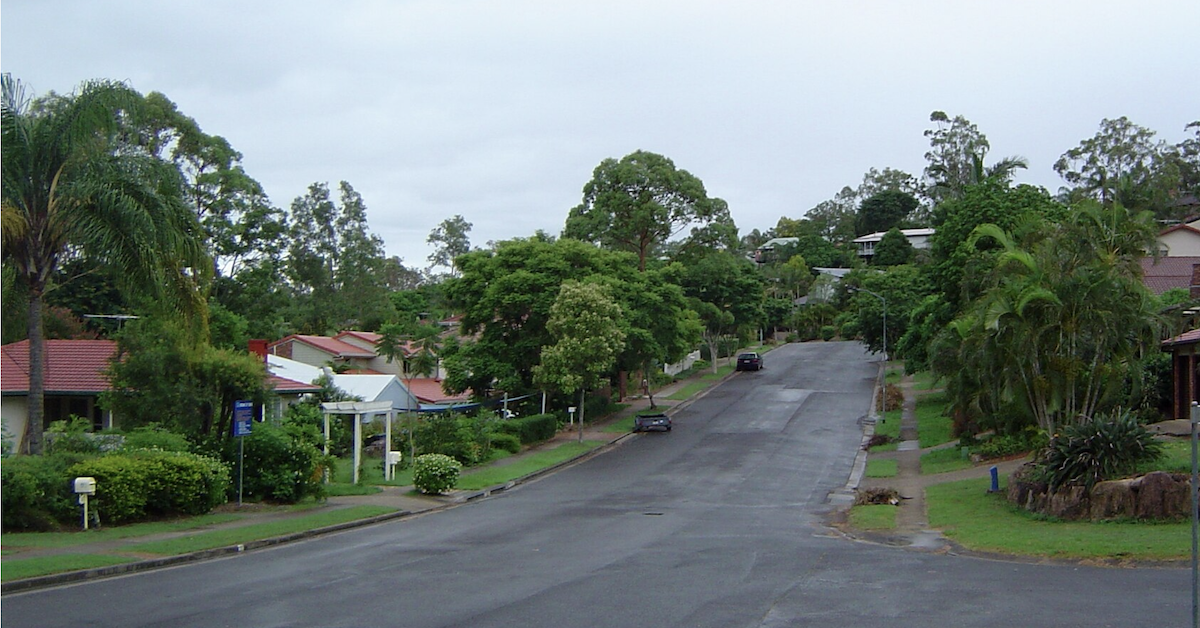
Kenmore is known for its leafy streets, busy roads and family homes, but the area also sits within a landscape of creeks, gullies and mature trees that still support native wildlife. This place is a mix of suburbia and habitat that helps explain why some animals that seem more suited to bushland or remote waterways have also been recorded in and around the district. Local survey reports, conservation material and public sighting posts point to three stand-out examples: platypus, powerful owls and echidnas.
Platypus Records Show Life in the Waterways Near Kenmore
Many people think of the platypus as a species found far from suburban streets, yet records linked to Brisbane’s western suburbs show they have persisted in local creek systems.


Reports have identified Moggill Creek as one of the places where platypus can be found around Brisbane. Local survey work by the Moggill Creek Catchment Group adds more weight to that picture.
In its 2016 survey report, volunteers recorded platypus sightings at several sites, including Branton Street in Kenmore, where two animals were seen at one location. Later updates from the same group said platypus activity in Gold and Moggill creeks had lifted in years with better water flow, which suggests local habitat conditions can make a real difference.

A 2022 post from Cr Greg Adermann said research had found the ward was home to four of Brisbane’s eight largest platypus populations, with Moggill Creek recording the highest number. Llocal monitoring was also being used to track how flooding, erosion and other environmental changes affect platypus survival.
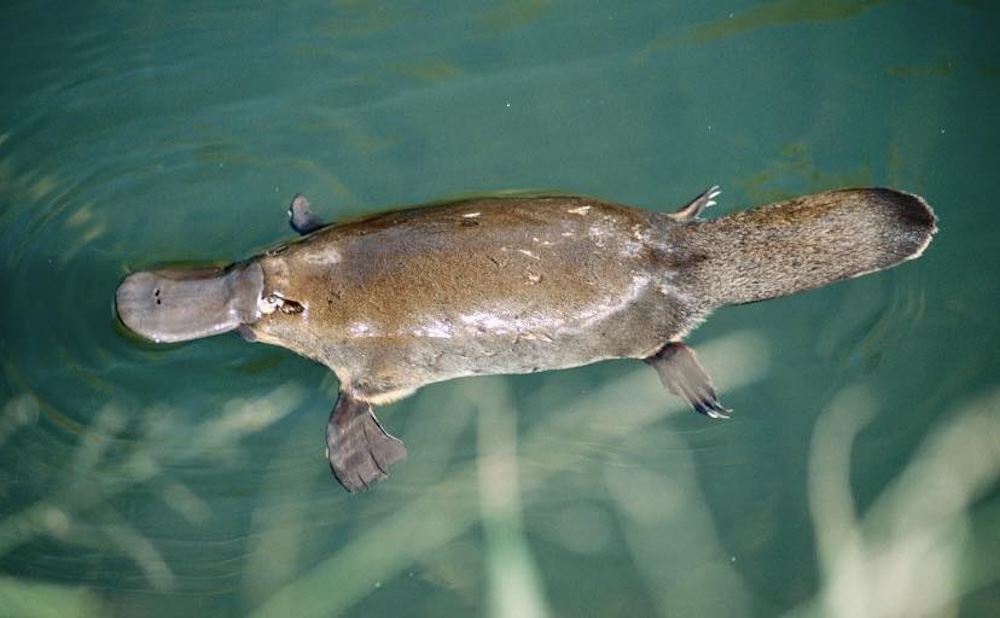
Their presence points to waterways that are still doing more than carrying runoff through the suburbs. It is an important habitat for one of Australia’s most distinctive native animals
Powerful Owls Still Hunt in the Leafier Parts of Brisbane’s West
The powerful owl brings a very different kind of surprise. It is Australia’s largest owl and a predator that depends on established habitat, including large trees and sheltered creek lines.
A wildlife newsletter published through the Moggill Creek Catchment Group says there are several powerful owl pairs in Brisbane’s west and specifically includes Kenmore Hills among the places where they occur. The same source explains that these owls use creek lines and gullies for roosting and nesting, while related conservation material notes that access to large hollows and prey can allow the species to survive in urban areas where enough habitat remains.


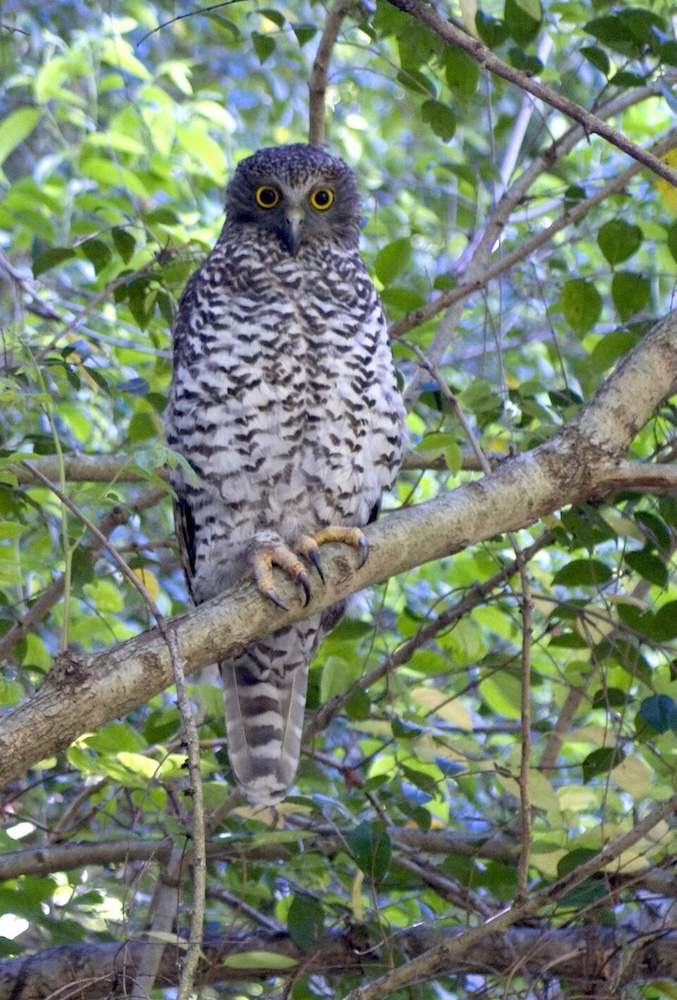
The idea of a large nocturnal hunter living close to suburban houses is unexpected. A powerful owl may not be seen on the school run or from the front yard, yet that is part of what makes the Kenmore area distinctive. The combination of tree cover, connected vegetation and nearby creek systems means some wildlife stays hidden in plain sight.
Echidna Sightings Suggest Native Animals Still Move Through Local Streets
Echidnas may look more familiar than platypus or powerful owls, but they still surprise people when they turn up in suburban gardens. A social post tied to Kenmore describes an echidna being spotted in a garden bed in Woonalee Street. The animal was large enough to attract attention straight away and was seen after dog barking drew a resident outside.
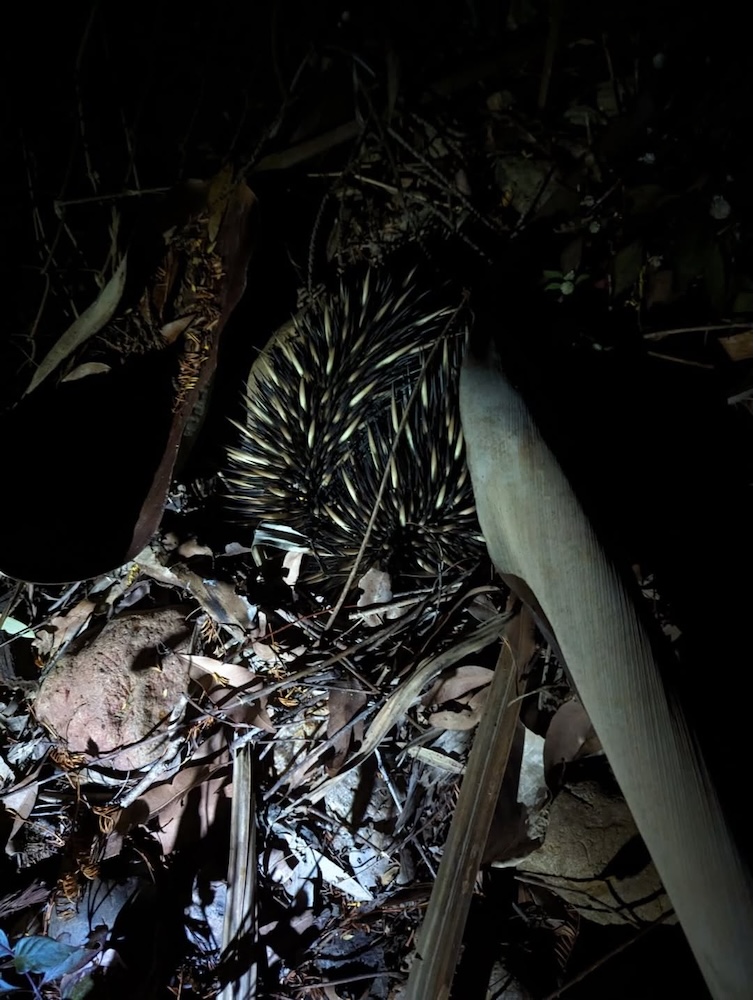
While this is not the same as a formal wildlife survey, they do offer a useful local clue about the kinds of animals that still pass through residential parts of the suburb. This sighting was not in a distant reserve or a remote national park.
This suggests green corridors and backyard habitat still help some native species move through the district, even in places shaped mostly by housing.
Kenmore’s Creeks, Gullies and Mature Trees Help Explain These Sightings
Kenmore sits within a broader western suburbs network of creeks and vegetated corridors, and that helps support different kinds of wildlife in different ways. Platypus depend on functioning waterways. Powerful owls rely on tree cover, prey and nesting sites. Echidnas need room to move through connected patches of habitat.
It also shows the value of local observation. Formal surveys, conservation newsletters and public sighting posts each reveal a different part of the picture. When those pieces are read together, they suggest that the Kenmore district holds more wildlife than many people might assume at first glance. The natural systems around Kenmore are still active.
Published 21-April-2026