



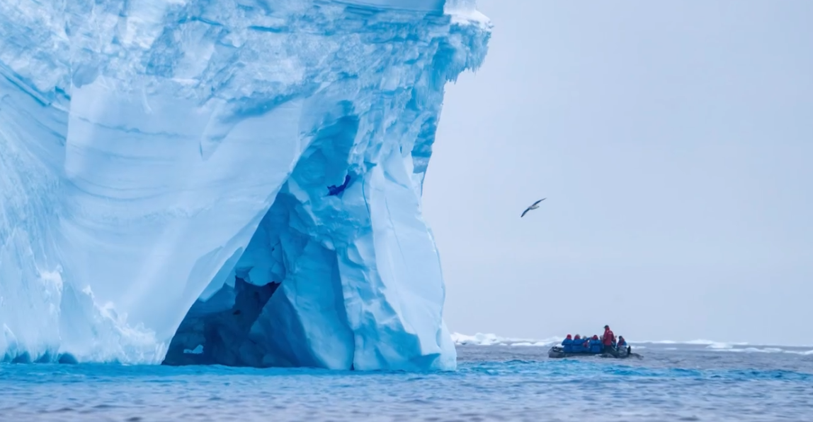
Most people spend Christmas close to home. Michael Fitzgerald spent his at the bottom of the world.
When the former President of the Queensland Law Society, and a member of the Rotary Club of Kenmore, for many decades boarded an Antarctic expedition last December, it wasn’t simply another holiday booking. For the intrepid adventurer, it was a journey into one of the most remote and awe-inspiring places on Earth.
Now a senior leader with St Vincent de Paul Society Queensland, and a Rotarian for many decades, Michael has devoted much of his life to service — raising funds and volunteering across West Brisbane, Queensland, Australia and overseas. Service, for him, has never been a slogan. It has been a way of life.


Last year, just before Christmas, that life of contribution paused briefly for something altogether different: a voyage across the Southern Ocean to Antarctica.
A Southern Departure
On 11 December 2025, Michael travelled to Hobart where he joined around 120 fellow passengers boarding the Douglas Mawson, Aurora Expeditions’ purpose-built polar vessel.

The voyage — Mawson’s Antarctica — retraced elements of the historic Australasian Antarctic Expedition led by Sir Douglas Mawson between 1911 and 1914. It was not a cruise in the traditional sense. It was an immersion.
For several days after leaving Hobart, the ship pressed south across the Southern Ocean — a stretch of water famed for its power and unpredictability.
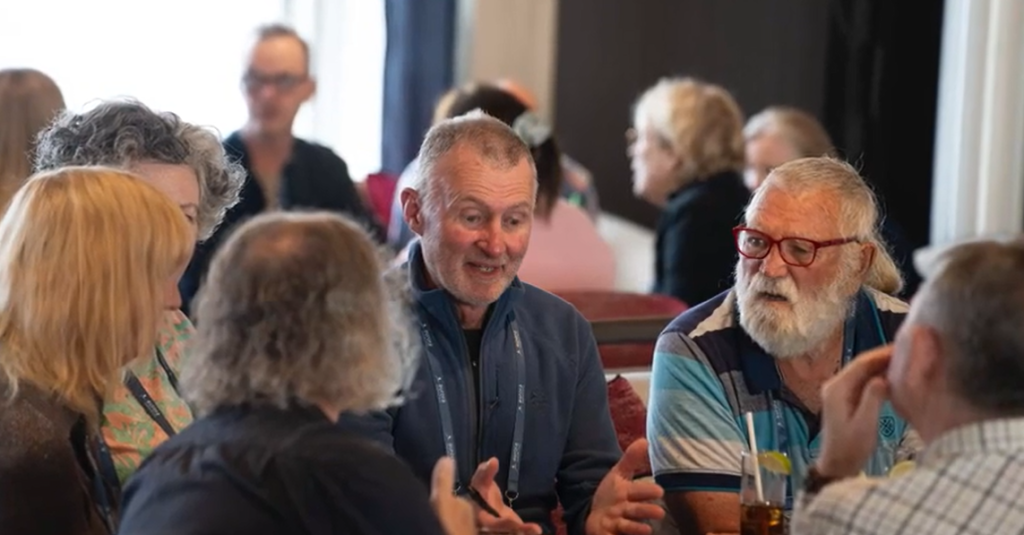
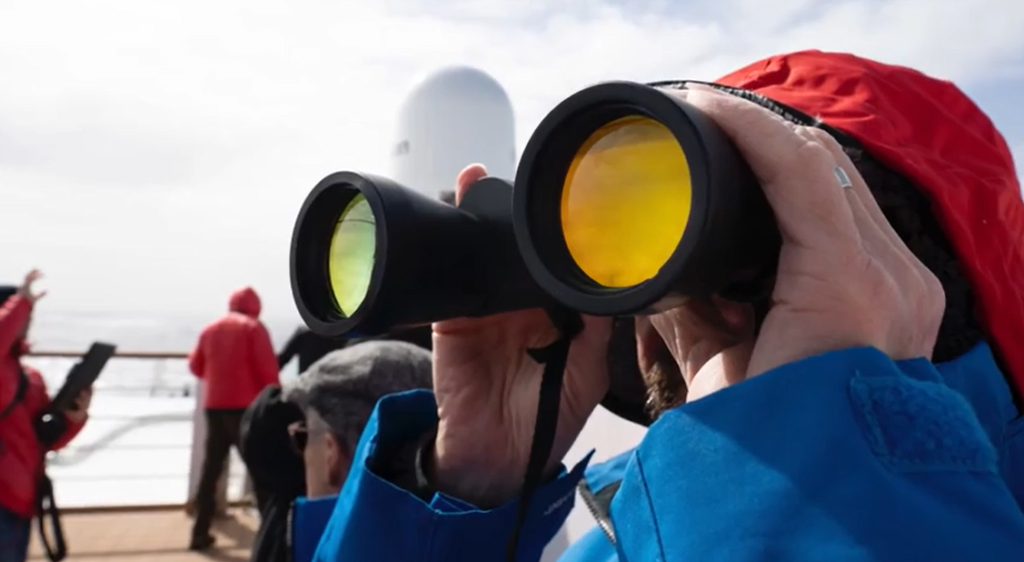
Passengers settled into the rhythm of expedition life: briefings, lectures from polar experts, wildlife spotting from observation decks, and the gradual mental shift from civilisation to wilderness.
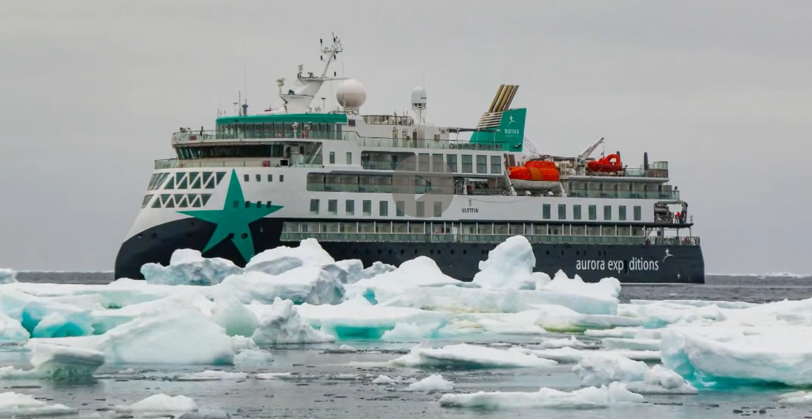
The Douglas Mawson is designed specifically for these voyages. With a high ice-class rating, stabilisers for heavy seas, hydraulic viewing platforms and multiple Zodiac landing craft, the ship blends expedition capability with contemporary comfort.


Interiors by Swedish maritime designer Tomas Tillberg prioritise light-filled observation spaces — a reminder that on this journey, the outside world is the main event.
Entering East Antarctica
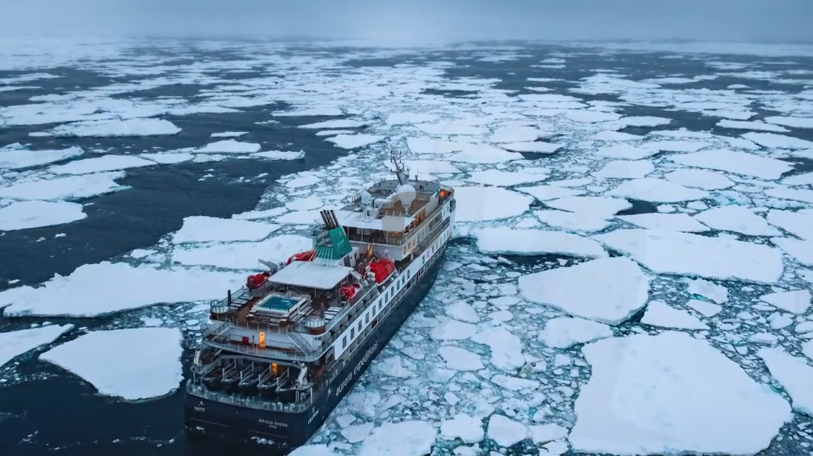
As the vessel crossed into Antarctic waters, the landscape transformed.

Icebergs the size of city blocks drifted silently through steel-grey seas. Pack ice thickened. The air sharpened.
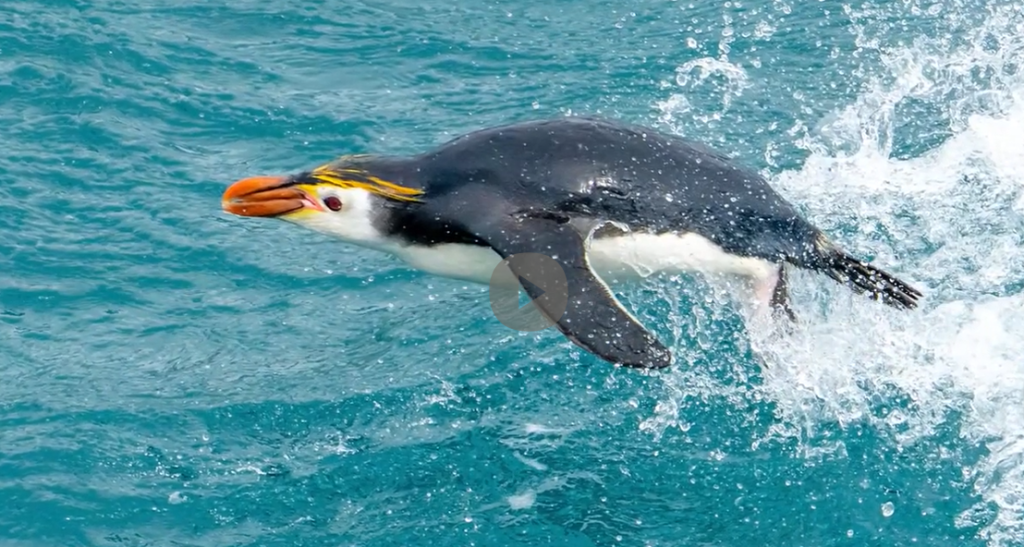
Wildlife appeared — Adélie penguins porpoising through the water, Weddell seals resting on floes, and the exciting appearance of a whale on the horizon.


One of the voyage’s key objectives is reaching Cape Denison in Commonwealth Bay. Cape Denison is the site of Mawson’s original expedition huts and one of the windiest places on Earth.
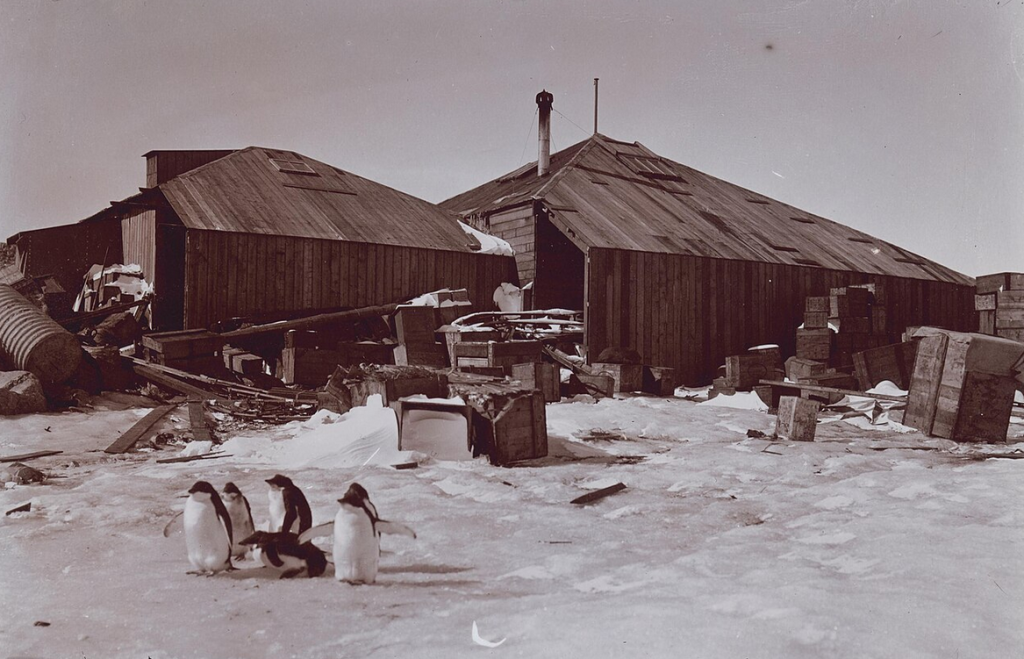
Every expedition that stops here. weather permitting, land to view the preserved structures that remain as testimony to early Antarctic exploration.
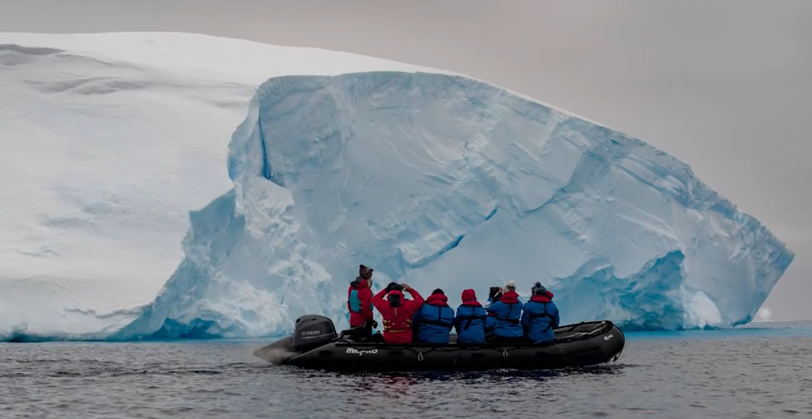
Another milestone of the trip is crossing the Antarctic Circle — a symbolic achievement marking entry into one of the planet’s most remote latitudes. It is less about ceremony and more about perspective: realising just how far from home one has gone.

On the return leg, the expedition passed through New Zealand’s Subantarctic Islands before concluding in Dunedin a few days after the New Year — a gradual reintroduction to green hills and human settlement after weeks of white and blue.
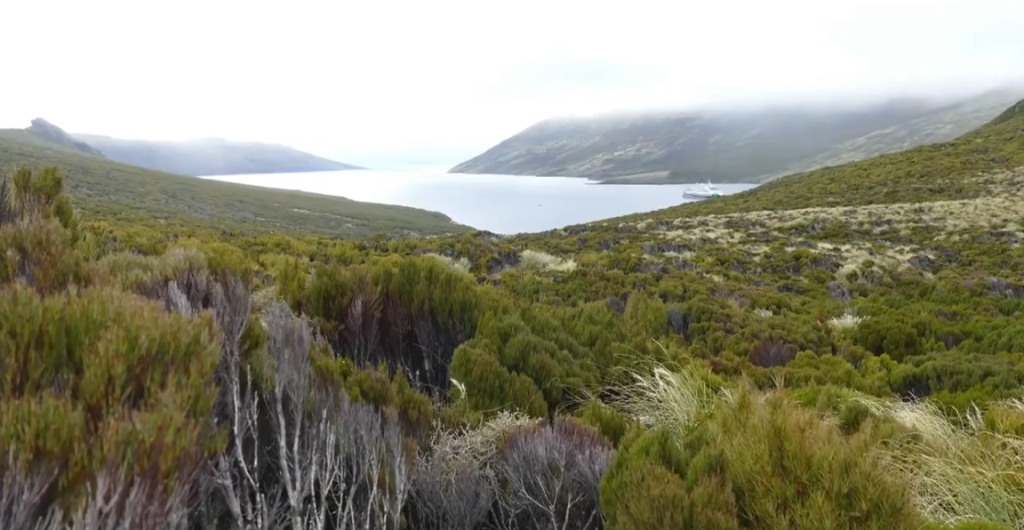
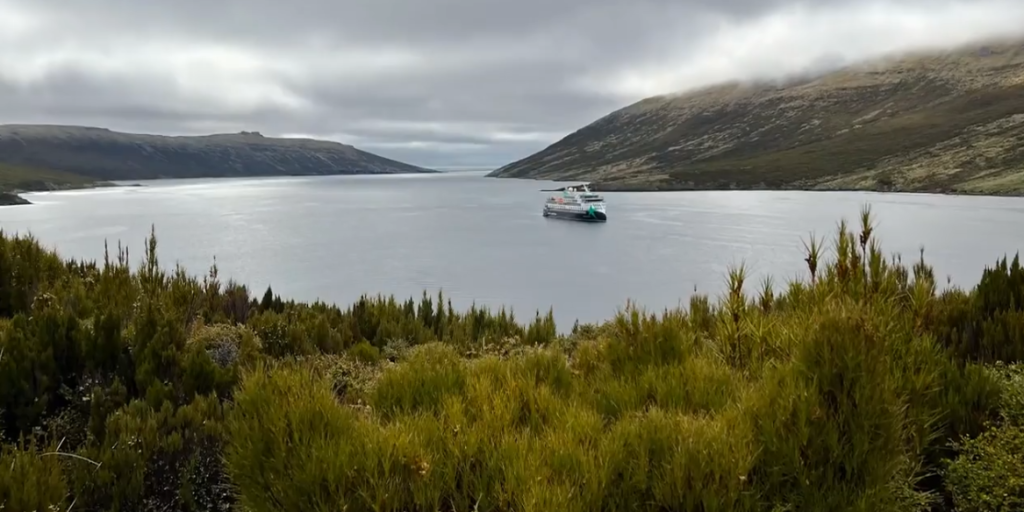
Through Michael’s Lens
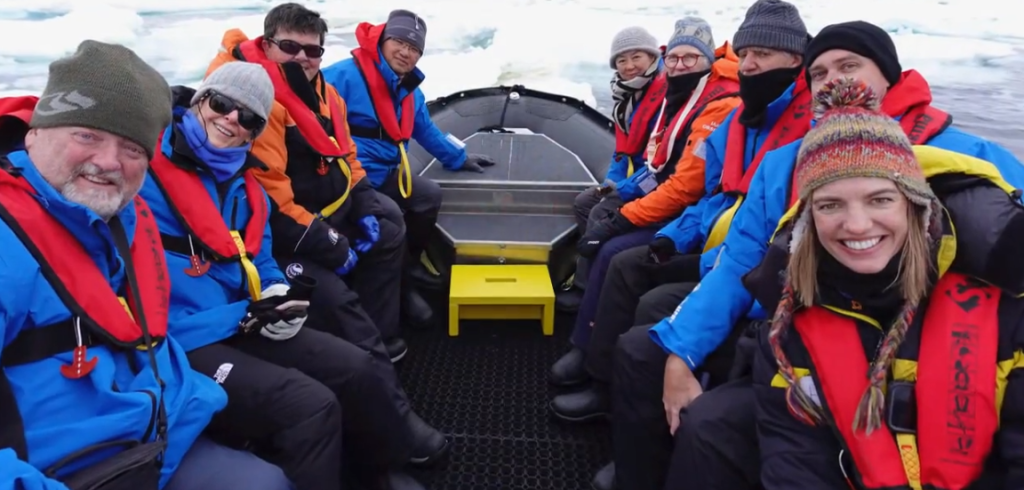
During his trip, the photographs that Michael took spoke volumes — sweeping icescapes stretching to the horizon; close encounters with wildlife; the camaraderie of people experiencing the same wonder and awe; and the remarkable glow of Antarctic light lingering at midnight.
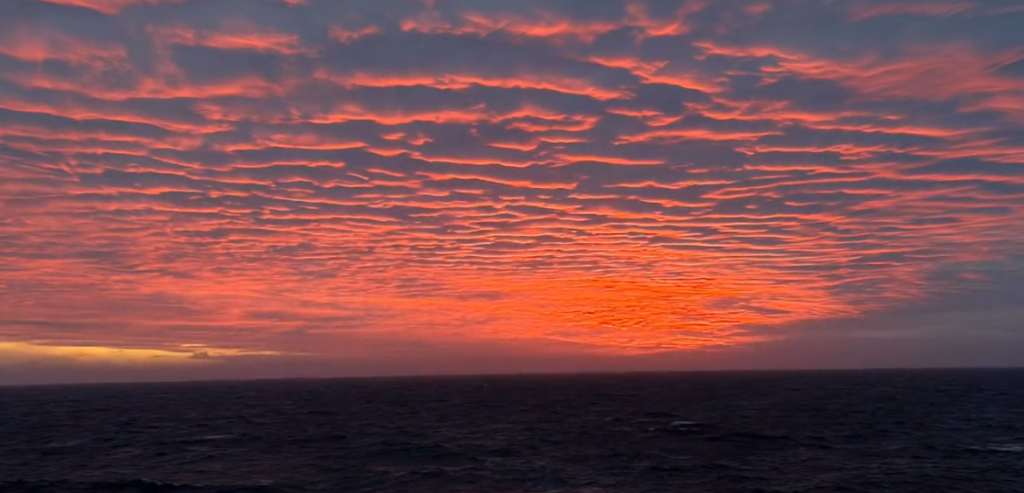
The expedition’s historic and exploratory nature, the flexibility required by weather and ice conditions, and the contrast between the raw Southern Ocean crossing and the stillness of Antarctic coastlines all form part of the experience.
Crossing the Antarctic Circle brings with it a quiet sense of achievement. A reminder that few people on Earth get to experience the privilege of standing in that latitude.
Five Things You Probably Didn’t Know About Antarctica
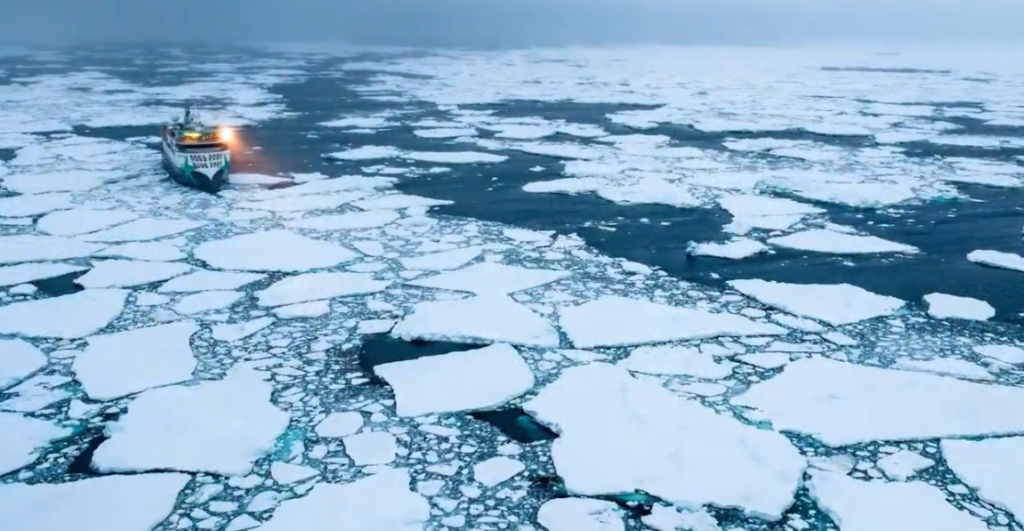
Antarctica is far more complex than a continent of snow and ice.
1. Antarctica holds around 70% of the world’s fresh water.
Most of it is locked in ice sheets kilometres thick. Early explorers sometimes licked surface ice for moisture, unaware that the salt content and extreme cold could worsen dehydration.
2. It has active volcanoes.
Among them is Mount Erebus, one of the few volcanoes on Earth with a persistent lava lake beneath its icy slopes.
3. There is a blood-red waterfall.
At Blood Falls in the McMurdo Dry Valleys, iron-rich subglacial water emerges from beneath a glacier. When exposed to oxygen, it oxidises, turning deep red — as though the ice itself were bleeding.
4. The coldest temperature ever recorded on Earth — −98°C — was measured on the Antarctic Plateau.
At those extremes, exposed skin can freeze in minutes.
5. There are lakes hidden beneath kilometres of ice.
Lake Vostok lies under roughly four kilometres of ice and has been sealed off for millions of years. Scientists believe unique microbial life may have evolved there in complete darkness and immense pressure.
A Quiet Local Connection
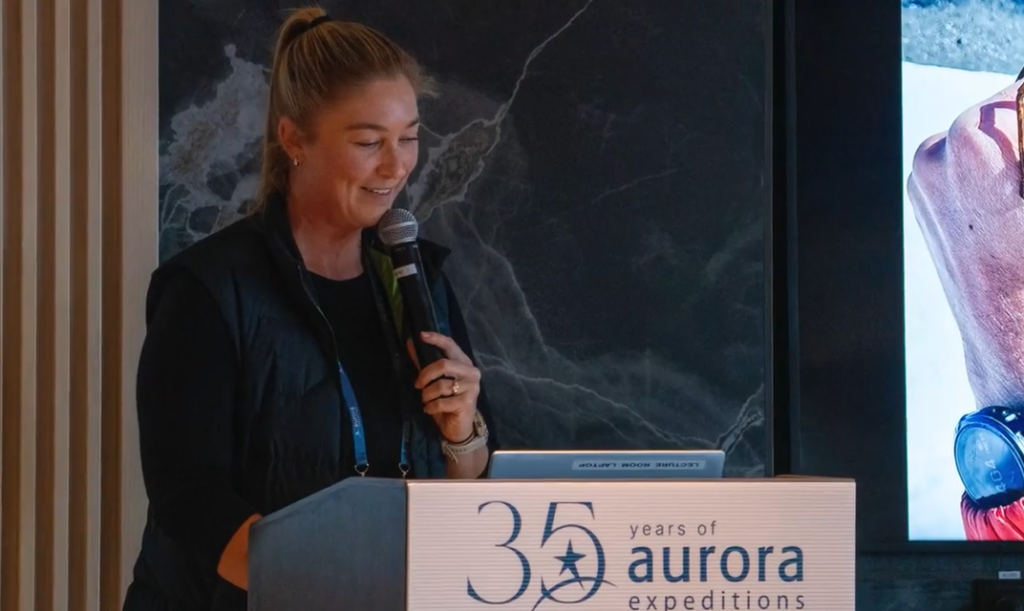
For a complex expedition involving polar preparation, Southern Ocean crossings and remote logistics, experienced travel advisors can help ensure every detail is carefully managed behind the scenes. Michael’s booking was arranged through Travel Associates Kenmore Village, known locally as Yee & Turner Travel Associates.

For Michael, this trip was never just about another stamp in the passport.
It became a chapter — one that reflects the character of a Kenmore community leader who, after decades devoted to law, charity and Rotary service, chose to spend Christmas embracing adventure at the bottom of the world.
That choice speaks not of restlessness, but of curiosity.
Because even after a lifetime of contribution, there is still wonder to pursue — and horizons worth chasing.
Published 12 February 2026