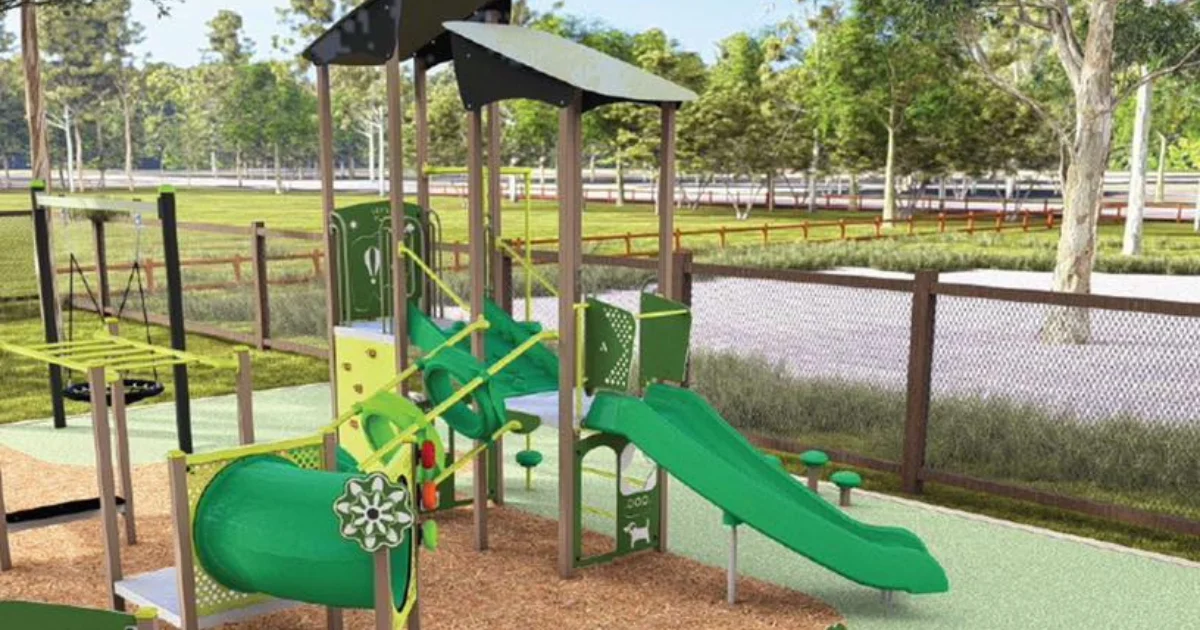
Families who regularly make use of the Brookfield Recreational Reserve have something to look forward to. Work is now underway to replace the park’s ageing playground equipment, with a brand new play space set to be unveiled by late April.
The upgrade kicked off on 23 February, with the old equipment being removed and a fresh installation taking its place. A new pathway will also be installed as part of the works.
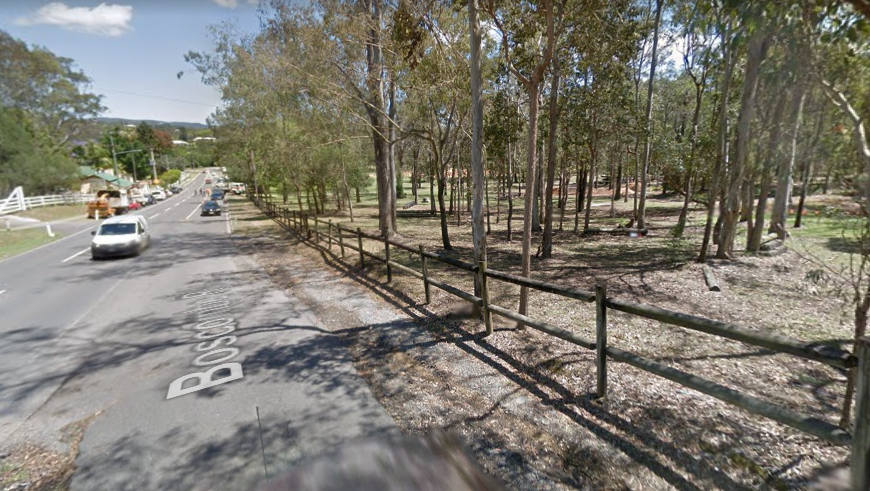
Residents walking past will have noticed the picnic area has been fenced off for the duration of the project. Beyond that, disruption to park users is expected to be minimal and the rest of the reserve remains open while the work is completed. The project is listed as running through to 20 April 2026.
Photo credit: Google Street View
Parks like the Brookfield Recreational Reserve are the sort of places that quietly anchor a neighbourhood. Where kids have grown up playing, families gather on weekends, and the odd dog walk turns into a lingering chat with a neighbour. Seeing the equipment refreshed is a tangible sign that the space is being looked after.
Cr Greg Adermann announced the project and shared a render of what the finished playground will look like, giving residents a first glimpse of the new equipment before it’s even out of the ground.
Also in Brookfield, works at Blackbutt Place Park are scheduled to wrap up by the end of this month. The project, which has been underway since November last year, involves upgrading the lighting near the park’s dog off leash area. The upgraded lighting is expected to improve safety and amenity for park users after dark.
A Brookfield property that couldn’t be walked through, hadn’t been cleaned out, and went to auction without buyers ever setting foot inside just sold for $1.281 million, with 40 registered bidders turning up to try their luck.
The property at 77 Nioka Street went under the hammer on 10 February, listed and auctioned by the Queensland Public Trustee.
The listing was refreshingly blunt about what buyers were in for: “Please note that this property is heavily overgrown and the house is full of items. There is a great deal to do, but the pay-off is there in the long run with this amazing hectare of land in one of Brisbane’s most exclusive suburbs.”
Photo credit: The Public Trustee of Queensland
No inspections were permitted. No price guide was offered. And still, 40 people registered to bid.
So what were they actually buying? On paper, it’s a solid brick four-bedroom home with a dining and living room, study, kitchen, basement, double carport and a non-certified pool — all sitting on a full hectare of land just 17 kilometres west of the Brisbane CBD.
Photo credit: The Public Trustee of Queensland
In practice, it’s hard to look past the land as the primary drawcard. Brookfield has long been known as a suburb where large blocks rarely change hands, bordering Kenmore and Chapel Hill in the city’s sought-after western corridor.
The listing painted a vivid picture of the potential: “If this secluded paradise wasn’t enough, you’re also surrounded by lots of beautiful green spaces with hikes and views galore. Local natural attractions include Moggill Conservation Park, Gap Creek Reserve, JC Slaughter Falls, Gold Creek Reservoir, Brookfield Showgrounds and Mount Coot-tha Forest to name a few.
Photo credit: The Public Trustee of Queensland
“This is an amazing opportunity to turn this large block into your own slice of paradise. Take inspiration from your neighbours with large country style homes, pools, tennis courts, or design it your way.”
Photo credit: The Public Trustee of Queensland
Anyone surprised by the result hasn’t been watching the Brisbane market closely. According to PropTrack, Greater Brisbane’s median house price hit a new record of $1.203 million in February 2026, a rise of 14.7 per cent in just the past year, cementing the city’s position as Australia’s second most expensive capital city behind Sydney.
That kind of growth has a predictable effect on buyer behaviour. When a hectare in Brookfield hits the market, even one that requires considerable work to bring back to its potential, serious buyers pay attention. Brisbane’s housing supply has remained persistently below demand, with population growth creating pressure for tens of thousands of new dwellings that simply haven’t been built, a dynamic that continues to fuel competition across the market.
For the buyer of 77 Nioka Street, the road ahead is considerable. There’s a property to clear, an overgrown block to tame, a pool to certify, and an entire renovation to plan from scratch. But in a suburb where neighbours have built country-style homes with pools and tennis courts on similar-sized blocks, the upside is easy enough to see, which is precisely why 39 others registered to bid.
Before taking on his current role, Mr Hobson was a familiar face in the local café scene. He and his wife Tamara ran the popular Moccabella Café at Bellbowrie Plaza and One Table Cafe at Kenmore Hills for many years before stepping back from the demands of small business life.
When the couple stepped back from the demands of running a small business, Mr Hobson took on a new role serving the community. He joined Southern Cross Transit as a school bus driver, driving the semi-rural S60 route linking Chuwar and Indooroopilly, a run that clocks up roughly 160 kilometres each day.
For some students, the daily commute stretches to nearly two hours each way, so Mr Hobson has made it his business to ensure the journey is something kids actually look forward to. Fridays have become a highlight, with music trivia and sing-alongs a regular fixture, and no birthday goes unmarked — the whole bus joins in for a chorus of “Happy Birthday.”
About the awards
Photo credit: Translink
The Queensland Bus Driver of the Year Awards are run by Translink to recognise drivers who go above and beyond to make travel safe, friendly and reliable for everyday Queenslanders.
This year, more than 1,300 nominations came in from across the state. From that pool, a judging panel selected nine finalists across three categories:
South East Queensland Bus Driver of the Year — recognising drivers serving the state’s busiest urban communities
Regional Bus Driver of the Year — honouring those keeping passengers connected in rural and remote Queensland
School Bus Driver of the Year — celebrating drivers dedicated to getting children to and from school safely every day
Mr Hobson is one of three finalists in the School Bus Driver of the Year category, competing for a title that recognises drivers dedicated to getting children to and from school safely every day.
Voting for the 2025 Queensland Bus Driver of the Year Awards is open now and every vote counts. To support Mr Hobson in the School Bus Driver of the Year category, head to Translink’s official voting page and select Colin Hobson.
According to Cr Greg Adermann, who publicly backed Mr Hobson’s nomination, it is precisely his customer service mindset that sets him apart.
“I hope the many local residents who know his obsession with providing good customer service will do likewise,” Cr Adermann wrote, urging followers to cast their votes.
Votes must be submitted before 11:59pm AEST on Sunday 22 March 2026. Winners will be announced in April 2026.
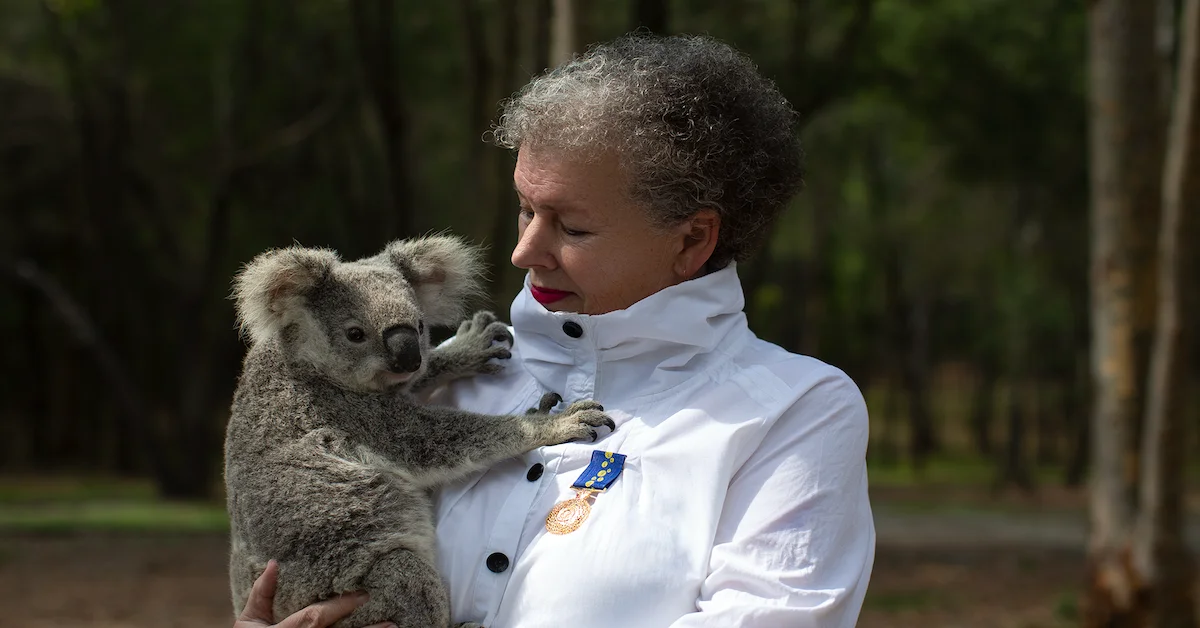
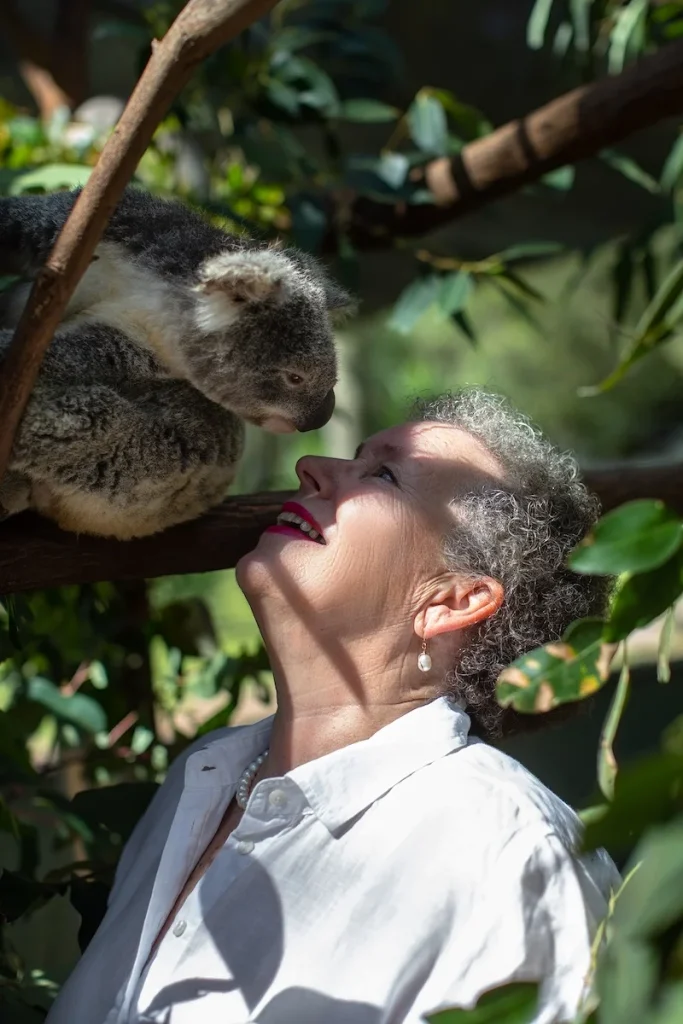
As Australia marks International Women’s Day, one of the country’s longest-serving wildlife advocates is being recognised for nearly four decades spent campaigning to protect one of the nation’s most iconic animals. Brookfield resident Deborah Tabart OAM, chair of the Australian Koala Foundation (AKF), has dedicated almost 40 years to raising awareness about the decline of koalas and pushing governments to strengthen protections for the species and its habitat.
Often referred to as “the Koala woman”, Ms Tabart has been a central figure in the conservation movement since the late 1980s. Over that time, she has helped turn what was once considered a niche environmental issue into a national conversation about the future of koalas in Australia.
This year also marks a milestone for the organisation she leads. The Australian Koala Foundation is celebrating its 40th anniversary – four decades of research, advocacy and campaigning aimed at safeguarding the species and the forests they depend on.
Photo Credit: Supplied
For much of that time, Ms Tabart has been one of the loudest voices calling for stronger protection.
Long before koalas were officially recognised as a threatened species in parts of Australia, she was warning of population declines and the impact of land clearing, urban development and habitat fragmentation.
Those concerns were formally recognised in 2022 when the conservation status of koalas in Queensland, New South Wales and the Australian Capital Territory was upgraded from vulnerable to endangered.
Conservation groups, including the Australian Koala Foundation, had spent years urging the federal government to acknowledge the severity of the decline.
Ms Tabart has also advocated for national legislation to protect koala habitat, including a proposed Australian Koala Protection Act. This is law she believes would provide stronger safeguards for the species across the country.
While much of her work has involved lobbying policymakers and speaking internationally about wildlife conservation, Ms Tabart’s advocacy has always been rooted close to home.
From her base in Brisbane’s western suburbs, she has helped lead campaigns to protect koala habitat and draw attention to the pressures facing the species in rapidly growing urban areas.
As the Australian Koala Foundation enters its fifth decade, the focus remains on the same challenge that first drew Ms Tabart into the cause: ensuring that koalas continue to survive in the wild.
Lone Pine Koala Sanctuary at 708 Jesmond Road, Fig Tree Pocket has launched a new Twilight Koala Experience, an exclusive after-hours wildlife encounter designed specifically for corporate groups, incentive programs and private functions of up to 100 guests. While the evening offering focuses on this intimate scale, the sanctuary has also expanded its daytime capacity to accommodate significantly larger delegations within standard operating hours.
The new offering adds an evening dimension to one of Brisbane’s most iconic destinations, giving corporate visitors a guided koala encounter led by the sanctuary’s wildlife team after the regular day visitors have gone home. Groups can also include an after-dark wildlife tour of the sanctuary’s nocturnal precinct, drinks and dinner at the Riverside Café overlooking the Brisbane River, and the option of arriving by river cruise rather than road, a touch that taps into the sanctuary’s long history as a river destination that dates back nearly a century.
For Kenmore and Fig Tree Pocket residents, the development is a reminder of just how significant their local landmark is on the broader tourism and events map, and how it continues to evolve nearly a hundred years after it first opened.
A Heritage Site With a New Chapter
Lone Pine Koala Sanctuary opened in 1927 as a refuge for sick, injured and orphaned koalas at a time when the species was being killed for its fur, founded by conservationist Claude Reid with just two koalas named Jack and Jill. The sanctuary’s name comes from a solitary hoop pine planted by the Clarkson family on the original 4.6-hectare site, and the complex has grown through amalgamated land purchases to its current 18 hectares along the northern bank of the Brisbane River.
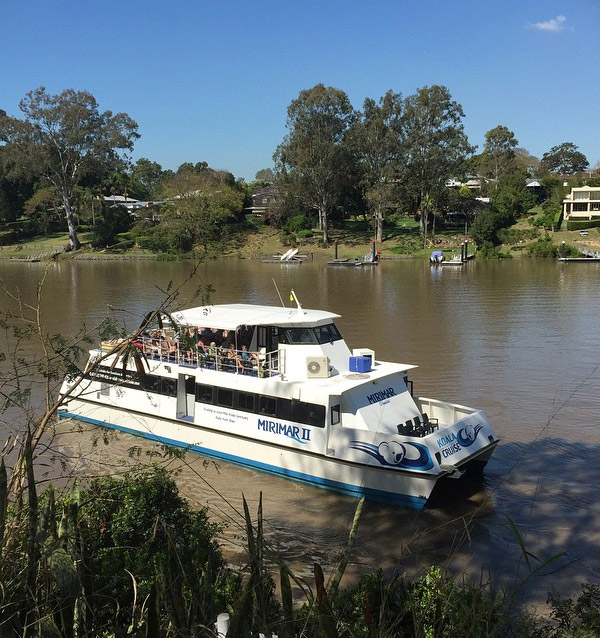
From its earliest days, the sanctuary was marketed as a river destination, promoted as “the most beautiful trip in Australia” at a time when Brisbane families were discovering the leisure possibilities of the motor car. That river connection has never been lost. The Mirimar river cruise has been ferrying passengers from South Bank to Lone Pine for more than 70 years, and the new corporate offering explicitly includes arrival by river as a premium option, connecting modern corporate guests to the same scenic journey that Brisbane families have taken across generations.
During the Second World War, Lone Pine gained international recognition when American servicemen stationed in Brisbane visited the sanctuary to see native Australian wildlife, including a famous visit from General Douglas MacArthur’s wife, Jean. Today it holds Guinness World Records recognition as the world’s first and largest koala sanctuary, housing over 100 koalas and more than 70 species of native Australian wildlife across its riverside bushland setting.
What the Twilight Koala Experience Offers Corporate Groups
The Twilight Koala Experience was developed in direct response to Brisbane’s growing corporate events sector and the increasing appetite for premium, after-hours experiences that feel uniquely Australian. The guided koala encounter is led by the sanctuary’s wildlife team, giving guests close contact with the animals alongside education about koala conservation and Lone Pine’s ongoing commitment to wildlife protection.
The corporate package is designed as a complete event solution, combining the wildlife encounter with dining at the Riverside Café, the option of a full after-dark tour of the nocturnal precinct where Tasmanian devils, wombats, echidnas and small macropods can be observed in their natural evening behaviours, and arrival by river cruise from South Bank’s Cultural Centre Wharf. The setting, just 12 kilometres from Brisbane’s CBD, makes Lone Pine accessible for conference delegates and incentive groups without the logistics of a long transfer.
Beyond the new twilight offering, Lone Pine is also expanding its daytime corporate and incentive programmes, enabling the sanctuary to host significantly larger groups within standard operating hours. General manager Lyndon Discombe noted that corporate groups are no longer seeking standard event venues but meaningful experiences that create purpose and connection, and that the daytime expansion provides flexibility for conference organisers seeking scale and accessibility in a single venue.
Plan Your Visit
Lone Pine Koala Sanctuary is located at 708 Jesmond Road, Fig Tree Pocket, approximately 12 kilometres from Brisbane’s CBD. The sanctuary is open every day from 9am to 5pm for general visitors. The Mirimar river cruise departs from Cultural Centre Wharf at South Bank at 10am daily, arriving at Lone Pine approximately 75 minutes later, with the return journey departing at 1.30pm.
Corporate event enquiries and bookings can be made through their website. General admission tickets and wildlife encounter bookings are available here. The sanctuary can also be reached directly on (07) 3378 1366.
Sat, February 21, 2026 (Allianz Stadium) – A-League – Men – Round 18 • Sydney FC 1 | Brisbane Roar FC 0
Sun, February 22, 2026 (Spencer Park) – A-League – Women – Round 18 • Brisbane Roar FC 0 | Adelaide United FC 2
Sat, February 21, 2026 (St Georges Park – St George Willawong FC – Field 1) – FQPL1 – Men – Round 1 • St George Willawong 1 | Broadbeach United 5
Fri, February 20, 2026 (Bulimba Memorial Park – Southside Eagles FC – Field 1) – Kappa Pro Series – Women – Regional Round 1 • Southside Eagles 0 | UQFC 0
Fri, February 20, 2026 (Walton Bridge Reserve – The Gap FC – Field 1) – Kappa Pro Series – Women – Regional Round 1 • The Gap FC 0 | Logan Lightning 2
Sat, February 21, 2026 (Goodwin Park – Olympic FC – Field 1) – NPL – Men – Round 1 • Olympic FC 2 | Lions FC 1
Sun, February 22, 2026 (Meakin Park – Field 1) – NPL – Men – Round 1 • Brisbane Roar B 1 | Brisbane City 3
Sat, February 21, 2026 (Heath Park – Eastern Suburbs FC – Field 1) – NPL – Women – Round 3 • Eastern Suburbs 4 | Brisbane City 2
Sat, February 21, 2026 (Goodwin Park – Olympic FC – Field 1) – NPL – Women – Round 3 • Olympic FC 0 | Lions FC 0
Fri, February 20, 2026 (Brisbane Entertainment Centre) – NBL – Men – Round 22 • Brisbane Bullets 77 | Sydney Kings 117
Sat, February 21, 2026 (The Gabba) – One Day Cup 2025-26 – Men – Match 6 • Queensland Bulls 260 | South Australia Men 135
Sat, February 14, 2026 & Sat, February 21, 2026 (2 Day – Wep Harris Oval) – Queensland Premier Cricket – Men 1st Grade – Round 14 • University of Queensland Mens 1st Grade 6-251 | Valley Mens 1st Grade 8-262
Sun, February 22, 2026 (Kerry Emery Oval – One Day) – Queensland Premier Cricket – Women 1st Grade – Round 21 • Sunshine Coast Womens 1st Grade 111 | Valley Womens 1st Grade 9-235
Sat, February 14, 2026 & Sat, February 21, 2026 (2 Day – Trevor Hohns Field) – Queensland Premier Cricket – Men 1st Grade – Round 14 • Sandgate-Redcliffe Mens 1st Grade 6-322 | Western Suburbs Mens 1st Grade 3-324
Most people spend Christmas close to home. Michael Fitzgerald spent his at the bottom of the world.
When the former President of the Queensland Law Society, and a member of the Rotary Club of Kenmore, for many decades boarded an Antarctic expedition last December, it wasn’t simply another holiday booking. For the intrepid adventurer, it was a journey into one of the most remote and awe-inspiring places on Earth.
Now a senior leader with St Vincent de Paul Society Queensland, and a Rotarian for many decades, Michael has devoted much of his life to service — raising funds and volunteering across West Brisbane, Queensland, Australia and overseas. Service, for him, has never been a slogan. It has been a way of life.
Last year, just before Christmas, that life of contribution paused briefly for something altogether different: a voyage across the Southern Ocean to Antarctica.
A Southern Departure
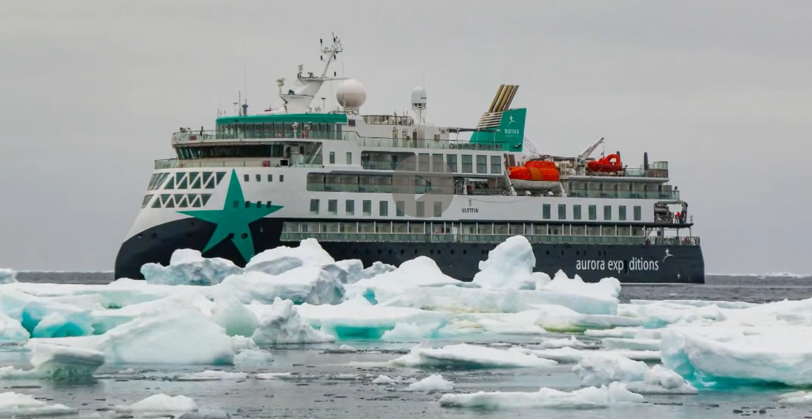
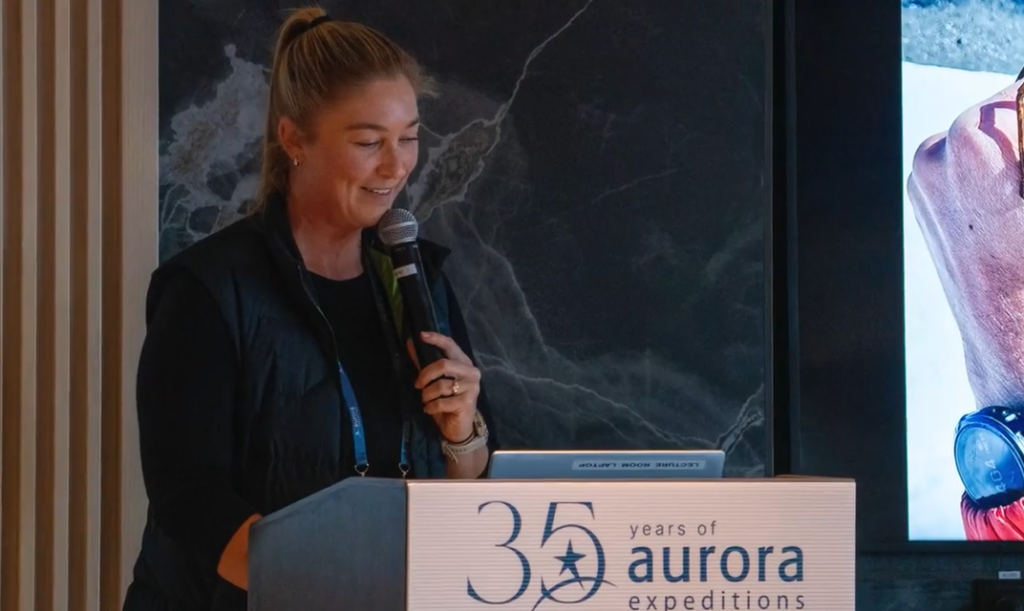
On 11 December 2025, Michael travelled to Hobart where he joined around 120 fellow passengers boarding the Douglas Mawson, Aurora Expeditions’ purpose-built polar vessel.
The voyage — Mawson’s Antarctica — retraced elements of the historic Australasian Antarctic Expedition led by Sir Douglas Mawson between 1911 and 1914. It was not a cruise in the traditional sense. It was an immersion.
For several days after leaving Hobart, the ship pressed south across the Southern Ocean — a stretch of water famed for its power and unpredictability.
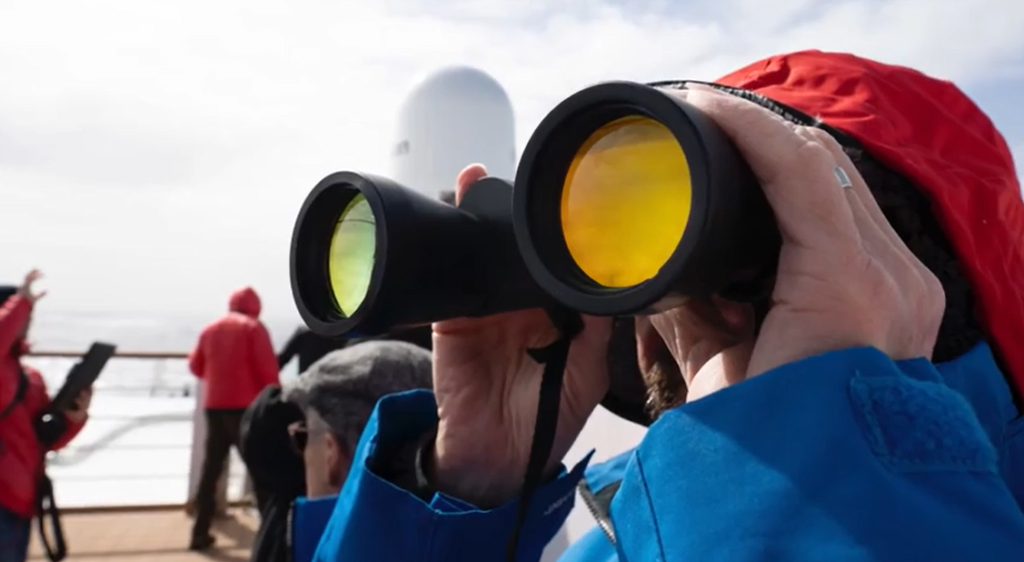
Passengers settled into the rhythm of expedition life: briefings, lectures from polar experts, wildlife spotting from observation decks, and the gradual mental shift from civilisation to wilderness.
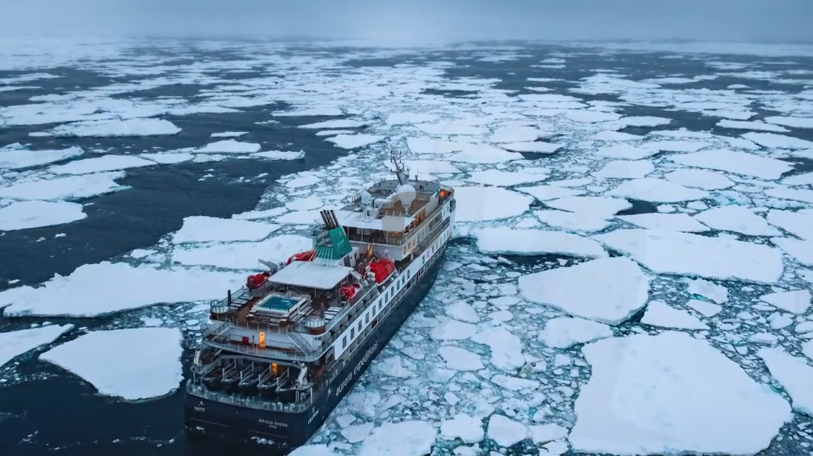
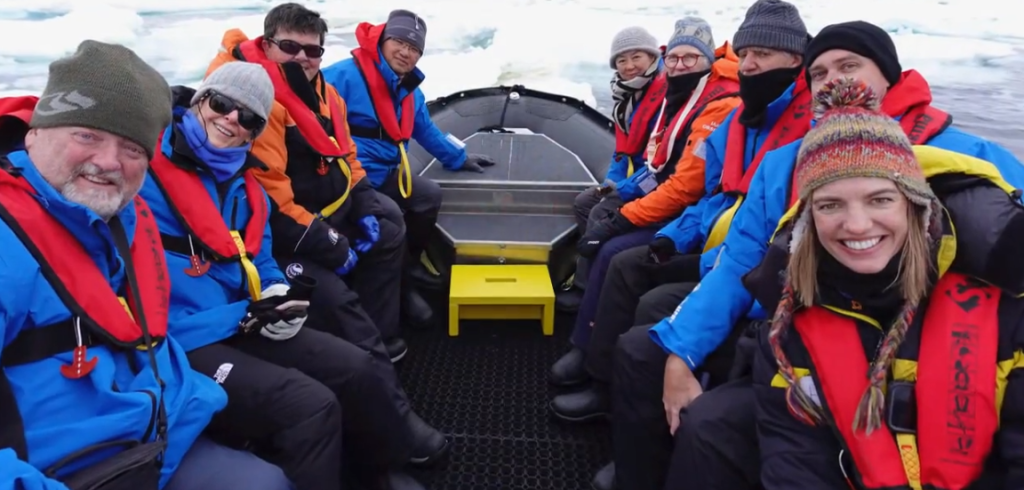
The Douglas Mawson is designed specifically for these voyages. With a high ice-class rating, stabilisers for heavy seas, hydraulic viewing platforms and multiple Zodiac landing craft, the ship blends expedition capability with contemporary comfort.
Interiors by Swedish maritime designer Tomas Tillberg prioritise light-filled observation spaces — a reminder that on this journey, the outside world is the main event.
Entering East Antarctica
As the vessel crossed into Antarctic waters, the landscape transformed.
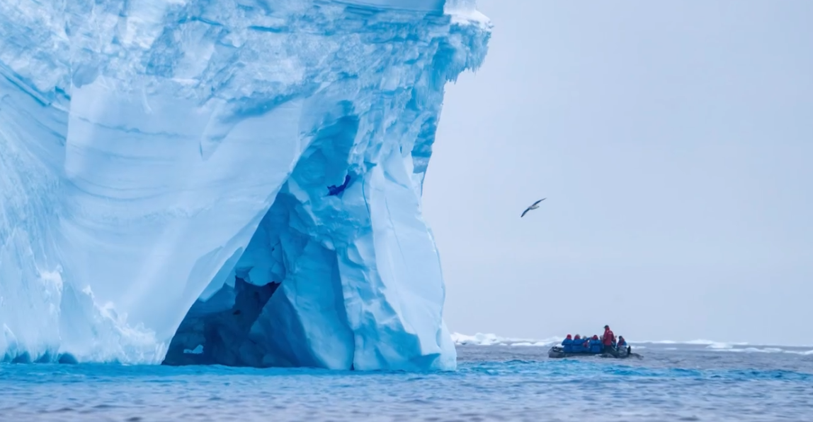
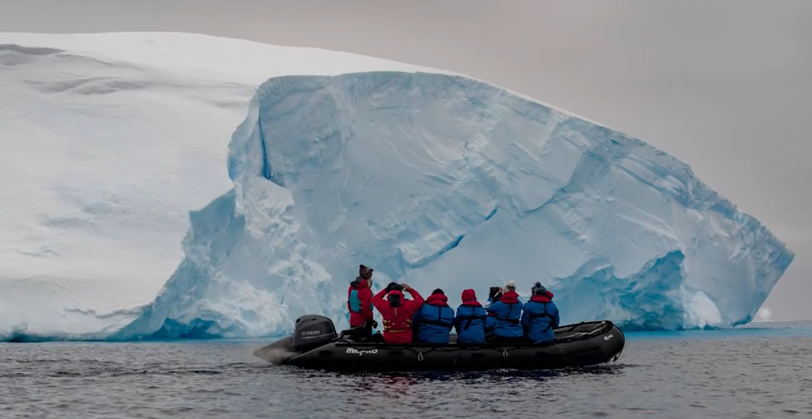
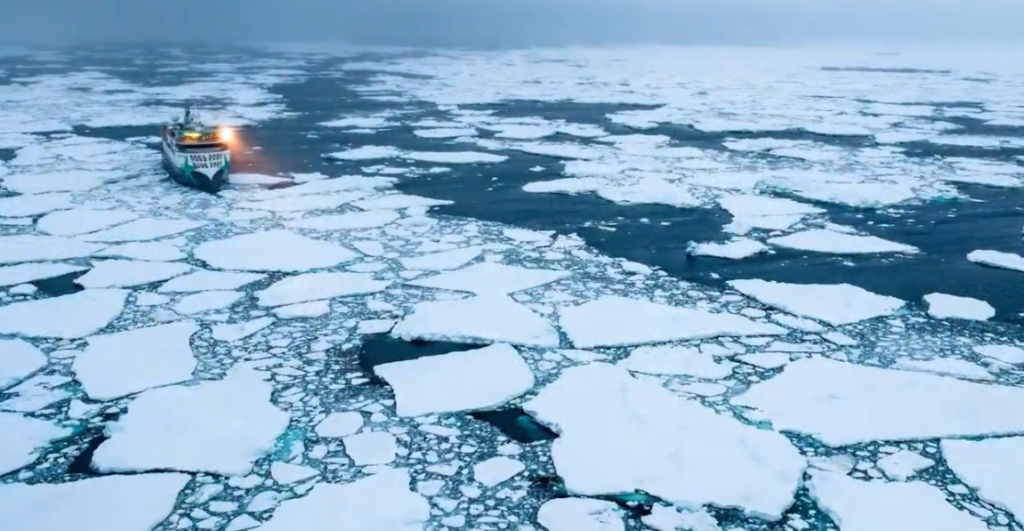
Icebergs the size of city blocks drifted silently through steel-grey seas. Pack ice thickened. The air sharpened.
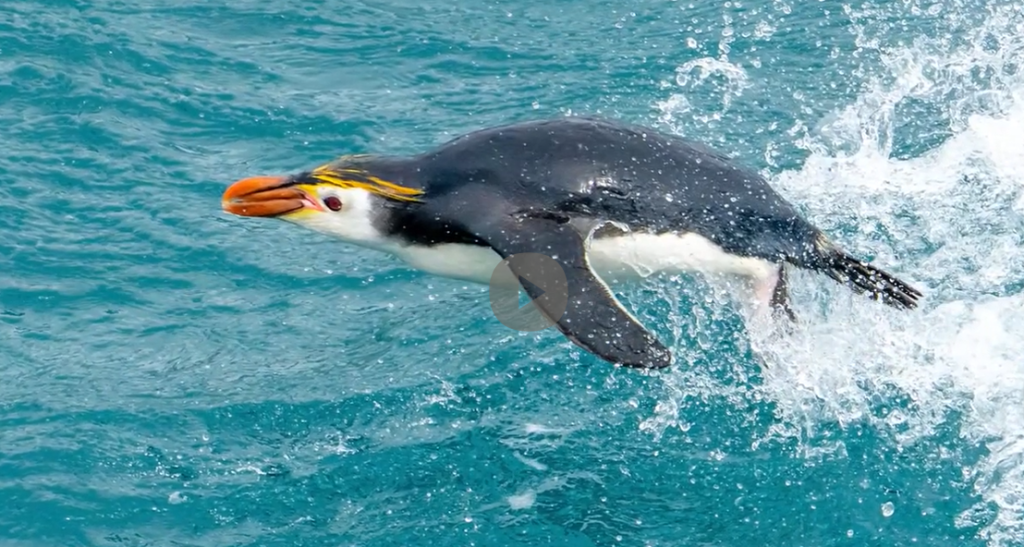
Wildlife appeared — Adélie penguins porpoising through the water, Weddell seals resting on floes, and the exciting appearance of a whale on the horizon.
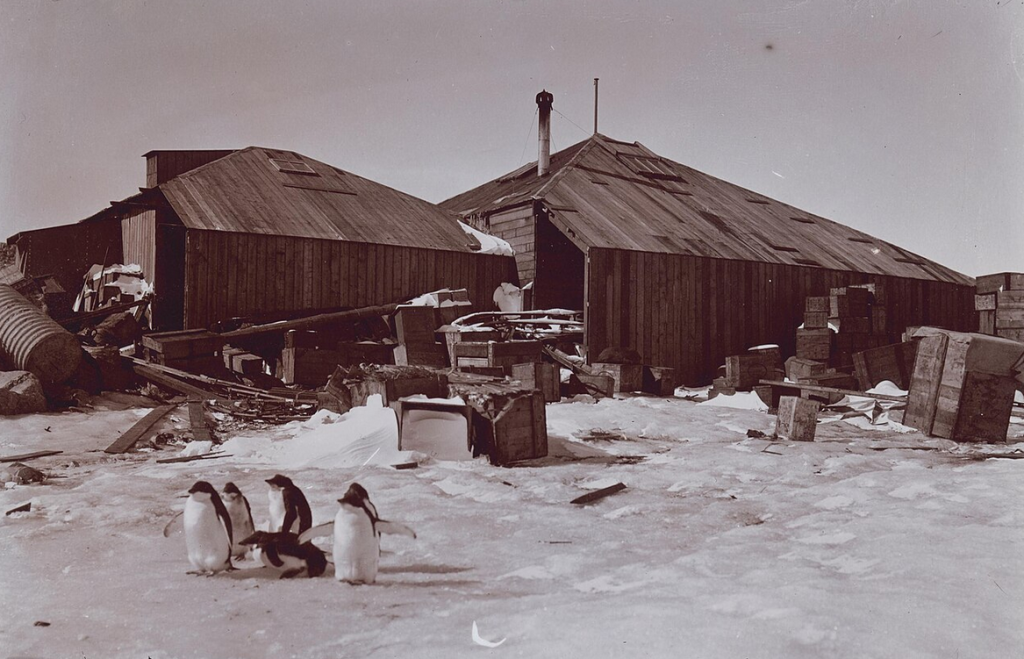
One of the voyage’s key objectives is reaching Cape Denison in Commonwealth Bay. Cape Denison is the site of Mawson’s original expedition huts and one of the windiest places on Earth.
Every expedition that stops here. weather permitting, land to view the preserved structures that remain as testimony to early Antarctic exploration.
Another milestone of the trip is crossing the Antarctic Circle — a symbolic achievement marking entry into one of the planet’s most remote latitudes. It is less about ceremony and more about perspective: realising just how far from home one has gone.
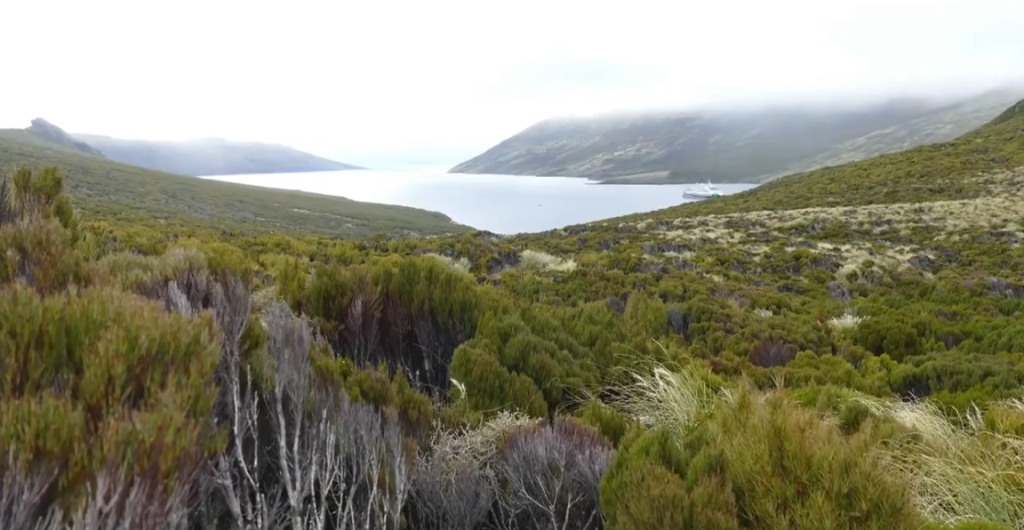
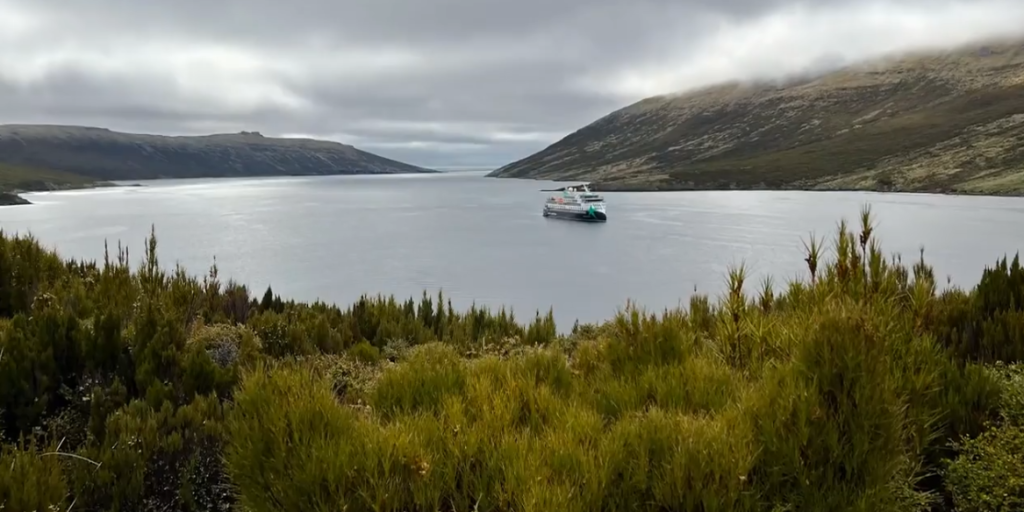
Campbell Island / Motu Ihupuku is an uninhabited subantarctic island of New Zealand.
On the return leg, the expedition passed through New Zealand’s Subantarctic Islands before concluding in Dunedin a few days after the New Year — a gradual reintroduction to green hills and human settlement after weeks of white and blue.
Through Michael’s Lens
During his trip, the photographs that Michael took spoke volumes — sweeping icescapes stretching to the horizon; close encounters with wildlife; the camaraderie of people experiencing the same wonder and awe; and the remarkable glow of Antarctic light lingering at midnight.
The expedition’s historic and exploratory nature, the flexibility required by weather and ice conditions, and the contrast between the raw Southern Ocean crossing and the stillness of Antarctic coastlines all form part of the experience.
Crossing the Antarctic Circle brings with it a quiet sense of achievement. A reminder that few people on Earth get to experience the privilege of standing in that latitude.
Five Things You Probably Didn’t Know About Antarctica
Antarctica is far more complex than a continent of snow and ice.
1. Antarctica holds around 70% of the world’s fresh water. Most of it is locked in ice sheets kilometres thick. Early explorers sometimes licked surface ice for moisture, unaware that the salt content and extreme cold could worsen dehydration.
2. It has active volcanoes. Among them is Mount Erebus, one of the few volcanoes on Earth with a persistent lava lake beneath its icy slopes.
3. There is a blood-red waterfall. At Blood Falls in the McMurdo Dry Valleys, iron-rich subglacial water emerges from beneath a glacier. When exposed to oxygen, it oxidises, turning deep red — as though the ice itself were bleeding.
4. The coldest temperature ever recorded on Earth — −98°C — was measured on the Antarctic Plateau. At those extremes, exposed skin can freeze in minutes.
5. There are lakes hidden beneath kilometres of ice. Lake Vostok lies under roughly four kilometres of ice and has been sealed off for millions of years. Scientists believe unique microbial life may have evolved there in complete darkness and immense pressure.
A Quiet Local Connection
For a complex expedition involving polar preparation, Southern Ocean crossings and remote logistics, experienced travel advisors can help ensure every detail is carefully managed behind the scenes. Michael’s booking was arranged through Travel Associates Kenmore Village, known locally as Yee & Turner Travel Associates.
For Michael, this trip was never just about another stamp in the passport.
It became a chapter — one that reflects the character of a Kenmore community leader who, after decades devoted to law, charity and Rotary service, chose to spend Christmas embracing adventure at the bottom of the world.
That choice speaks not of restlessness, but of curiosity.
Because even after a lifetime of contribution, there is still wonder to pursue — and horizons worth chasing.
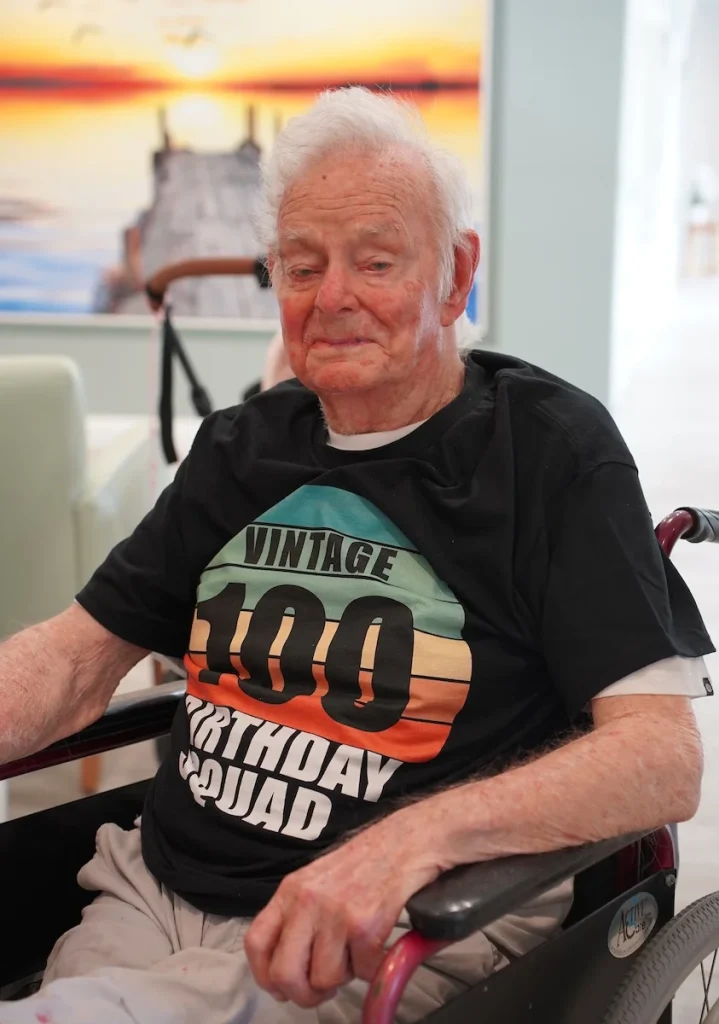
A Brisbane man who grew up in the shadow of Queensland lighthouses has marked a major milestone recently, sharing a simple piece of advice he reckons helped him reach triple figures: eat fish.
Carinity Brookfield Green resident Colin Fuller turned 100 on 4 February 2026, celebrating with family and fellow residents.
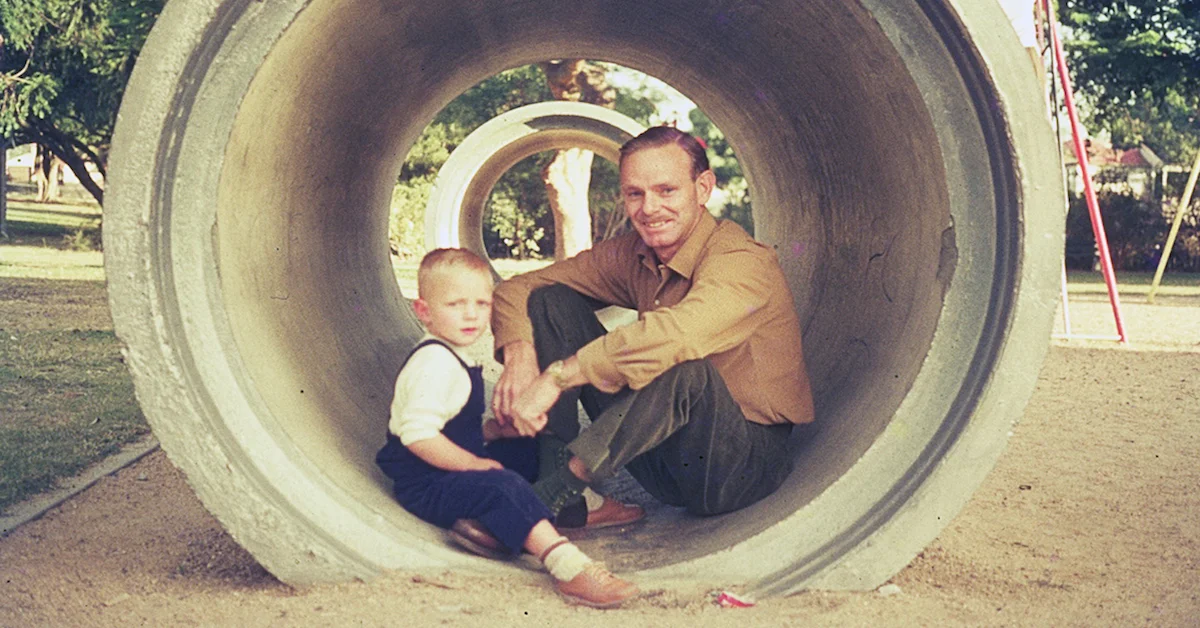
Born in Brisbane in 1926 to British parents who had migrated to Australia before World War I, Colin’s childhood coincided with the Great Depression. When his father, a carpenter, secured work as a lightkeeper with the Commonwealth Lighthouse Service, the family’s life became closely tied to the coast.
Those postings took them to a string of maritime stations along Queensland’s shoreline, including Lady Elliot Island, Double Island Point, Caloundra and North Reef lighthouses. For Colin, it meant days shaped by the sea—fresh air, routine, and plenty of time fishing, an interest that stayed with him for decades.
Colin Fuller has celebrated his 100th birthday at the Carinity Brookfield Green aged care home in Brisbane | Photo Credit: Supplied
His son, Stephen Fuller, said fish was a staple in the family’s diet back then, and Colin has long believed it made a difference to health and longevity. Stephen also noted that Colin’s older sister, Joyce, has reached 100 as well—adding a little extra weight to the family’s running theory.
After school at Kedron State High, Colin began working during World War II, joining the Royal Australian Air Force, qualifying as an aircraft engineer, and working at Oakey Air Base on fighter aircraft.
In the years that followed, he moved through civil aviation into sales and marketing, eventually holding a long-term role as Sales Manager at appliance manufacturer Westinghouse.
Colin married his wife, Lex, in 1955 and the pair built their family home at The Gap, raising two children, Stephen and Angela. When he retired in 1986, Colin and Lex leaned into the things they loved most—travel, family time, gardening and (still) fishing.
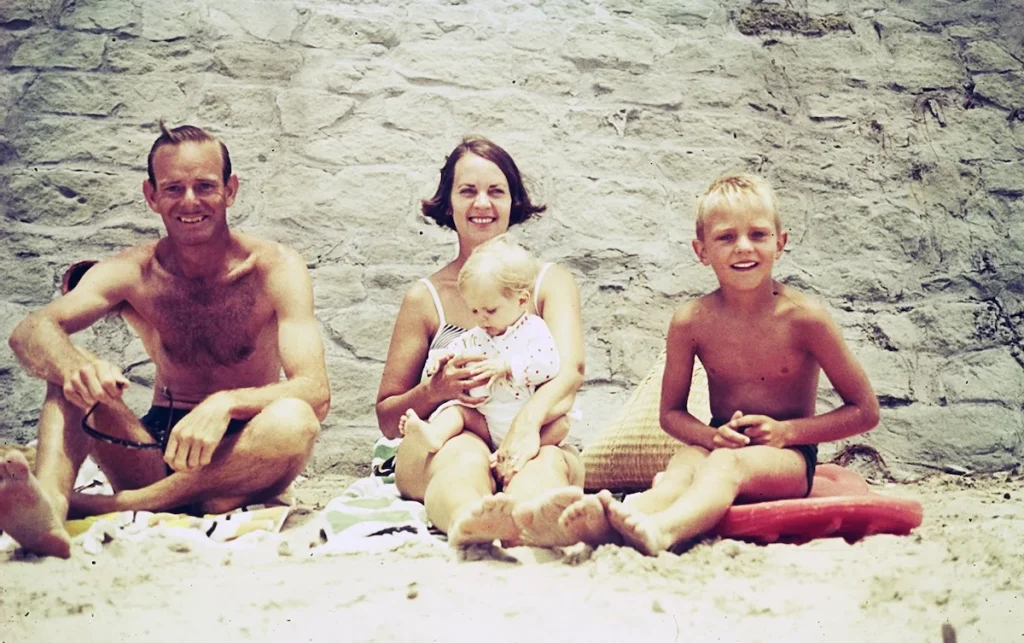
The Fuller family – Colin, his wife Lex, daughter Angela and son Stephen – pictured around 1965 Photo Credit: Supplied
“He is a keen fisherman and regularly camped on Fraser Island. He made his last visit there when he was 90,” Stephen said. At home, Colin and Lex were also known for their bright garden displays—particularly azaleas and petunias—turning their street into a small seasonal landmark.
Now a great-grandfather to four little ones—two boys and two girls, ranging from seven weeks to two years—Colin’s centenary was marked with both family pride and plenty of reflection. His Brookfield Green celebration also included an induction into Carinity’s “100 Club” for centenarians.
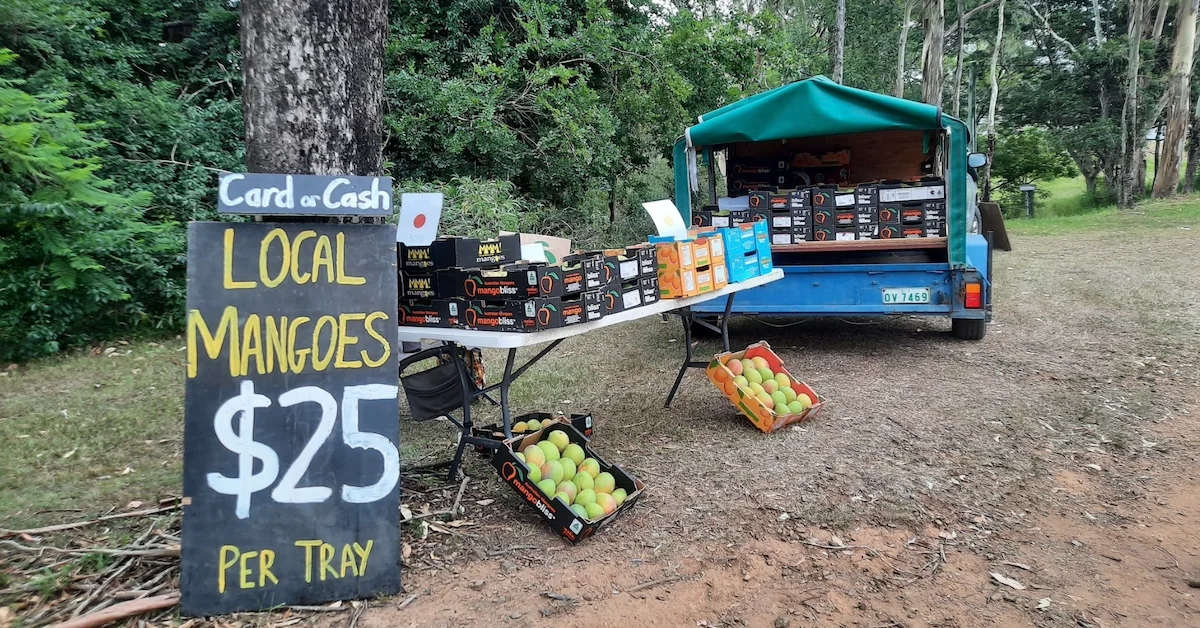
Roadside trays of fresh mangoes have become a familiar sight for drivers along Brookfield Road, but behind the seasonal fruit stall lies a story stretching back nearly a century. As one Upper Brookfield family prepares to celebrate 100 years on their land, they are reflecting on their legacy while navigating the modern challenges facing small local farms.
The Mohr Mountain Farm has been part of the Upper Brookfield landscape for generations. First established in the mid-1920s, the property has remained in family hands ever since, evolving alongside changes in farming, the local community and consumer demand.
Now, as preparations begin for a centenary celebration with extended family members, the farm represents both a proud history and a hopeful future.
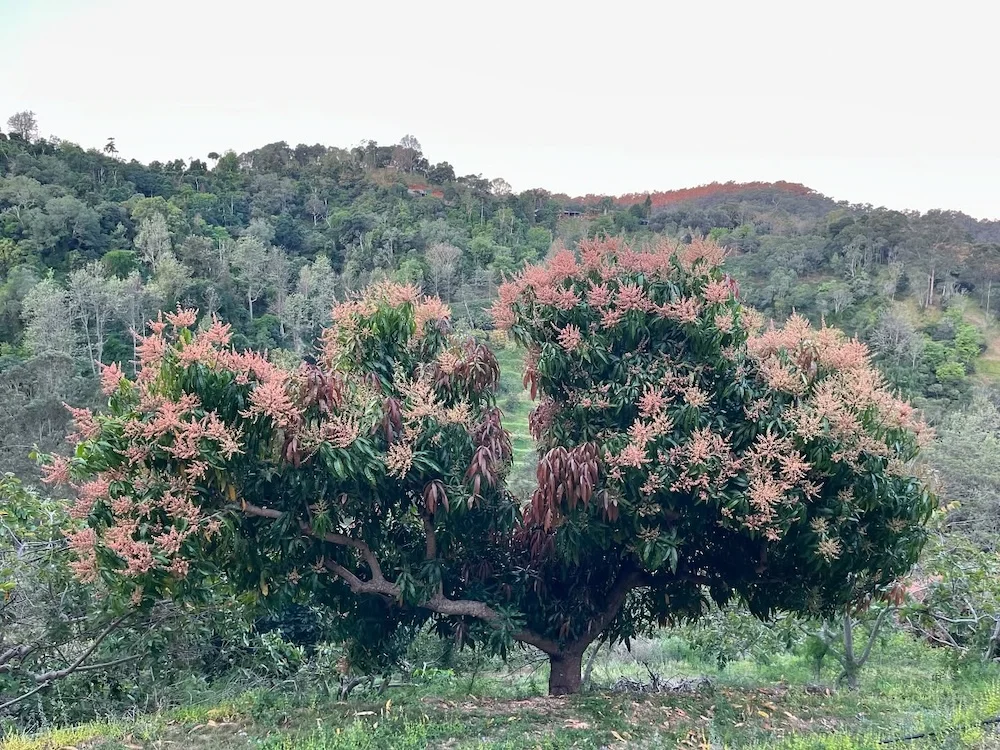
A mango tree in full bloom Photo Credit: Mohr Mango Farm/Facebook
A legacy shaped by the land
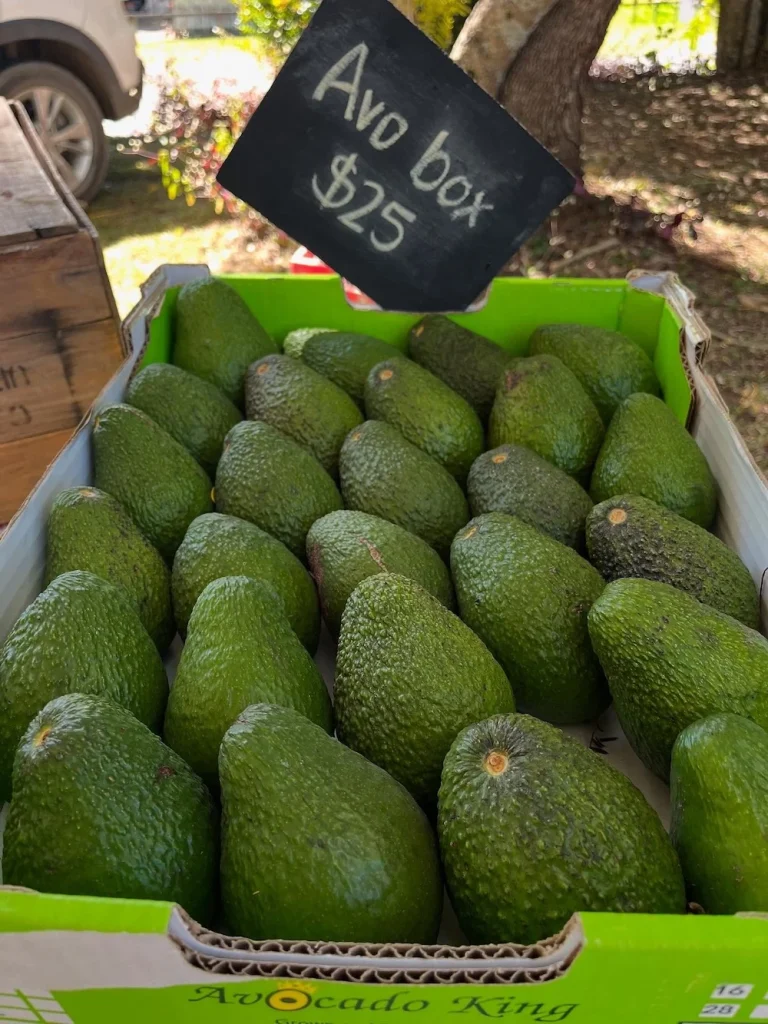
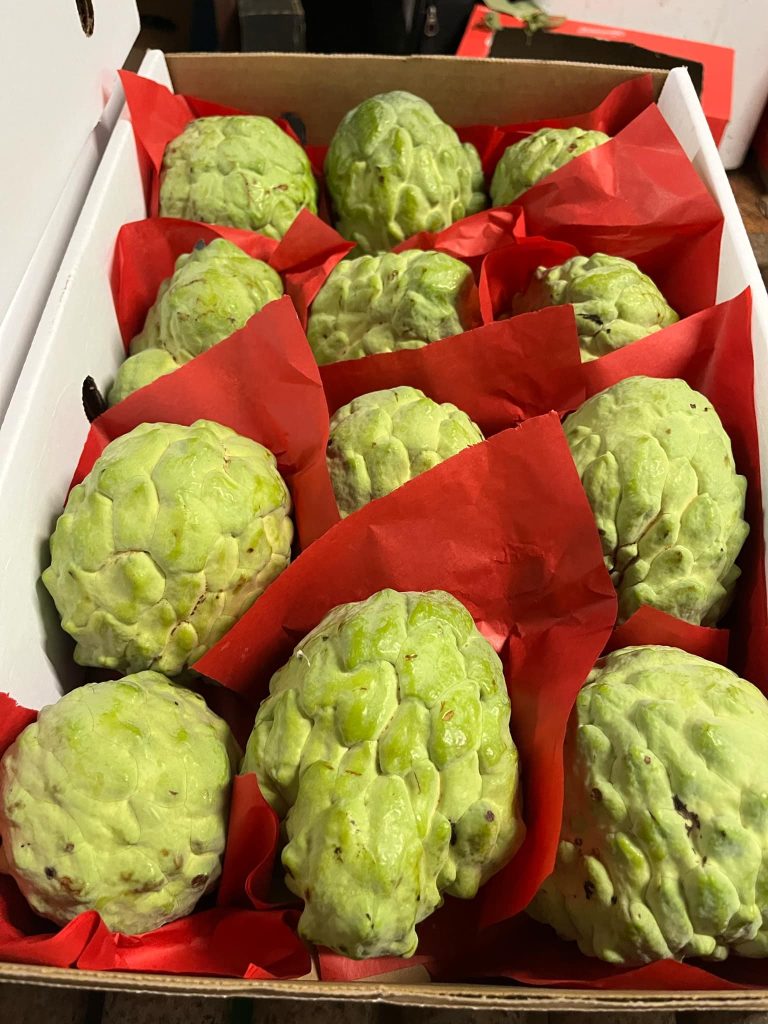
Over the decades, the farm has adapted to changing conditions and markets. Earlier generations grew a range of produce, reflecting the farming trends and economic pressures of their time. Today, the focus has shifted to mangoes, custard apples and several varieties of avocados.
The farm continues to operate as a family enterprise. While Jenny Mohr and her husband remain actively involved in daily operations, the next generation has assumed primary responsibility for running the business.
Their son, alongside his wife, is leading the farm into its next chapter while balancing the realities of modern work and family life, with him operating a plumbing business and his wife working as a physiotherapist alongside managing the farm. Balancing farming with other careers is now a reality for many rural families. Together, they are raising three young children, adding another layer of complexity to maintaining the family enterprise.
“So now, it’s the fourth generation. Our son is running it with his wife. And my husband and I are helping,” Jenny told Brisbane Suburbs News Online.
Despite stepping back from full-time management, Jenny and her husband remain deeply connected to the land, helping with harvesting, packing and farm operations. Their ongoing involvement reflects the strong generational ties that have defined the farm for nearly 100 years.
Adapting to modern farming
Like many small-scale farms, the Mohr family has diversified its customer reach. While wholesale markets remain important, direct sales have become a significant part of the business.
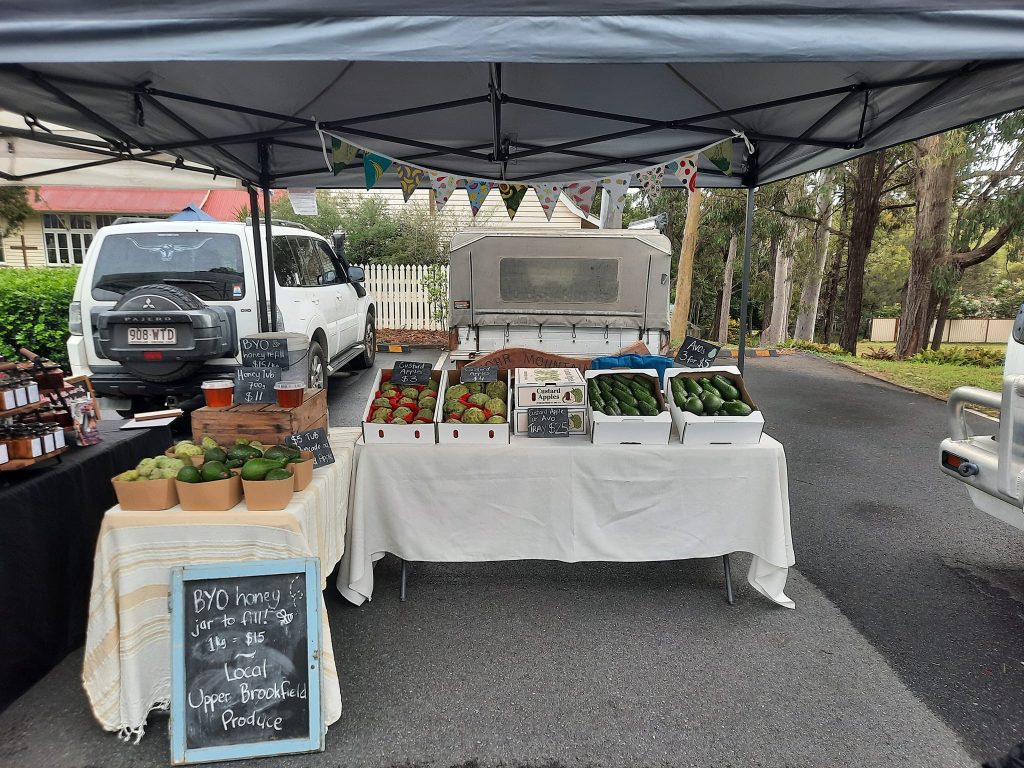
Mango trays are sold roadside during the season, offering locals fresh produce straight from the orchard. The farm also sells fruit through local country markets, including the Brookfield Country Market, which features locally grown produce and handmade goods from regional vendors. Social media has also become a valuable tool, allowing the family to communicate with customers about harvest times and availability.
Photo Credit: Mohr Mango Farm/Facebook
Modernisation is also occurring behind the scenes. Plans are underway to build a new packing shed to replace an ageing facility from the 1980s. The updated infrastructure aims to improve efficiency and ensure the farm can continue operating sustainably as the next generation takes over.
New challenges for long-standing farms
While the farm’s history reflects resilience and adaptability, new environmental and operational challenges continue to emerge.
One recent issue has been the discovery of fire ant nests on the property. The invasive species, which has spread across parts of South East Queensland, has added pressure on landholders managing large rural properties.
According to the family, fire ants were first identified on their land in 2024, particularly in bushland areas at the rear of the property.
“We had fire ant nests… and there were nearly 200.”
The treatment process involved multiple visits from authorities and ongoing monitoring over an extended period. While the family welcomed efforts to control the infestation, they described the process as lengthy and sometimes inconsistent, with different teams attending the property over time.
“There were big gaps between when they came and every time they came out, it would be someone different.”
As the conversation turned to fire ants and treatment programs, a neighbour offered a printed handout arguing that insect populations are under pressure and urging caution about pesticide use. While the sheet was a general commentary rather than a farm-specific report, it captured a sentiment heard across the district: that managing invasive pests is becoming entangled with wider community anxiety about chemicals, ecosystems, and water quality.
The issue highlights how invasive species and biosecurity threats are becoming a growing concern for farmers across the region. For long-established family farms, managing these risks adds to the already demanding nature of agricultural work.
Community connections remain strong
Despite the challenges, the Mohr family continues to enjoy strong ties with the Upper Brookfield community. Roadside mango sales often bring returning customers each season, many of whom have supported the farm for years.
Local markets also provide an opportunity to connect with residents and visitors seeking fresh, locally grown produce. These interactions reinforce the importance of maintaining small farms within the region.
The farm’s produce has even been used by local craft producers, further strengthening its connection to the local economy and food culture.
Photo Credit: Mohr Mango Farm/Facebook
Thriving into the next century
The next generation’s involvement, combined with planned infrastructure improvements, signals a determination to keep the farm operating despite the challenges facing small agricultural businesses.
For the Mohr family, the land represents more than a workplace. It is a place shaped by family history, community relationships, and a deep connection to the natural environment. They hope their story reflects not only endurance, but also the evolving role of local farms in a rapidly changing world.
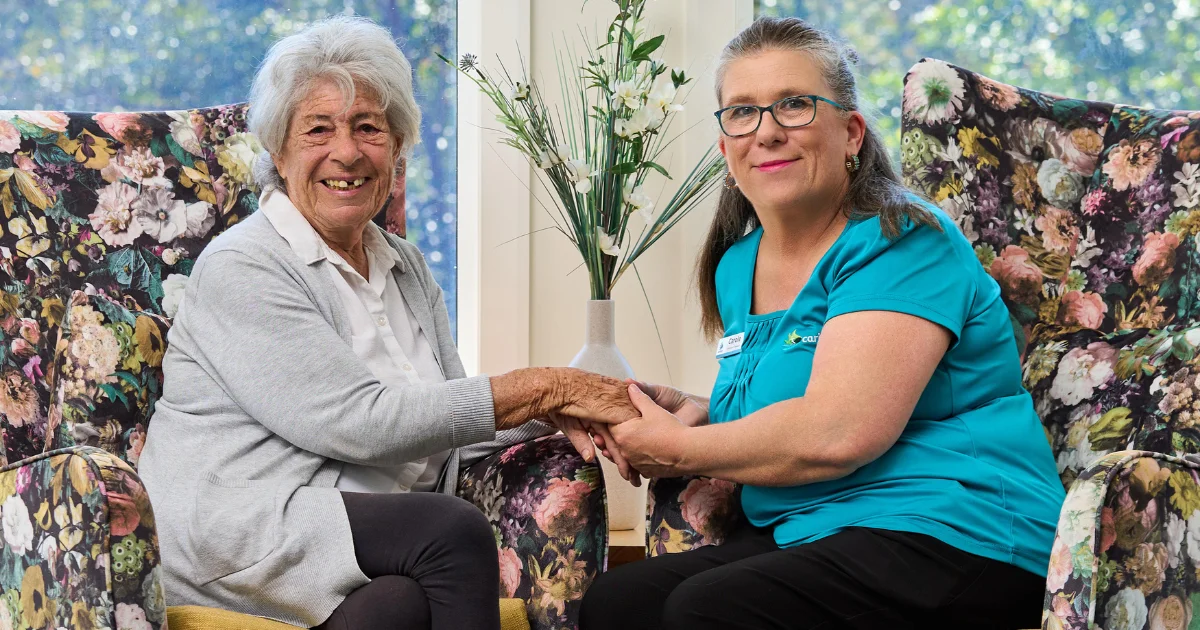
For Carole Pallier, bringing joy is central to her role at Carinity Brookfield Green aged care. As a Diversional Therapist, Carole focuses on supporting residents to maintain quality of life through social connection, creativity and shared experiences.
“My job is to make this part of our residents’ lives enjoyable,” Carole said.
Maintaining hobbies, friendships and interests plays a key role in holistic wellbeing. For many seniors, moving into an aged care home can provide opportunities to re-engage with past interests and build new social connections.
At Carinity Brookfield Green, Carole works alongside Activities Officer Terry Hook to coordinate between five and seven activities or events for residents each weekday. The program provides residents with regular opportunities to engage socially and take part in shared experiences within the home.
Carinity Brookfield Green aged care resident Kay gets into the rhythm of a music concert with a tambourine (Photo supplied)
Concerts, music sessions and arts activities feature prominently on the activities calendar. Sports-based activities are also popular and encourage movement and participation among residents. Together, these activities support residents to build new friendships and social connections.
Carole recognises that not all residents enjoy group activities and ensures time is set aside for individual engagement.
“We have people who do not like group activities, so we set time aside to make sure they get one-on-one attention,” she said. “This could be painting with just one person, a walk in the garden, reading them a book, inviting them to tell their life story, or playing board games.”
This approach is also used for residents living with dementia, with activities tailored to individual needs. Music and singing sessions, time spent outdoors in the garden, and gentle hand massages are among the ways residents are supported.
Carole Pallier enjoys sharing her love of photography with Carinity Brookfield Green aged care residents (Photo supplied)
“We also do hand massages and nails, as the touch and physical connection is important,” Carole said.
With a background in art, Carole has introduced creative activities at Brookfield Green, including a painting club she refers to as “à la carte art”. During these sessions, she hand-paints gift cards for residents while they sit together and chat. The focus is on conversation as much as creativity.
Carole also takes residents on fortnightly bus trips to visit a local art café, providing them with an opportunity to enjoy an outing and engage with the local community.
Moments where residents reconnect with past interests are particularly meaningful for Carole. One such experience involved a resident who had chosen not to leave her room for a long time.
“One day, we managed to encourage her out of her room and took her to a room with a piano,” Carole said.
“You can imagine the tears all round when this lady asked to be wheeled up to the piano and she played her concert music, which she hadn’t done for years.”
Carole said moments like these make the work worthwhile and reflect the value of activities that focus on connection, creativity and enjoyment for residents.