


Beekeepers across Brisbane’s western suburbs are confronting a surge in varroa mite infestations, with ongoing monitoring recording notable pest loads in hives throughout Kenmore and Brookfield.
The local outbreak comes as treatment-resistant Varroa destructor populations inflict severe colony losses across South East Queensland, creating an uphill battle for both backyard hobbyists and commercial apiarists.


Kenmore and Brookfield Checks Reveal Rising Numbers
Public monitoring updates published by commercial apiarist Rick McFarlane, operator of The Backyard Beekeeper, detail a troubling trajectory. Initial checks across three Kenmore hives recorded an average count of 10 mites per colony, with subsequent inspections showing counts escalating past 20.
In neighbouring Brookfield, initial assessments revealed alarming loads exceeding 70 mites per hive, though targeted formic acid applications temporarily reduced those figures below 10. Subsequent surveillance confirmed similarly high infestations across nearby Samford and Keperra, confirming that the pest is firmly established across the entire north-western suburban corridor.

Chemical Resistance Hampers Regional Control Efforts
The western suburbs figures carry added urgency because local mite populations increasingly withstand standard chemical controls. State biosecurity authorities have confirmed that local mites exhibit resistance to synthetic pyrethroid products such as Bayvarol and Apistan, alongside amitraz-based treatments including Apivar and Apitraz.
Peak industry body the Australian Honey Bee Industry Council has warned that laboratory-confirmed resistance has spread broadly across southern Queensland and northern New South Wales.
Official tracking maps highlight verified laboratory results, meaning unconfirmed resistance may cover an even broader area. Consequently, application of standard chemical treatments no longer guarantees control, prompting state authorities to urge beekeepers to abandon single-chemical reliance in favour of integrated pest management strategies.
Hidden Hive Damage and Secondary Pest Risks
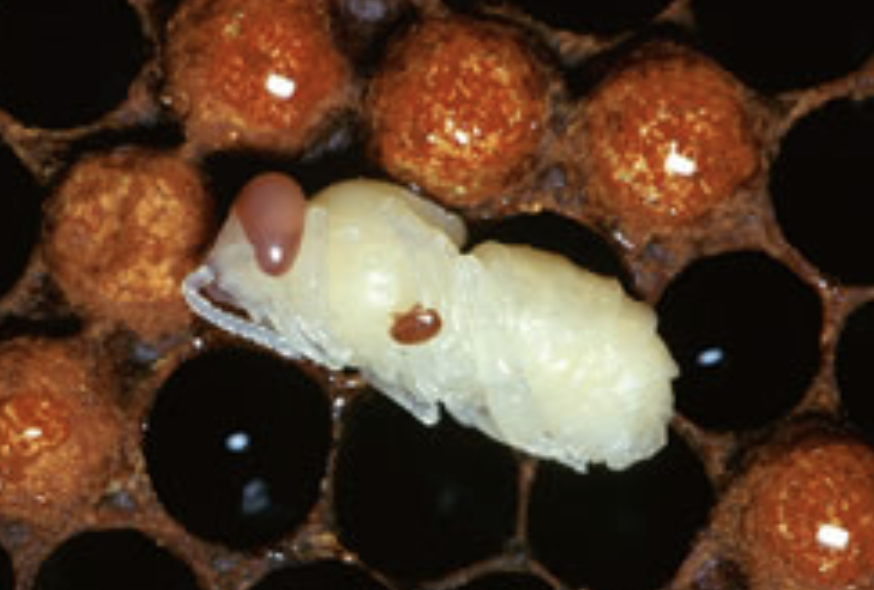
Because varroa mites reproduce inside sealed honey bee brood cells, thousands of parasites can destabilise a colony without altering entrance activity. The mites weaken developing bees and transmit debilitating viruses, allowing hives that appear healthy on the outside to collapse rapidly from within.


McFarlane noted that entire regional apiaries failed before chemical resistance was officially identified, describing the broader agricultural impact across South East Queensland as devastating. As managed bee populations decline, weakened colonies also become easy targets for secondary invaders such as the small hive beetle, which destroys brood, comb, and stored honey.
Regulatory Duties and Mounting Operational Costs
Under Queensland biosecurity frameworks, the varroa mite is managed as a category two restricted matter. State laws require all hive owners to report confirmed or suspected detections to authorities while taking active steps to contain the parasite. This changing dynamic forces local beekeepers to spend significantly more time and capital on frequent alcohol washes, sticky board counts, and alternative chemical therapies.
McFarlane reported that managing the pest now adds between $1,500 and $3,000 to monthly operating costs across an enterprise of roughly 150 hives.
While local monitoring figures do not indicate that every suburban hive is heavily infested, they demonstrate that varroa is no longer a distant threat to Brisbane’s suburban apiaries. For local keepers, the primary challenge has shifted from preparing for the parasite’s arrival to actively managing established infestations and verifying that chosen treatments remain effective.
Published 12-Aug-2026