



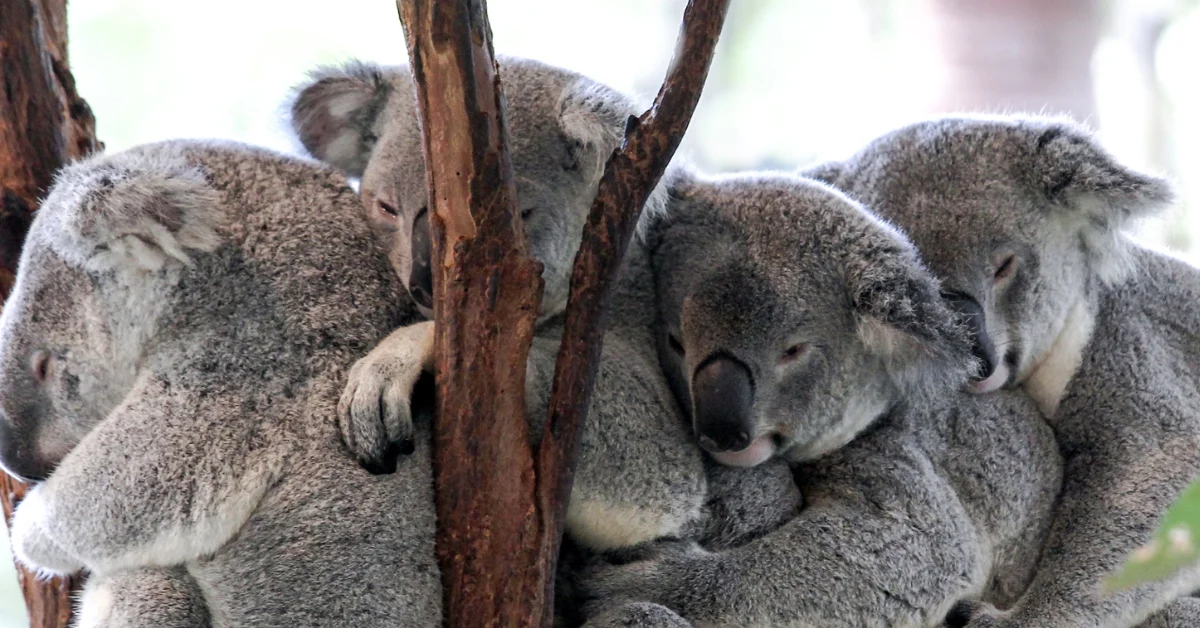
At Lone Pine Koala Sanctuary in Fig Tree Pocket, a new sensory garden has been created as a quieter place for visitors to pause, take in the natural surrounds and move through the sanctuary at a gentler pace.
A Calmer Corner At Lone Pine Koala Sanctuary
Lone Pine Koala Sanctuary has added a new sensory garden to its grounds, creating a purpose-built space for visitors who may need a quieter and more accessible place during their visit.


The garden has been designed around touch, scent, sound and rest. Visitors can move through the space using different senses, with plants to touch and smell, wind chimes, water features and a mix of textures adding to the experience.
Located near the lorikeet feeding area and café, the garden also works as a midway rest point for people exploring the sanctuary. The space is wheelchair-accessible and is being used by families, older visitors and people with neurodiversities, including autism.

Rather than serving only as a stop along the path, the garden gives visitors another way to experience the sanctuary. It provides a calmer setting for those who may feel overwhelmed in busier areas, while also offering a quiet place for anyone who wants to sit, rest and reconnect with nature.
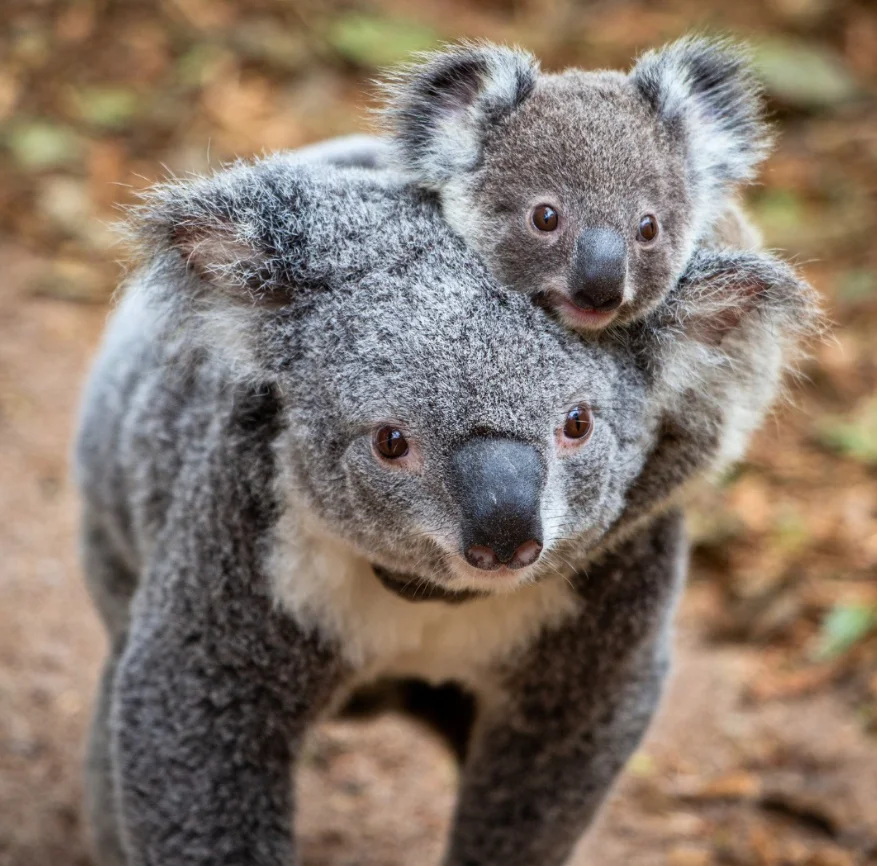
Fig Tree Pocket Space Designed For Inclusive Visits
The sensory garden reflects Lone Pine Koala Sanctuary’s focus on making the visitor experience more inclusive for people with different needs and comfort levels.
Some frontline staff at the sanctuary have completed Hidden Disabilities Sunflower training, which helps them better understand non-visible disabilities and support visitors who may need assistance.
The addition of the garden places accessibility within the visitor journey itself. Its location near key areas of the sanctuary means it can be used naturally by guests moving through the grounds, without taking them away from the broader experience.



For the Kenmore and Fig Tree Pocket area, the new space adds another feature to one of Brisbane’s long-running wildlife attractions. Lone Pine opened in 1927 and began with two koalas, Jack and Jill, during a period when wild koalas were being culled for the fur trade.
The sanctuary has since grown to care for more than 100 koalas and more than 70 native Australian species. It describes itself as the world’s oldest and largest koala sanctuary and is recognised for wildlife care, conservation and education.
Garden Connects Visitor Comfort With Wildlife Care
The sensory garden has also been built with wildlife in mind. Bee hotels and microbat nesting boxes have been included in the space, creating habitat features alongside the visitor areas.
The garden also supports Lone Pine’s work with the Richmond Birdwing butterfly. A gazebo is being used as a trellis for new butterfly vine plantings, which will extend the sanctuary’s existing pollinator corridor.
The vine plantings will contribute to seed collection and propagation work, with further plans already underway to plant more vines throughout the garden.
The result is a space that links visitor comfort with the sanctuary’s wider nature-based work. It gives people a quieter way to experience Lone Pine while also adding to the habitat and conservation features within the grounds.
The garden offers a place to slow down for visitors. For Lone Pine Koala Sanctuary, it adds another layer to a long-running visitor experience built around native wildlife, nature and education.
Published 2-June-2026