




Lone Pine Koala Sanctuary has earned a Highly Commended award in the Major Tourist Attractions category at the 40th Queensland Tourism Awards. The accolade acknowledges the Fig Tree Pocket sanctuary’s ongoing importance in Brisbane’s tourism landscape.
Read: Lone Pine Koala Sanctuary: A Nocturnal Adventure
The 40th Queensland Tourism Awards
The 40th Queensland Tourism Awards drew more than 900 industry representatives to celebrate outstanding tourism businesses across the state. According to the Queensland Tourism Industry Council, the awards process includes mentoring, capability‑building and detailed assessments for all entrants. From those, Lone Pine was named Highly Commended in the Major Tourist Attractions category.


In the same category, GC Aqua Park (Gold Coast) won Gold, Currumbin Wildlife Sanctuary (Gold Coast) won Silver, and SkyPoint (Gold Coast) won Bronze. The Major Tourist Attractions category was sponsored by Queensland Airports Limited.
About the Lone Pine Koala Sanctuary
Lone Pine Koala Sanctuary is located on 18 hectares in the Brisbane suburb of Fig Tree Pocket. It was founded in 1927, making it the oldest and largest koala sanctuary of its type in the world, and it houses approximately 80 species of Australian wildlife.


The sanctuary’s name comes from a large hoop pine that still stands at the ticket entrance. That tree was planted in 1867 by Daniel Clarkson, before the site became a wildlife sanctuary — at the time, it was a cotton farm. It is said that early visitors travelling by boat along the Brisbane River used the tree as a mooring point, which may be how the name “Lone Pine” was chosen.
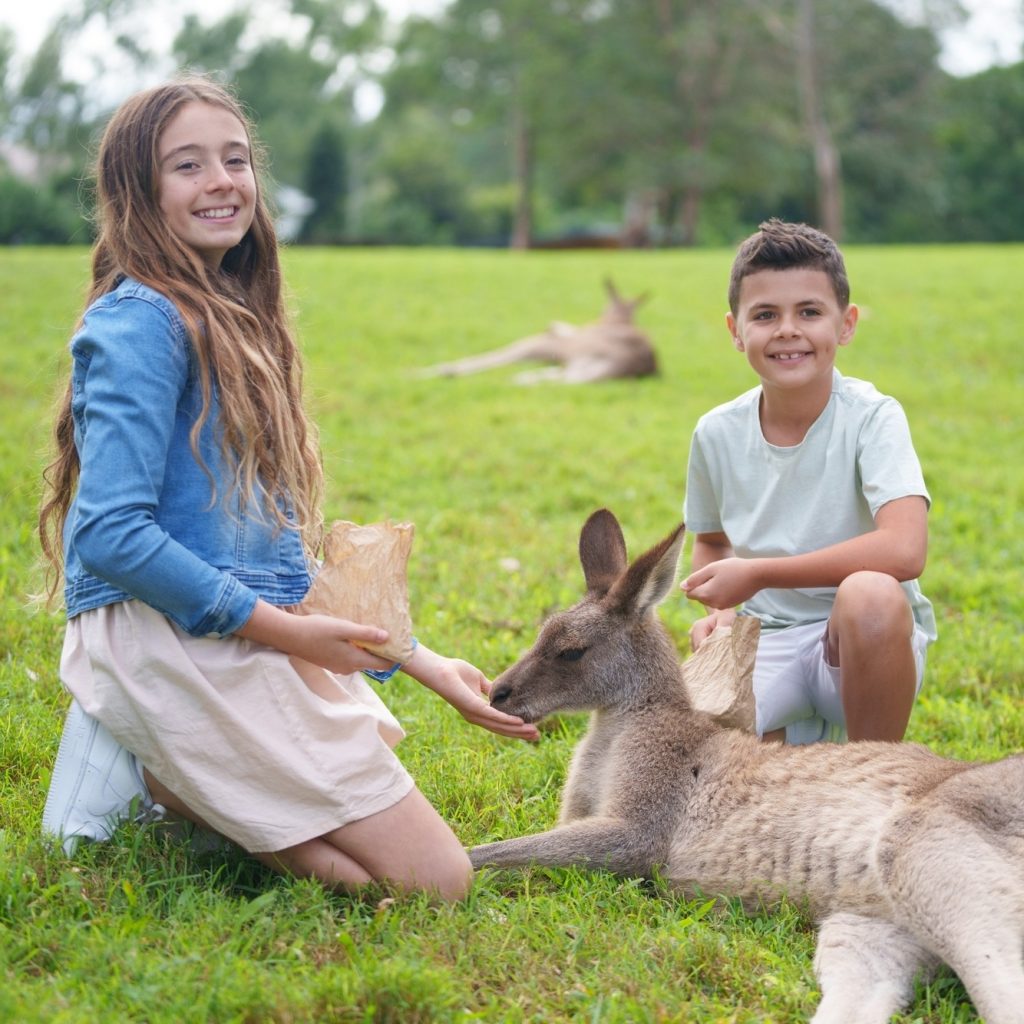
Lone Pine was opened by Claude Reid. Over the decades, it has grown into a centre for wildlife conservation and education. The sanctuary hosts a variety of native animals and maintains a focus on caring for sick, injured or orphaned wildlife.



Read: Look: Tommy Lee and Wife Brittany Furlan Visit Lone Pine Koala Sanctuary
Because of its age, size, and dedication to native species, Lone Pine is recognised both locally and more broadly as a significant wildlife attraction.
Published 20-November-2025